




Understanding Perms: Types and Techniques
Perms, short for permanent waves, offer a range of options for individuals looking to enhance their hair with curls or waves that last for several months. Various techniques can be utilized depending on the desired outcome, resulting in a spectrum of textures and styles. Among the most common types of perms are the classic perm, digital perm, and body wave.
The classic perm is the traditional method widely recognized since the 1980s. This technique employs the use of rods to curl the hair, which is then treated with a chemical solution to set the curls permanently. The size of the rods used can significantly influence the tightness or looseness of the curls, catering to different preferences. Clients often opt for classic perms for a bouncy and voluminous look, which can be adjusted according to individual hair types.
In contrast, the digital perm utilizes heat and advanced technology to create soft, natural waves. This process involves using heated rods combined with a specially formulated solution. The integration of heat allows for a more controlled curl formation, making it suitable for those seeking a relaxed, beachy wave. The digital method is particularly favored in Asian countries and is gaining popularity worldwide due to its low-maintenance results.
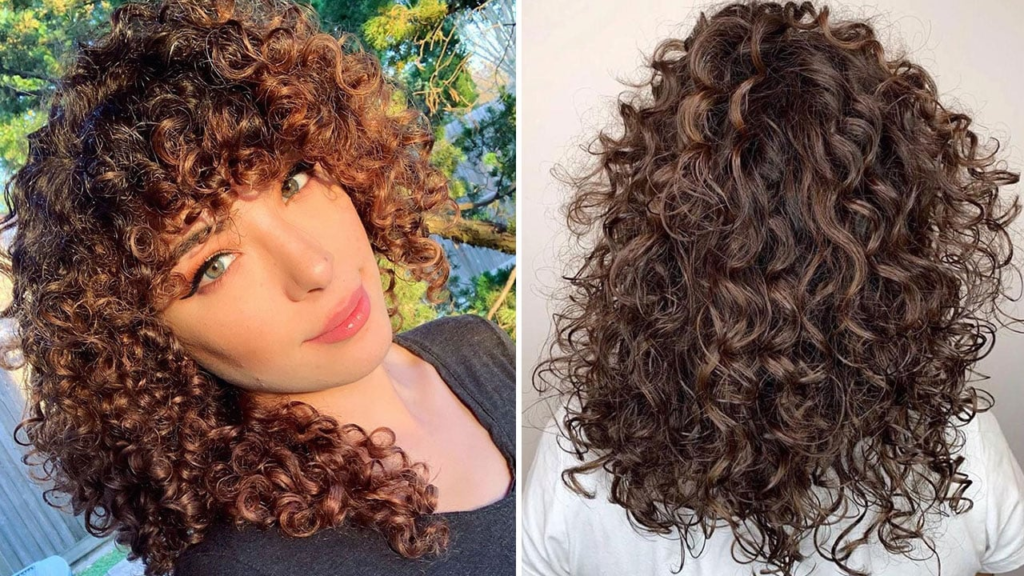
Body wave perms, on the other hand, focus on adding volume and texture rather than creating tight curls. This type is often employed to give hair a fuller appearance while maintaining a loose wave pattern. The technique involves larger rods and a gentler chemical formula, allowing the hair to have a more casual, less structured look. Regardless of the method chosen, each perm technique offers unique results based on individual hair type and styling preferences, ensuring versatility and creativity when transforming hair.
The Perm Process: Step-by-Step Guide
The process of obtaining a perm begins with an initial consultation between the stylist and the client. During this discussion, the stylist evaluates the client’s hair type, condition, and desired outcome. It is crucial for the stylist to understand the client’s expectations to tailor the perm accordingly. Clients should openly communicate their preferences, including the size of the curls they wish to achieve, which significantly influences the wrapping method.
Once the consultation is complete, the next step involves hair preparation. This includes a thorough washing to remove products and excess oils, followed by towel drying the hair. It is imperative that the hair is in good condition for processing; hence, any necessary treatments may be conducted to ensure the strands are strong enough to handle chemical application.
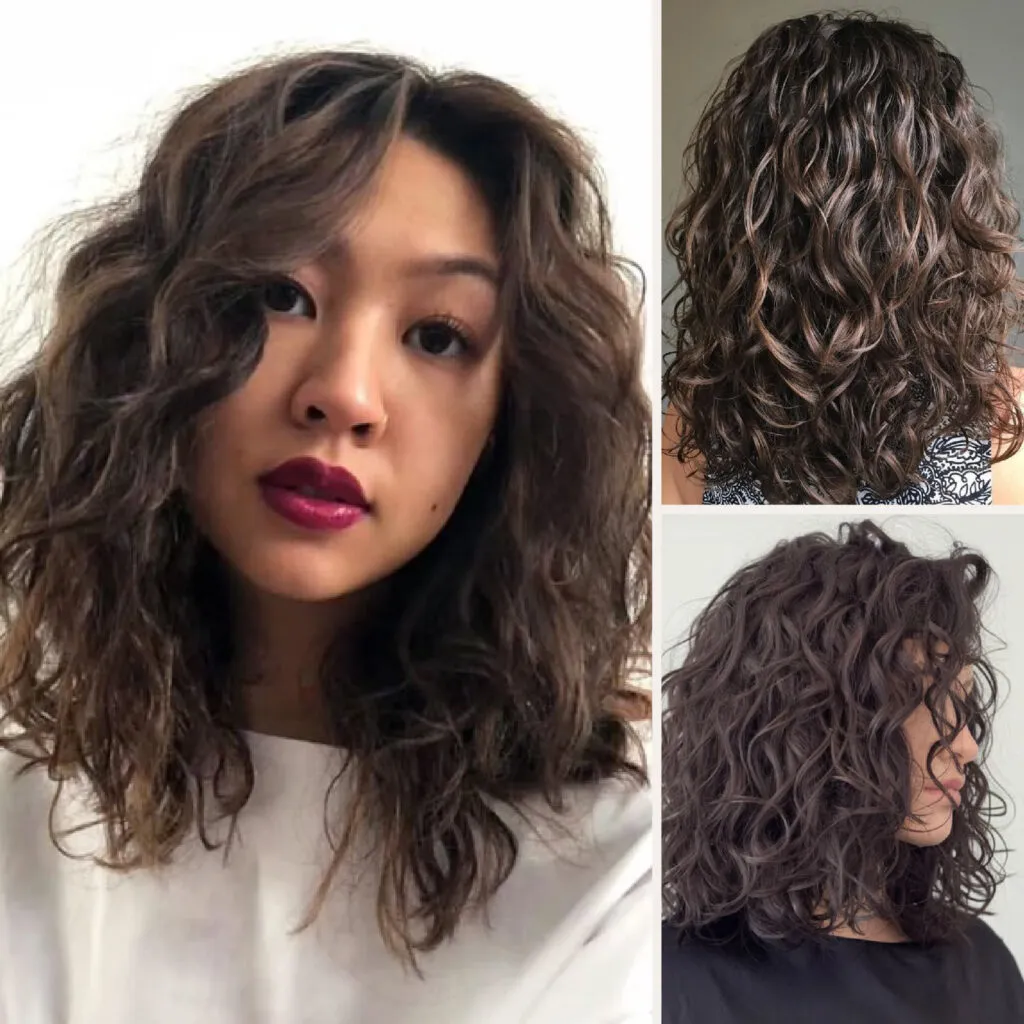
The wrapping process is where the perm truly begins to take shape. The stylist divides the hair into sections, typically using small clips to secure each part. Perm rods or rollers are then chosen based on the desired curl size, and each section of hair is carefully wrapped around these tools. The manner in which the hair is wrapped can influence the final outcome of the perm, so precision in this step is paramount.
Following the wrapping, a perm solution is applied to the rods. This solution works to break the hair’s internal bonds, allowing it to take on the new shape created by the curling rods. After sufficient processing time, indicated by the manufacturer’s instructions, the next step involves neutralizing the hair. This step helps to reform the hair’s bonds into the new curl pattern.
Finally, the stylist rinses the hair, removes the rods, and applies a neutralizing solution to stabilize the curls. After rinsing thoroughly and applying suitable styling products, the hair can be styled as desired. It is essential to provide clients with post-perm care instructions to maintain the integrity of the curls and ensure the longevity of their perm.
Caring for Your Perm: Maintenance and Styling Tips
To ensure the longevity and vibrancy of your perm, proper care and maintenance are crucial. After undergoing a perm treatment, your hair will be more delicate and prone to dryness. Thus, it is essential to utilize sulfate-free shampoos and conditioners specifically formulated for curly or wavy hair. These products help maintain the integrity of the hair without stripping it of the natural oils required for healthy curls.
Incorporating leave-in conditioners and styling creams into your routine can also be beneficial. Look for products rich in moisturizing agents, as they assist in defining curls while preventing frizz. Additionally, using a wide-toothed comb or your fingertips to gently detangle wet hair can help preserve the curl structure, minimizing breakage and damage.
When it comes to styling your permed hair, embrace the natural texture created by the perm. You can enhance your curls with a diffuser attachment on your blow dryer, which distributes heat evenly without disturbing the curl pattern. If you prefer a more polished look, consider using a curling iron with a larger barrel to add definition and volume to specific sections. Using hairspray designed for curls will help to hold your style in place without making it stiff.
It is also advisable to avoid heat styling tools whenever possible, as excessive heat can lead to dryness and damage. For casual days, a simple ponytail or loose bun can display your curls beautifully while keeping your hair protected. Moreover, regular trims every six to eight weeks will help to eliminate split ends and maintain the overall health of your pe rm.
Remember, the key to maintaining your pe rm lies in gentle handling and selecting the right products. With thoughtful care, your pe rm can look vibrant and bouncy for an extended period, allowing for various styling options while showcasing your beautiful curls.
Common Myths and Misconceptions about Perms
The notion of pe rming has been surrounded by various myths, many of which stem from outdated perceptions of the process. One prevalent misconception is that a pe rm irreparably damages hair. While it is true that the pe rming process involves chemicals that alter the hair’s structure, modern advancements in pe rm technology have considerably improved outcomes. Contemporary per m solutions are often designed to be gentler on the hair, incorporating conditioning agents that help maintain moisture and shine. This has shifted the narrative, showing that, with proper care and technique, a pe rm can enhance the health of the hair.
Another common myth is that pe rms are only suitable for specific hair types, primarily for those with straight hair. This belief ignores the versatility of modern pe rming methods that can be tailored to suit a wide range of hair textures and styles. Whether one has wavy, curly, or straight hair, there are various pe rm solutions available that can create soft waves or bouncy curls, making this styling technique accessible to a broader audience.
Additionally, some individuals believe that pe rms require high maintenance and frequent salon visits. In reality, the maintenance of a pe rm can vary depending on hair type and desired style. Many modern pe rms can last for several months with appropriate care, and there are numerous resources available to educate individuals on how to manage their pe rms efficiently. Simple steps such as using sulfate-free shampoos and regular conditioning can extend the life of the pe rm while maintaining hair health.

