



Understanding Engine Coolant Over Temperature
Engine coolant over temperature refers to a situation in which the engine coolant reaches excessively high temperatures, leading to a risk of overheating. Engine coolant plays a critical role in the cooling system of internal combustion engines, as it helps to transfer heat away from the engine components and maintain optimal operating conditions. A properly functioning cooling system is crucial for preventing engine damage and ensuring longevity.
Coolant circulates through the engine, absorbing heat produced during combustion and transferring it to the radiator, where it dissipates into the air. Regular maintenance of the cooling system, including checking coolant levels and condition, is essential to avoid overheating. When the engine coolant overheats, it can result in a host of problems, most notably reduced engine performance. Symptoms may include decreased power, increased fuel consumption, and poor acceleration.
Moreover, prolonged exposure to high temperatures can cause significant damage to engine components. For instance, engine gaskets can warp or fail, leading to coolant leaks, while engine bearings may experience accelerated wear. Severe cases of engine coolant over temperature can even result in catastrophic engine failure, necessitating costly repairs or complete engine replacement.
Understanding the implications of engine coolant over temperature is vital for vehicle owners. Awareness of potential symptoms and causes can help in the early detection of issues, allowing for preventative measures to be taken. By maintaining optimal cooling system function, vehicle longevity can be significantly extended, ensuring reliable performance under varying driving conditions.
Common Causes of Engine Coolant Over Temperature
Engine coolant over temperature is a condition that can arise from several underlying factors, each contributing to a vehicle’s overheating issues. Understanding these causes is crucial for effective maintenance and timely intervention. One primary factor is low coolant levels. If the coolant is not adequately filled or if it leaks from the system, it can significantly impede the engine’s ability to maintain optimal temperature, leading to overheating.
Another pivotal component in regulating engine temperature is the thermostat. This device controls the flow of coolant to the engine. If it fails to open or closes prematurely, the coolant cannot circulate properly, resulting in localized overheating. This malfunction can lead to severe engine damage if not addressed promptly.
Similarly, radiator problems can also lead to excessive engine temperatures. Radiators dissipate heat from the engine coolant, and if there are blockages or damages, heat may not effectively escape. Furthermore, contaminants or debris in the cooling system can hinder this process, exacerbating the overheating situation.
Water pumps are essential for maintaining coolant circulation throughout the engine and radiator. A malfunctioning water pump can halt this circulation, causing the engine temperature to rise uncontrollably. Regular checks of the water pump are necessary to prevent unexpected failures.
Additionally, external factors such as driving conditions and the age of the vehicle can contribute to engine coolant over temperature issues. For instance, consistently driving in stop-and-go traffic or extreme temperatures can worsen overheating problems. Aging vehicles may also have degraded components, increasing the likelihood of a cooling system failure.
By recognizing these common causes, vehicle owners can take proactive measures to ensure their engines operate efficiently and avoid the detrimental effects of engine coolant over temperature.
Signs and Symptoms of Engine Coolant Over Temperature
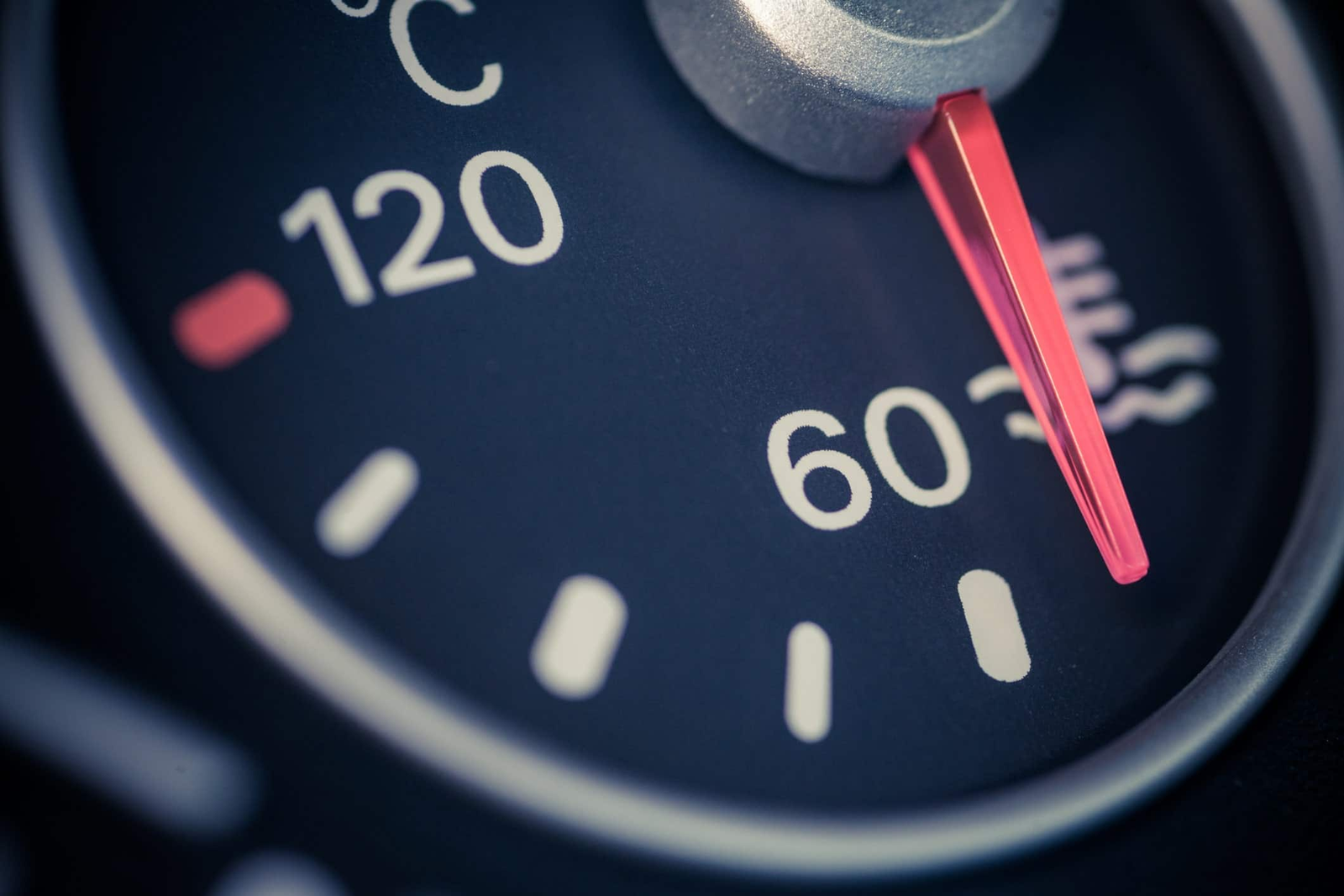
Recognizing the signs and symptoms of engine coolant over temperature is crucial for maintaining a healthy vehicle. One of the primary indicators is the reading on the temperature gauge. If the needle approaches the red zone or exceeds the normal operating range, it is an urgent sign that the engine may be overheating due to faulty coolant. Immediate attention is recommended to prevent irreversible damage.
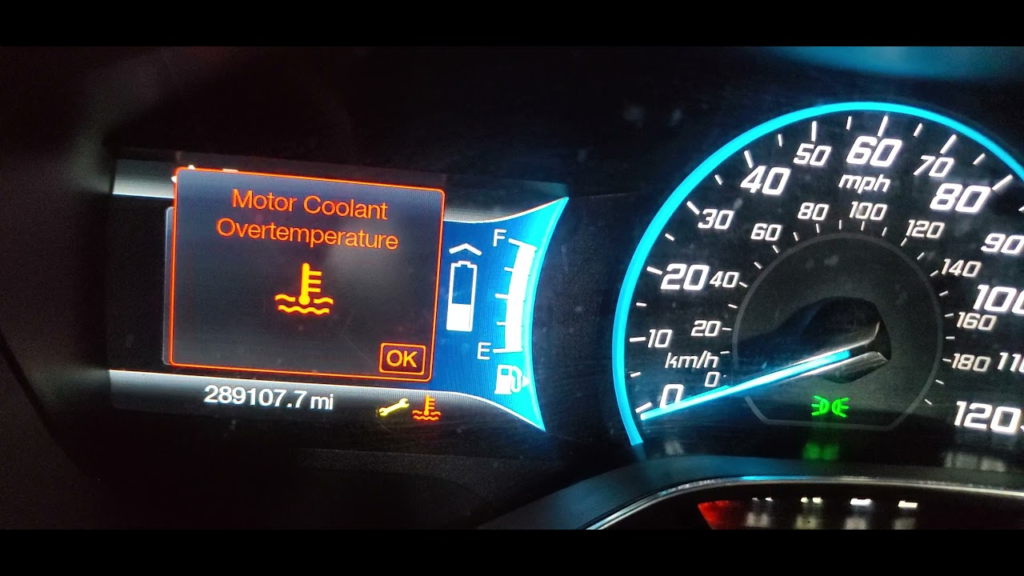
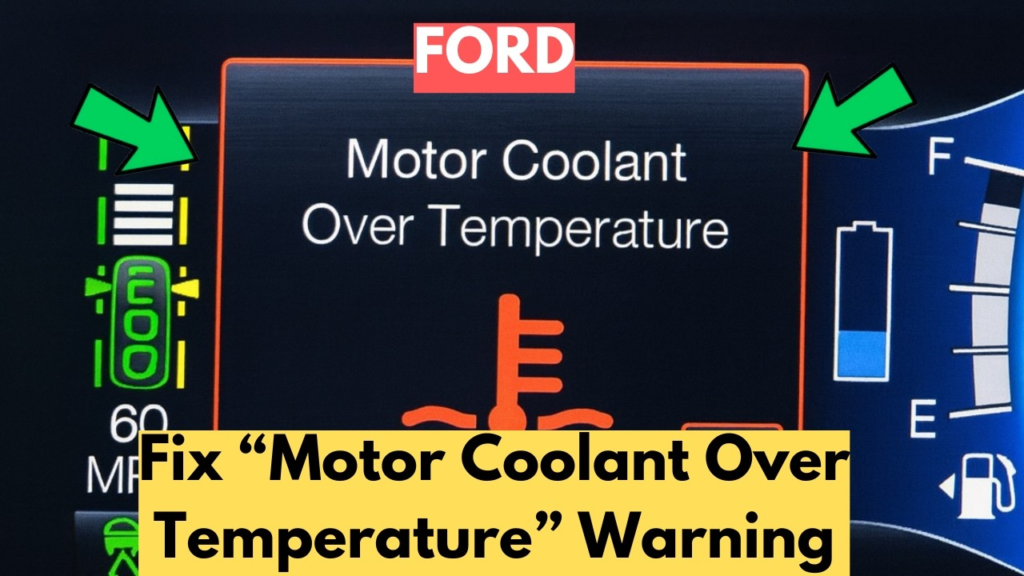
Another clear warning sign is the illumination of warning lights on the dashboard. Many modern vehicles are equipped with sensors that will activate a warning light if the engine coolant reaches an unsafe temperature. Drivers should never ignore these dashboard alerts, as they signal the need for prompt investigation into the issue.
Moreover, unusual engine noises can also indicate that something is wrong. A consistently high engine temperature can lead to compression issues or excessive friction, resulting in knocking or grinding sounds. These noises should not be dismissed, as they are often indicative of underlying problems related to engine temperature regulation.
In addition to sounds, smells can also serve as indicators of engine coolant over temperature. A burning smell, particularly that of coolant, could mean that the engine is overheating or that there are leaks within the cooling system. Drivers should familiarize themselves with the normal operation of their vehicle to quickly identify these abnormal odors.
To monitor these indicators effectively, regular vehicle inspections and maintenance checks are essential. Drivers should not only keep an eye on temperature gauges but also conduct routine checks of fluid levels and components of the cooling system. By staying vigilant about these signs, vehicle owners can address engine coolant over temperature issues before they escalate into major repairs.
Preventive Measures and Solutions for Engine Coolant Over Temperature
To mitigate the risks associated with engine coolant over temperature, regular maintenance and proactive measures are essential. Ensuring that the vehicle undergoes routine checks can significantly reduce the likelihood of overheating. One critical aspect of this maintenance is the regular inspection of the coolant levels in the reservoir. Maintaining the proper coolant level is vital, as both low and excessively high levels can lead to overheating. Drivers should routinely check their vehicle’s coolant and top it off with the appropriate type as specified in the owner’s manual.
Another preventive measure involves inspecting the condition of the radiator and associated components such as hoses and the thermostat. Over time, these components can develop leaks or become damaged, which can contribute to an engine’s inability to maintain the correct temperature. Promptly addressing any visible signs of wear or damage can prevent more severe issues related to engine coolant over temperature.
Awareness of warning signs is equally important. Drivers should pay attention to indicators such as the engine temperature gauge, warning lights on the dashboard, or any unusual smells that may suggest overheating. If any of these symptoms arise, it is crucial to pull over safely and turn off the vehicle to allow it to cool. Continuing to drive under such conditions can exacerbate the problem and lead to more expensive repairs.
Finally, there are instances where professional assistance becomes necessary. If coolant issues persist despite regular maintenance and checks, it may be indicative of underlying mechanical failures. Mechanics can perform detailed inspections and offer repair solutions, ensuring the vehicle’s cooling system functions efficiently. By implementing these preventive measures and promptly addressing issues, the risk of engine coolant over temperature can be minimized, leading to more reliable vehicle performance.

