



Understanding Animation Makers
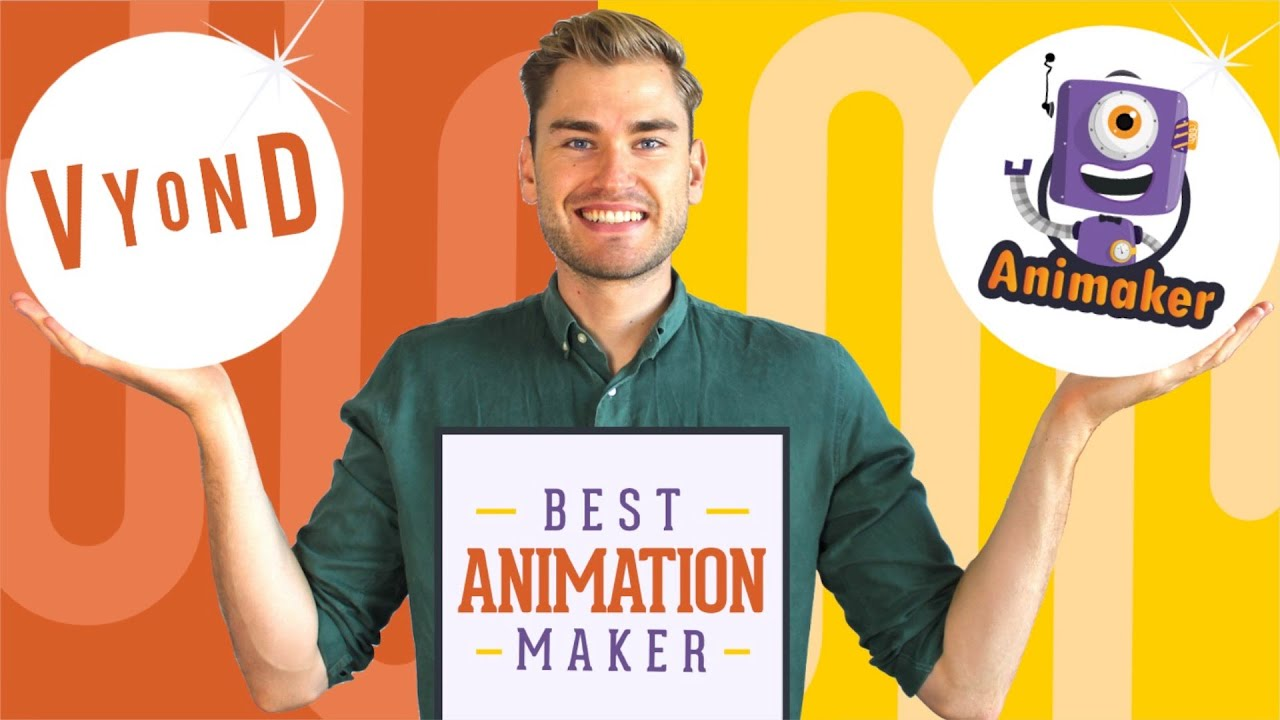
An animation maker is a software tool designed for creating animated content. This tool allows users to animate graphics, text, and characters, presenting them in a visually compelling way. The primary purpose of an animation maker is to enable individuals and businesses to convey ideas, concepts, or stories through animated visualizations. With the rise of digital content consumption, animation makers have become invaluable in various fields, including marketing, education, and entertainment.
There is a wide range of animation makers available to cater to different skill levels and project requirements. For beginners, there are user-friendly platforms that simplify the animation process through drag-and-drop functionality and pre-built templates. These tools often require minimal technical knowledge, making them accessible to those without a background in design or animation.
On the other hand, professional-grade animation makers offer advanced features and functionalities, catering to experienced animators and designers. Such software typically includes extensive libraries of assets, sophisticated tools for character rigging, and capabilities for creating intricate movement sequences. These tools provide a richer set of options for crafting unique and high-quality animations, but they may also come with a steeper learning curve.
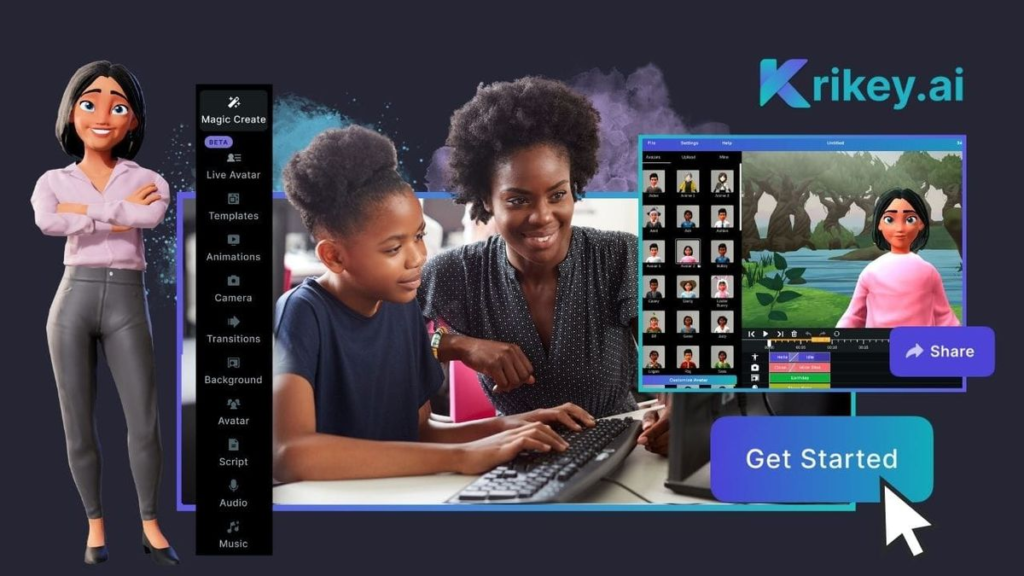
Key features that differentiate animation makers include ease of use, customization options, the variety of templates and assets, and export formats available. Some animation makers are specifically tailored for certain types of animation, such as 2D or 3D animation, while others focus on specific industries like gaming or marketing. Understanding these characteristics is essential for selecting the right animation maker to efficiently meet creative goals.
Key Features of Top Animation Makers
When selecting an animation maker, it is crucial to consider its key features that enhance usability and overall effectiveness. First and foremost, ease of use is a significant factor. A top-tier animation maker should provide an intuitive interface, enabling users, regardless of their experience level, to create animations with minimal effort. User-friendly design elements, such as drag-and-drop functionality or simple navigation menus, can significantly lower the learning curve for newcomers.
Variety is another important aspect. A quality animation maker should offer a wide range of templates and pre-made assets, such as characters, backgrounds, and props. This variety allows users to kick-start their projects and gives them the flexibility to adapt their animations for different purposes, whether for marketing, educational content, or entertainment. Access to diverse styles, including both 2D and 3D options, enables creators to have more freedom in their creative expression.
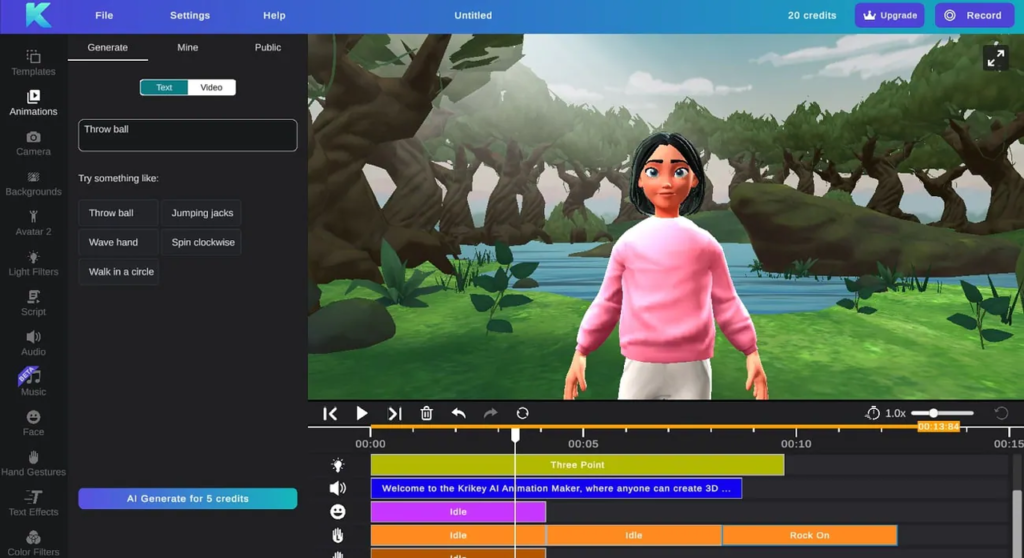
Equally important are customization capabilities. The ability to modify templates according to specific requirements can elevate the uniqueness of the animations produced. Users should be able to change colors, add text, and alter scenes to reflect their brand or message accurately. Furthermore, support for various animation styles can help users deliver their information more effectively, as certain styles may resonate better with different audiences.
Finally, export options play a critical role in the overall usability of an animation maker. Top-tier tools must accommodate different formats and resolutions to ensure that animations can be seamlessly integrated into various platforms, from social media to presentations. A good animation maker will facilitate this by allowing users to export their projects in multiple formats, ensuring optimal compatibility with the intended distribution channels.
Applications of Animation Makers in Various Fields
Animation makers have witnessed widespread adoption across numerous industries, leveraging their capabilities to enhance communication and storytelling. One of the most notable sectors utilizing animation is marketing. Brands employ animated videos to capture audience attention and convey their messages succinctly. For example, explainer videos often utilize simple animations to illustrate products or services, making complex ideas more digestible while engaging potential customers effectively.
In the realm of education, animation makers serve as powerful tools for creating engaging learning materials. Animated educational videos can simplify difficult topics, turning abstract concepts into visual representations. This method appeals to various learning styles, allowing students to retain information more effectively and providing a sense of enjoyment during the learning process. Many e-learning platforms now incorporate animations to enhance their curricula, facilitating a more interactive educational experience.
The entertainment industry has also embraced animation deeply, with movies, series, and even advertisements relying on captivating animated visuals to enthrall audiences. Animation brings characters and stories to life, providing a unique blend of creativity and artistry. Classic animations and modern animated films often draw significant viewer interest, showcasing how well-crafted animations can resonate with wide demographics.
Furthermore, social media platforms are increasingly promoting the use of animation to boost user engagement. Animated posts not only capture attention amid a sea of content but also encourage sharing among users. Marketers and content creators have observed that well-executed animations generate higher interaction rates compared to static images or text-based posts.
In summary, the versatility of animation makers extends across various fields, transforming how ideas are communicated. By improving engagement and simplifying complex concepts, these tools prove invaluable for industries such as marketing, education, entertainment, and social media.
Tips for Creating Engaging Animations
Creating engaging animations requires careful consideration of various elements, each contributing to the overall impact. One of the first steps in this process is choosing the right style that aligns with the message and tone of your content. Researching different animation styles—such as 2D, 3D, stop-motion, or motion graphics—can help you select the most suitable one for your project. Factors like your target audience and the intended use of the animation should guide this decision.
Incorporating storytelling elements is crucial in making your animation resonate with viewers. A compelling narrative encourages audience engagement. Start by outlining the main message you want to convey and then develop characters or visual metaphors that encapsulate this message. Using a story arc can help structure the animation, guiding the audience through a journey that builds emotional connections with the material.
Maintaining a good pace throughout the animation plays a significant role in capturing attention. A well-timed presentation allows for audience comprehension without overwhelming them. Consider integrating pauses strategically to emphasize critical moments or transitions. Additionally, use a rhythmic flow that resonates with the intended mood of the animation.
Finally, audio-visual components are vital in enhancing the animation’s overall quality. Quality voiceovers, sound effects, and background music can elevate the emotional tone and engagement level. Make sure that the audio complements the visuals, rather than distracting from them. Synchronization between visual and audio elements can further amplify the impact of your message.
By incorporating these tips and best practices into your design process, you can leverage the capabilities of an animation maker, resulting in captivating animations that not only captivate but also communicate effectively with your audience.

