



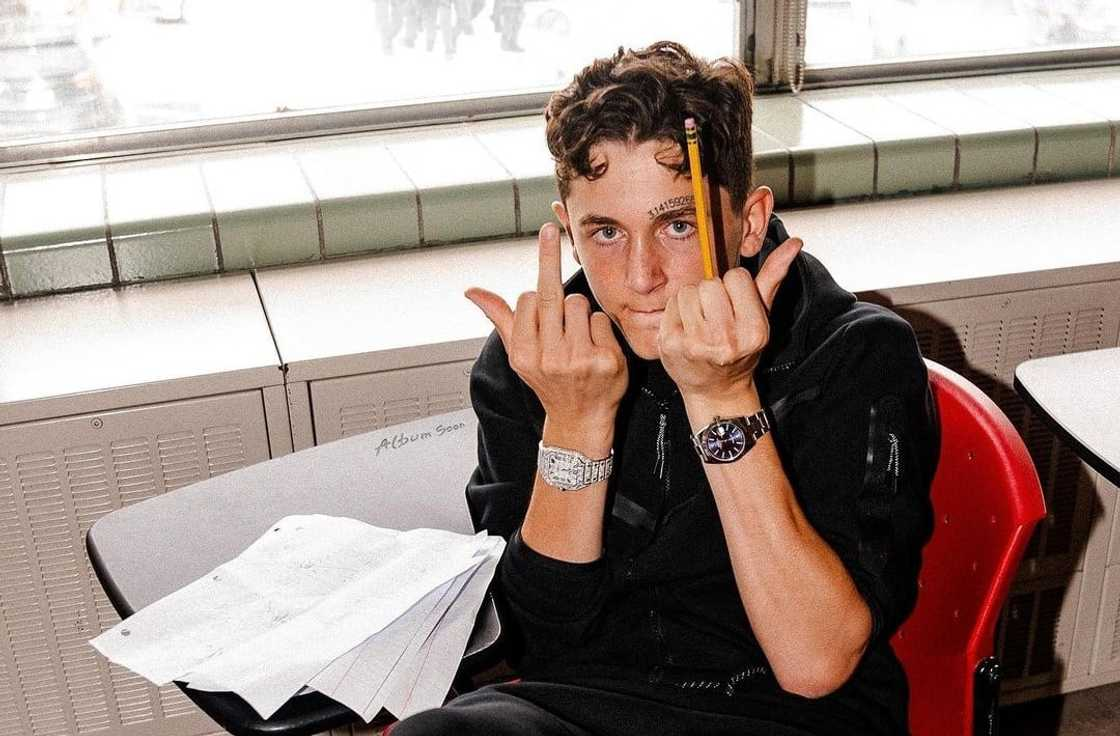
Who is Lil Mabu?
Lil Mabu, an emerging figure in the rap industry, has garnered significant attention for his unique style and engaging musical narratives. Born and raised in New York City, Lil Mabu’s roots lie in a vibrant cultural tapestry that has heavily influenced his artistic expression. From an early age, he was immersed in a diverse musical environment, where genres and styles fused together, laying the groundwork for his eclectic sound.
He began his musical journey as a teenager, experimenting with different forms of art, including writing and producing. His passion for music was evident, and he quickly gravitated towards rap, recognizing its potential as a means of storytelling and self-expression. Influenced by a variety of artists, including contemporary rap icons and classic legends, Lil Mabu has been able to craft a distinctive style that resonates with a broad audience. His lyrical themes often explore personal experiences, social issues, and the challenges of youth, establishing a genuine connection with listeners.
A pivotal moment in Lil Mabu’s early career came when he released his first tracks online, gaining traction on platforms such as SoundCloud and TikTok. The viral nature of social media played a crucial role in amplifying his reach, allowing him to connect with fans worldwide. His tracks often combine catchy beats with relatable lyrics, which has contributed to his popularity among young audiences. Key milestones in his career, such as collaborations with other artists and performances at various events, have also helped to solidify his presence in the competitive landscape of hip-hop.
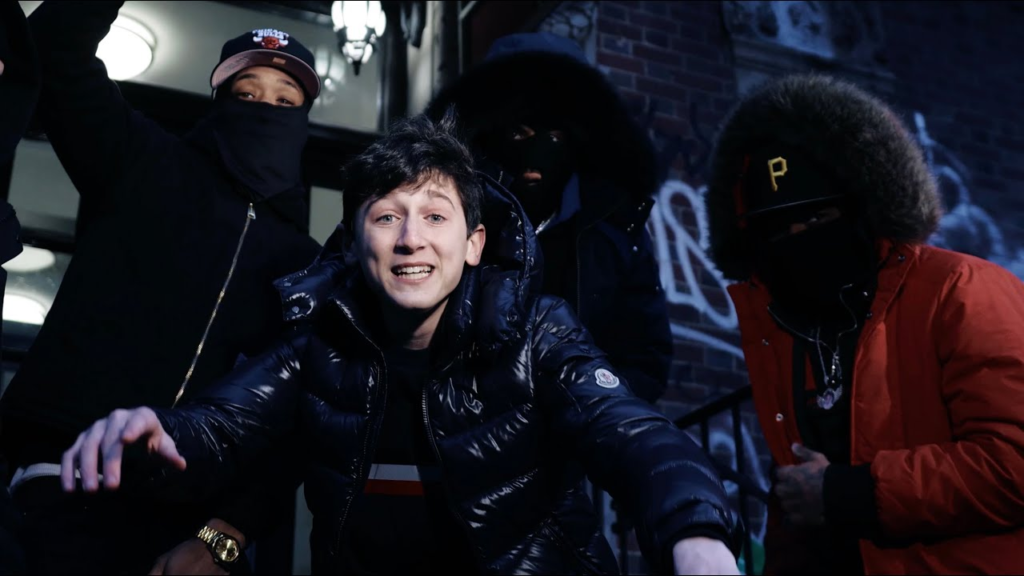
Overall, Lil Mabu represents a new wave of artists in the rap genre, combining authenticity with innovation. As he continues to evolve and expand his musical repertoire, he remains committed to delivering impactful content that reflects his journey and influences.
Musical Style and Influences
Lil Mabu has emerged as a distinctive voice in contemporary rap, blending various musical genres to create an eclectic sound that appeals to a diverse audience. Primarily rooted in hip-hop, Lil Mabu’s music also draws influences from pop, R&B, and even elements of punk rock, showcasing his versatility as an artist.
His lyrical content often merges personal narratives with broader social themes, a characteristic that resonates deeply with his fans. Lil Mabu frequently tackles subjects such as youth identity, societal pressures, and the realities of urban life, which not only reflect his own experiences but also the collective struggles of his generation. These themes are not merely anecdotal but are infused with a sense of urgency and authenticity, making his songs relatable and impactful.

In terms of influence, Lil Mabu has cited various artists as inspirations throughout his artistic journey. Icons like Lil Wayne and Drake have shaped his approach to songwriting, while the intensity and raw emotion found in tracks from artists like XXXTentacion have also influenced his musical expression. The amalgamation of these influences contributes to his unique sound—one that seems to balance melody with gritty realism.
Ultimately, the fusion of various genres and themes in Lil Mabu’s work not only showcases his personal style but also reflects the evolving landscape of modern rap music. As he continues to carve out his niche, the sincerity in his lyrics and the innovative sounds he produces will likely attract new listeners, further solidifying his presence in the industry.
Hit Songs and Collaborations
Lil Mabu has quickly established himself as a unique voice in the contemporary hip-hop scene, and his discography reflects a growing array of hit songs that resonate with fans across various platforms. One of his most notable tracks is “Move It,” which not only highlights his distinctive style but also showcases his lyrical prowess. This song became a viral sensation, drawing substantial attention on streaming services and social media, reinforcing Lil Mabu’s status as an emerging rap star.
Another significant release is “Demon Time,” where Lil Mabu collaborates with fellow artist Uncensored. This track has been particularly well-received, combining catchy hooks with engaging verses. Critics have praised this collaboration for its energy and the complementary styles of both artists, allowing them to reach a broader audience. Such partnerships are integral to Lil Mabu’s strategic extension into more diverse musical territories, thereby enhancing his appeal.
In addition to his singles, Lil Mabu’s collaborative efforts extend beyond the mainstream. His feature on “Haters” with rising rapper R2D2 introduced him to a new demographic and further solidified his reputation as a versatile artist capable of blending with various genres. This collaboration not only enriched his musical portfolio but also created pathways for future projects with other notable figures in the hip-hop realm.
The impact of these hit songs and collaborations cannot be overstated. They have helped Lil Mabu carve out a niche in the crowded music landscape, allowing him to connect with fans and industry insiders alike. As his career progresses, it will be exciting to observe how these musical endeavors evolve and how he continues to leverage collaborations to amplify his presence in the industry.
Future Prospects and Impact on Hip-Hop
Lil Mabu, emerging as a significant figure in the hip-hop landscape, has already begun to reshape the genre with his unique style and innovative approach to music. As we look toward the future, it is essential to consider the potential trajectories of his career and the lasting impact he might make on hip-hop as a whole. Lil Mabu’s blend of melodic rapping, relatable lyrics, and engaging visual content resonates with a younger audience, a demographic that is essential for the genre’s continued evolution.
His connection with fans through social media and various digital platforms indicates that he could pursue further collaborations with other up-and-coming artists or established icons in the industry. Such partnerships could culminate in a diverse range of projects that not only amplify his reach but also contribute significantly to the broader hip-hop narrative. Additionally, as we observe the upward trend of experimental sounds within the genre, Lil Mabu may explore new musical styles, enriching the hip-hop genre’s flexibility and creative potential.
Furthermore, Lil Mabu embodies a new wave of artists who often challenge traditional norms, combining different genres and influences to create a unique sound. This trend represents a shift towards more diverse and inclusive expressions within hip-hop, reflecting a society that values multifaceted narratives and global influences. As a representative of this emergent movement, Lil Mabu’s contributions could foster a greater appreciation for narrative complexity and emotional depth in rap music.
In conclusion, the future of Lil Mabu in the hip-hop scene appears bright, potentially leading to groundbreaking projects that not only entertain but also inspire a new generation of artists. His influence may shape the next chapter of hip-hop, urging the genre towards greater exploration and inclusivity.

