



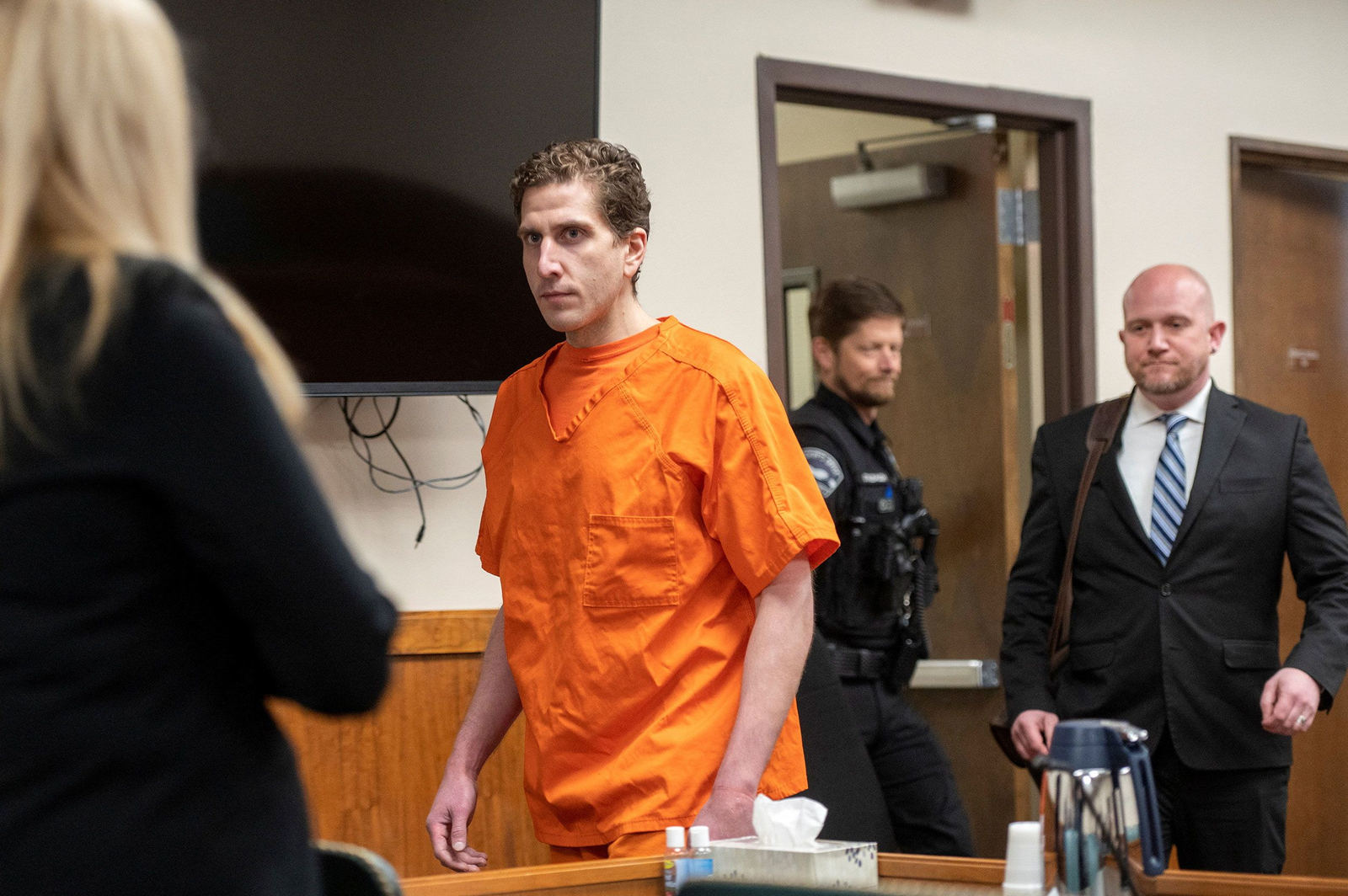
Who is Bryan Kohberger?
Bryan Kohberger is an individual who has recently attracted significant public attention, primarily due to his involvement in high-profile criminal cases. Born and raised in Pennsylvania, his early life was marked by various personal and familial influences that shaped his eventual career trajectory. Kohberger demonstrated a keen interest in the complexities of human behavior from an early age, which paved the way for his future academic pursuits in criminology and psychology.
In his formative years, Kohberger was known to be academically inclined, showing particular enthusiasm for subjects that delve into the human psyche and societal dynamics. This early interest catalyzed his pursuit of higher education, where he would immerse himself in extensive studies related to criminal behavior and the underlying psychological principles. Bryan Kohberger attended several institutions, culminating in his graduate studies, which further deepened his understanding of criminology.
During his academic journey, Kohberger engaged in various research projects that examined the intricacies of crime, and he also contributed to discussions surrounding criminal justice reform. His commitment to this field was underscored by his active participation in university programs, where he sought to bridge theoretical knowledge with practical applications. This involvement not only enriched his understanding but also established him as an emerging voice in discussions about criminology.
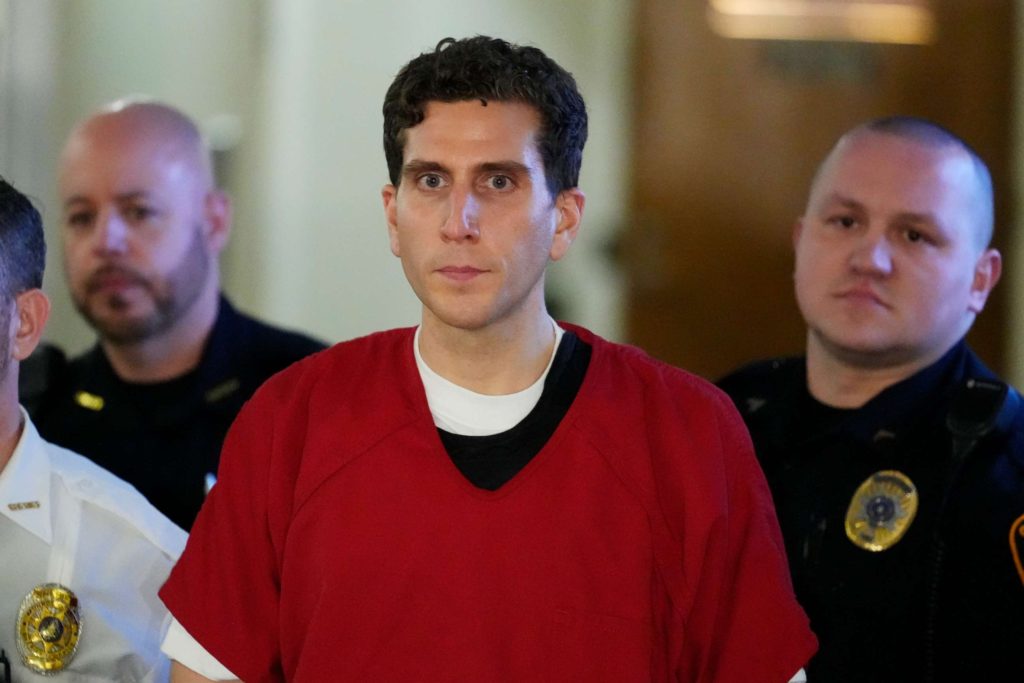
As he transitioned from student to professional, Kohberger became known for his analytical skills and critical approach to understanding crime. His educational background has equipped him with a nuanced understanding of the factors that influence criminal behavior, setting the stage for his emergence as a public figure in the criminal justice landscape. Through this exploration of Bryan Kohberger’s life and studies, it becomes evident how his early influences and academic endeavors have contributed to shaping the person he is today.
The Events Leading to His Public Attention
The journey of Bryan Kohberger into the public eye can be traced back to several significant events that garnered media attention. While Kohberger’s early life remained largely private, the first notable incident that brought him into the spotlight occurred in late 2022, following allegations of serious criminal activity.
In November 2022, four university students were tragically murdered in their off-campus residence in Idaho. As the investigation unfolded, several leads were pursued by law enforcement agencies, which eventually led to the scrutiny of Kohberger as a potential suspect. He was a doctoral student in criminology at a local university, which raised eyebrows and piqued public curiosity regarding his background and motivations.

As media coverage intensified, Kohberger became a focal point of discussions and speculations. His academic pursuits were discussed extensively in the press, with many questioning whether his interest in criminology could have influenced his actions. The coverage escalated as law enforcement pieced together evidence and eventually arrested him in December 2022. This arrest marked a pivotal moment in his transformation from a relatively unknown individual to a household name.
Following the arrest, a mix of sensationalist and critical reporting ensued, shaping public perception of Kohberger. The media’s portrayal of him fueled public interest, resulting in widespread discussions across various platforms, including social media, news outlets, and public forums. The conflicting narratives—ranging from Kohberger as an enigmatic suspect to a misunderstood scholar—added layers to his characterization within the public domain.
As the media continued to cover the ongoing case, Kohberger’s role in the narrative evolved, leading to further examinations of his past, including his educational achievements and psychological profile. Thus, the confluence of tragic events, detailed investigations, and extensive media coverage ultimately established Bryan Kohberger as a pivotal figure in contemporary crime discussions.
Legal and Social Implications of Kohberger’s Case
The case involving Bryan Kohberger has raised significant legal considerations that affect both the judicial system and societal perceptions of crime. Initially charged with serious offenses, Kohberger’s arraignment marked the beginning of a complex legal journey. The charges against him are not merely reflective of individual criminal behavior but also raise questions about the broader implications of such cases within the justice system. Legal experts are closely monitoring how the prosecution will navigate this high-profile case, particularly considering factors such as public scrutiny and media coverage, which often play a critical role in the outcome of similar proceedings.
On a societal level, the actions attributed to bryan kohberger have sparked extensive discussions regarding crime, justice, and morality. The public reaction has been intense, prompting debates about the psychological, social, and environmental factors that contribute to criminal behavior. Scholars and commentators have pointed out that this case illustrates a growing discourse around mental health awareness; as criminal behavior often intersects with underlying psychological issues, this case presents an opportunity to examine how these aspects are treated within legal frameworks. The analysis of bryan kohberger actions in this context has led to calls for reform in both the understanding and treatment of individuals exhibiting dangerous behavior.
Furthermore, the ramifications of the case have permeated community discussions, as citizens increasingly seek to understand the motives behind crime and the societal structures that may contribute to such acts. This ongoing dialogue highlights an urgent need for enhanced mental health resources and preventive measures within communities. As society grapples with the implications of Bryan Kohberger’s case, it serves as a stark reminder of the delicate balance between enforcing justice and understanding the complexities of human behavior.
Public Perception and Media Representation
The case surrounding Bryan Kohberger has prompted extensive media coverage, shaping public perception in significant ways. As a figure entangled in a grim narrative, Kohberger’s portrayal in various news outlets has sparked discussions about sensationalism and bias in journalism. Media representation often highlights dramatic aspects of high-profile criminal cases, which can muddy the waters of objective reporting. Journalists, driven by the need to attract attention and generate engagement, sometimes prioritize engaging narratives over factual accuracy.
A recurring theme in the portrayal of Bryan Kohberger is the tendency to construct a narrative that emphasizes his alleged actions rather than placing them in the context of the criminal justice process. This focus on sensational details can lead to a skewed understanding of the case, where sensational headlines overshadow the complexities involved. Such depictions can shape public opinion, leading to premature judgments about Kohberger’s guilt or innocence before legal proceedings have fully unfolded.
Furthermore, the use of language in media reports regarding Kohberger has raised concerns about bias. Terms that evoke strong emotional responses can influence how the public perceives him. The challenge for reporters is to balance the need for compelling storytelling with an ethical responsibility to present information fairly and accurately. The impact of media representation is profound; it does not merely inform the audience but can also create an environment where public opinion is heavily swayed by the way a story is told.
In conclusion, the case of Bryan Kohberger provides a lens through which to examine the role of media in shaping perceptions of individuals involved in high-profile crime cases. The intricate dance between sensationalism, bias, and ethical reporting highlights the essential need for responsible journalism. Understanding this dynamic is crucial as it underscores the media’s influential role in constructing narratives that can have lasting effects on public perception.

