



A Brief Biography of Freddy Moore
Freddy Moore, an influential figure in the American music scene, was born on December 19, 1950, in Los Angeles, California. Growing up in a city pulsating with cultural diversity, Freddy’s early life was significantly shaped by the eclectic sounds that surrounded him. His parents, both musicians, instilled a love for music that became a cornerstone of his upbringing. With jazz, rock, and folk reverberating through the household, Freddy developed a profound appreciation for various genres from a young age.
As a teenager, Moore was immersed in the vibrant music scene of the 1960s and 1970s. This period, characterized by the rise of rock and roll, truly influenced his artistic identity. Iconic artists like The Beatles and Bob Dylan left an indelible mark on his musical style, shaping his songwriting and performance approach. In high school, he began to experiment with guitar and vocals, participating in local bands, which allowed him to express his artistic tendencies.
Upon completing his education, Freddy Moore decided to pursue a career in the music industry, a decision facilitated by his passion and commitment. His transition from amateur performances to professional gigs marked the beginning of his artistic journey. In the late 1970s, Moore gained recognition for his distinctive blend of rock and pop, leading to the release of his first album. His talent was also amplified by pivotal moments, such as collaboration with other influential musicians, which helped him hone his craft and expand his reach.
Moore’s path was not without challenges, but these experiences only served to deepen his resilience as an artist. The combination of his early influences and professional endeavors positioned Freddy Moore as a noteworthy figure within the music industry, paving the way for future artistic achievements.
Musical Career Highlights
Freddy Moore’s musical journey is marked by a distinctive blend of rock and pop, making significant inroads in the music industry throughout his career. He began gaining recognition in the late 1970s and early 1980s with his notable albums, including “Freddy Moore” and “Orange Rooftop of My Mind.” These records showcased his lyrical prowess and vocal versatility, attracting a loyal fan base.
One of the standout moments in Moore’s career was the release of his hit single “It’s Not a Matter of Love,” which not only charted well but also highlighted his unique style that combined catchy hooks with introspective lyrics. Over the years, Freddy Moore collaborated with various artists, further expanding his musical repertoire. Notable partnerships included working with singer-songwriter Jackson Browne and keyboardist Al Kooper, both of whom contributed to the rich tapestry of his sound.
Freddy’s influence in the realm of music extends beyond his own recordings. He is often credited for paving the way for future artists by seamlessly merging different genres, allowing for broader creative expression within the music scene. His work has resonated not just within the rock genre but also influenced pop culture at large, demonstrating the versatility and impact of his artistry. Throughout his career, he received several accolades that reflected his contributions to music, solidifying his position as a respected figure in the industry.
In essence, Freddy Moore’s musical career is a testament to his evolution as an artist, showcasing both his ability to adapt to changing musical landscapes and his commitment to delivering heartfelt music that connects with audiences across generations. His legacy continues to inspire upcoming musicians, emphasizing the importance of authenticity and artistic expression in music.
Personal Life and Connections
Freddy Moore, an influential figure in the music industry, is not only known for his artistic contributions but also for his notable personal life that has significantly shaped his public persona. Born on July 19, 1950, Moore established himself as a talented singer-songwriter primarily in the late 1970s and early 1980s. His music, particularly in the genres of rock and pop, resonated with a generation, but it was his relationships that often drew considerable attention.
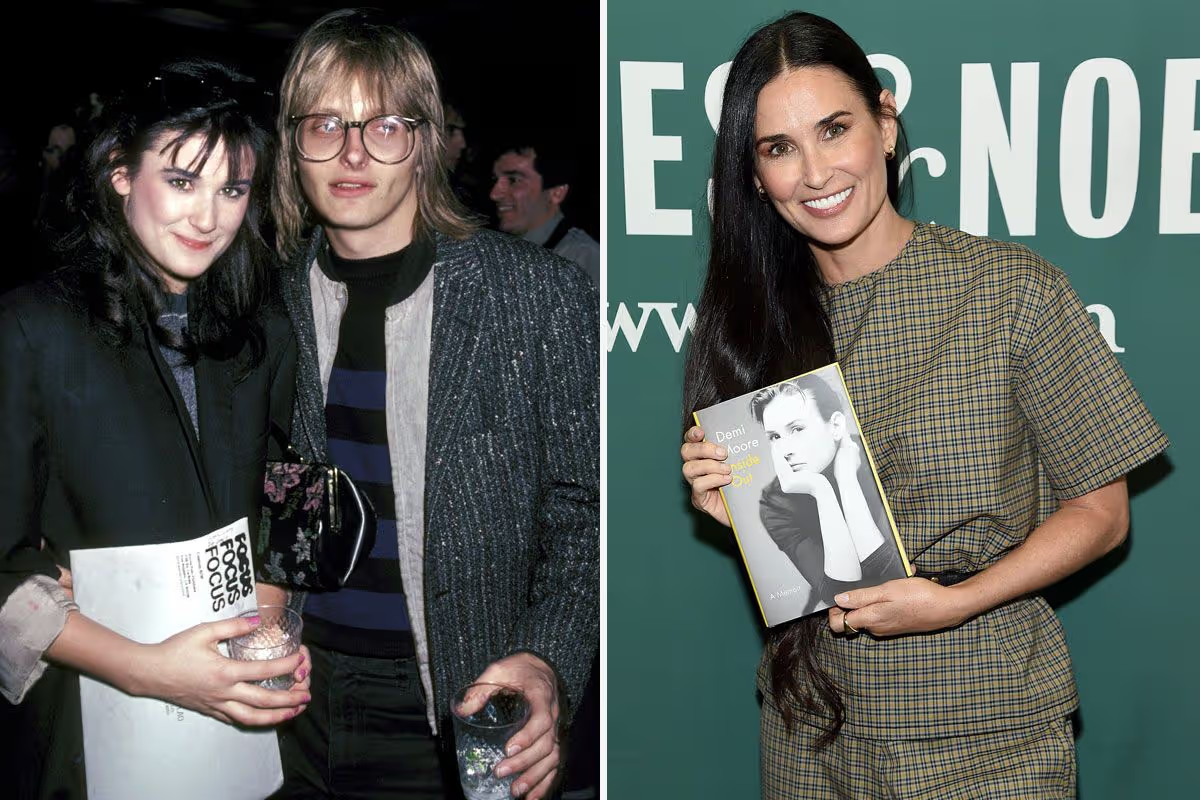
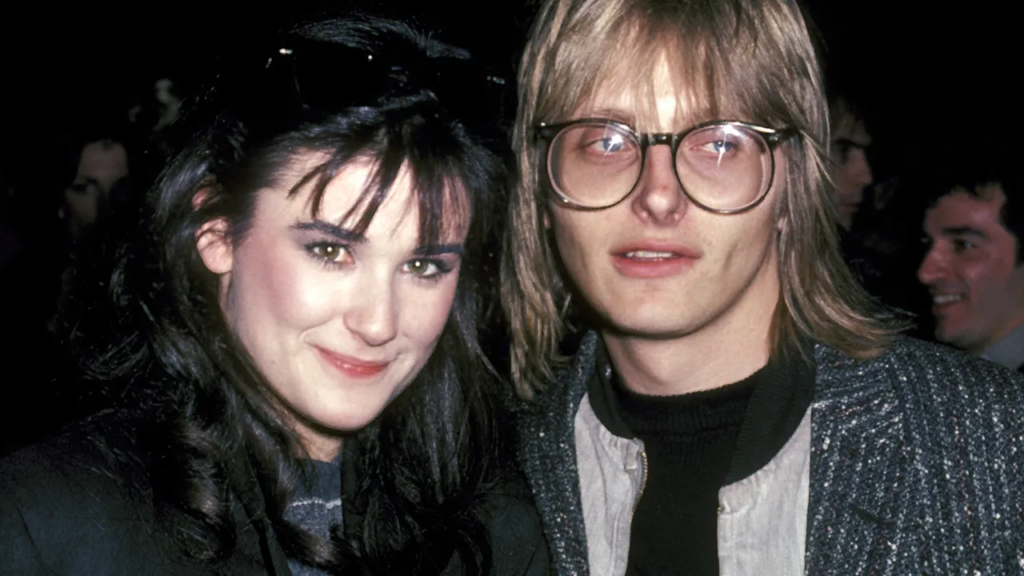
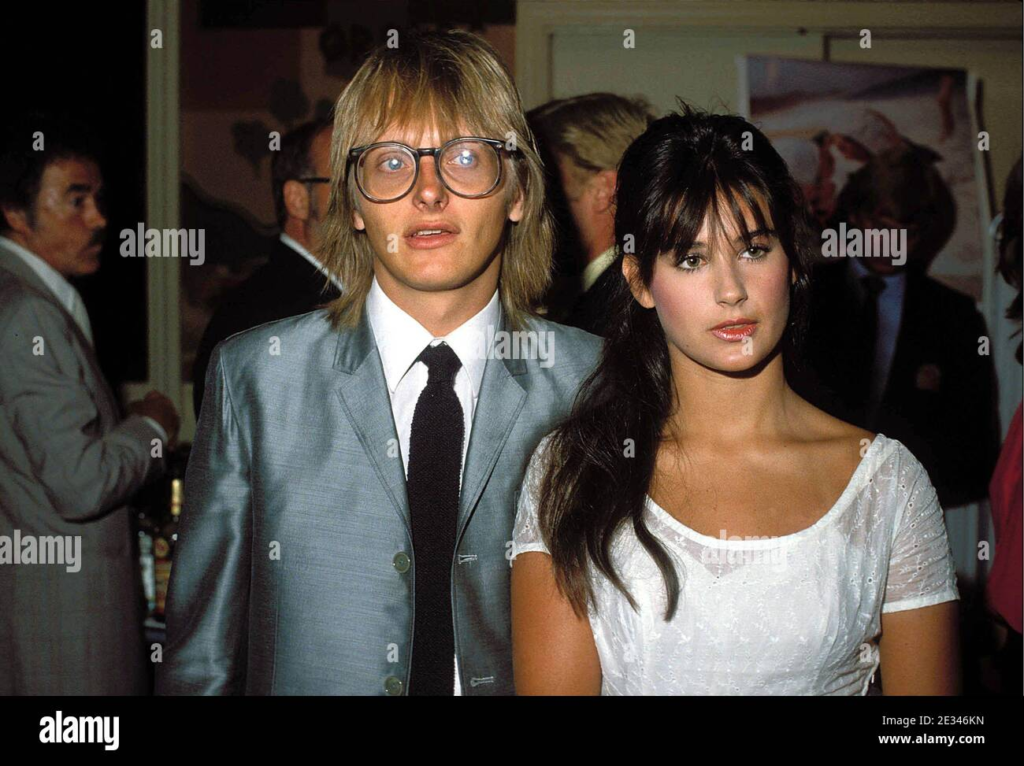
Perhaps one of the most prominent aspects of Freddy Moore‘s personal life is his marriage to actress Demi Moore, which lasted from 1980 to 1985. During their time together, the couple made headlines and became a fixture in the media. This high-profile relationship introduced Freddy to a wider audience, influencing both his career and image. Many observers noted how Demi’s rising fame played a role in shaping public perceptions of Moore, suggesting that he often took a backseat to her increasingly successful acting career. Nevertheless, the partnership also allowed him to mingle with various influential figures in the entertainment sector, enhancing his connectivity within the industry.
Beyond his marriage, Freddy Moore’s personal interests introduce further dimensions to his character. He has expressed a profound passion for art and literature, often engaging in creative pursuits outside the music scene. This eclectic range of interests contributed to his songwriting, showcasing a depth of experience and perception that set him apart from his contemporaries. Additionally, his friendships with other musicians, such as his songwriting collaborations with the likes of Bob Dylan, underline a commitment to artistic expression that transcends mainstream fame. Freddy Moore continues to resonate with audiences, reflecting a multifaceted personality shaped by his relationships and varied interests.
Legacy and Influence
Freddy Moore, a name synonymous with musical creativity and innovation, has left an indelible mark on the music industry. His work has transcended time, serving as a formidable influence on the generations of musicians that followed him. With a blend of acoustic richness and lyrical depth, Moore’s music continues to resonate with audiences, effectively maintaining his relevance in today’s pop culture landscape.
His songwriting abilities and unique vocal style were instrumental in crafting a distinct sound during the peak of his career. Notably, his contributions have inspired countless artists, who cite him as a pivotal influence in their own musical journeys. From aspiring singers to established professionals, many have drawn from Moore’s innovative approaches, incorporating elements of his style into their own work. This influence can be particularly observed in genres ranging from pop to rock, where artists continually strive to replicate the emotional essence that Moore so adeptly captured.
Fans have not only celebrated his contributions but also actively preserve his legacy through tributes and cover songs that keep his spirit alive. Festivals and events dedicated to celebrating his music often draw significant crowds, demonstrating the enduring appeal of his artistry. Moreover, Freddy Moore remains engaged in various endeavors, whether through occasional performances or recorded works that remind listeners of his unique perspective in music.
The perception of Moore within the fan community is overwhelmingly positive, reflecting a deep sense of admiration for his talent and contributions. His work is viewed not just as entertainment, but as a profound form of expression that captured the complexities of human experience. As new artists continue to emerge, the foundational work of Freddy Moore serves as a guiding light, illuminating the pathways of musical creativity.

