



Introduction
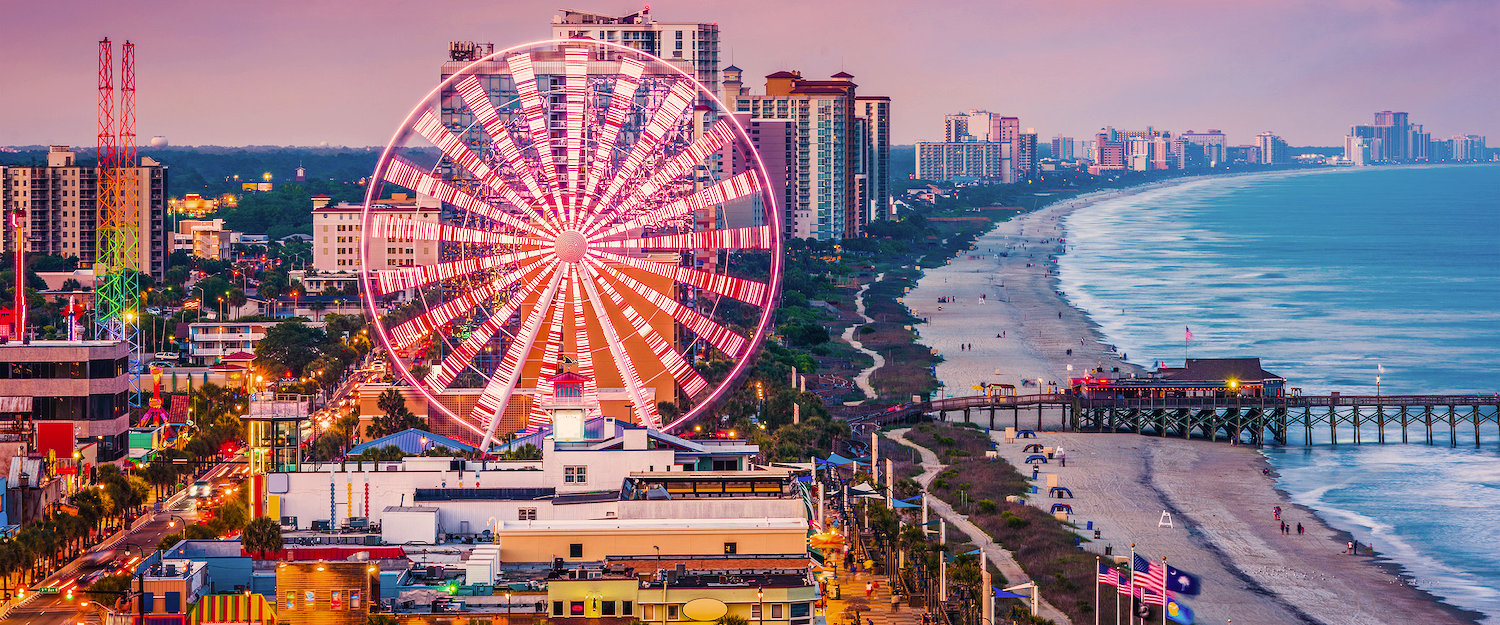
South Carolina blends deep Southern history with fast-growing cities, sandy beaches, and a thriving economy. Known as the Palmetto State, it has become one of the fastest-growing states in the country, drawing new residents with its coastal charm, historic character, and lower cost of living.
This guide covers South Carolina’s history, geography, major cities, economy, and the best places to visit.
Quick Facts About South Carolina
| Detail | Information |
|---|---|
| Capital | Columbia |
| Largest City (Metro) | Charleston metro area |
| Population | Approximately 5.65 million (2026 estimate) |
| Nickname | The Palmetto State |
| Statehood | May 23, 1788 (8th state) |
| Region | Southeastern United States |
| Current Governor | Henry McMaster |
| State Bird | Carolina Wren |
| State Tree | Sabal Palmetto |
A Brief History of South Carolina
South Carolina was one of the original 13 colonies and became the eighth state to ratify the U.S. Constitution on May 23, 1788. The state played a central role in early American history, and Charleston in particular developed into one of the most important port cities in the colonial South.
South Carolina holds a significant, difficult place in American history as the first state to secede from the Union in December 1860, and the location of the opening shots of the Civil War at Fort Sumter in April 1861. This history continues to shape the state’s historical landmarks, museums, and ongoing conversations about its past.
Since the late 20th century, South Carolina has transformed into a Republican-leaning state politically, a shift that took hold after decades of Democratic dominance following Reconstruction.
Geography and Climate
South Carolina sits in the southeastern United States, bordered by North Carolina to the north, Georgia to the southwest, and the Atlantic Ocean to the east. The state is generally divided into three main geographic regions:
- The Lowcountry, including Charleston and the coastal plains
- The Midlands, centered around the capital city of Columbia
- The Upstate, including Greenville and the Blue Ridge foothills
South Carolina has a humid subtropical climate, with hot, humid summers and mild winters. Coastal areas tend to stay warmer year-round, while the Upstate region experiences slightly cooler temperatures due to its higher elevation.
South Carolina’s Population and Growth
South Carolina has become one of the fastest-growing states in the country in recent years. As of 2026, the state’s population stands at approximately 5.65 million people, making it the 23rd most populous state in the U.S.
Recent Growth Trends
Between July 2024 and July 2025, South Carolina recorded the fastest population growth rate of any state in the country, driven largely by domestic migration from other states. Growth has been especially strong in:
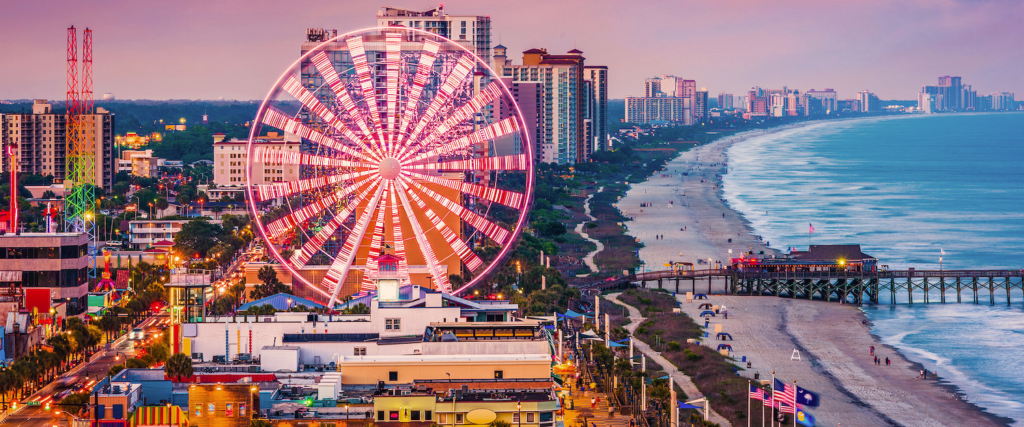
- Horry County (Myrtle Beach area), up more than 20% since 2020
- Berkeley County, up roughly 19% since 2020
- Greenville County, the state’s most populous county
Meanwhile, some rural counties in the southern and eastern parts of the state have experienced population declines, reflecting a broader national trend of growth concentrating around urban and coastal areas.
Population Snapshot Table
| Metric | Figure |
|---|---|
| Total Population (2026) | ~5.65 million |
| National Population Rank | 23rd |
| Fastest-Growing County | Horry County (+20.5% since 2020) |
| Median Household Income | Approximately $46,00 |
South Carolina’s Major Cities
Columbia
Columbia is South Carolina’s capital and one of its largest cities, home to the University of South Carolina and a growing base of government, education, and healthcare jobs.
Charleston
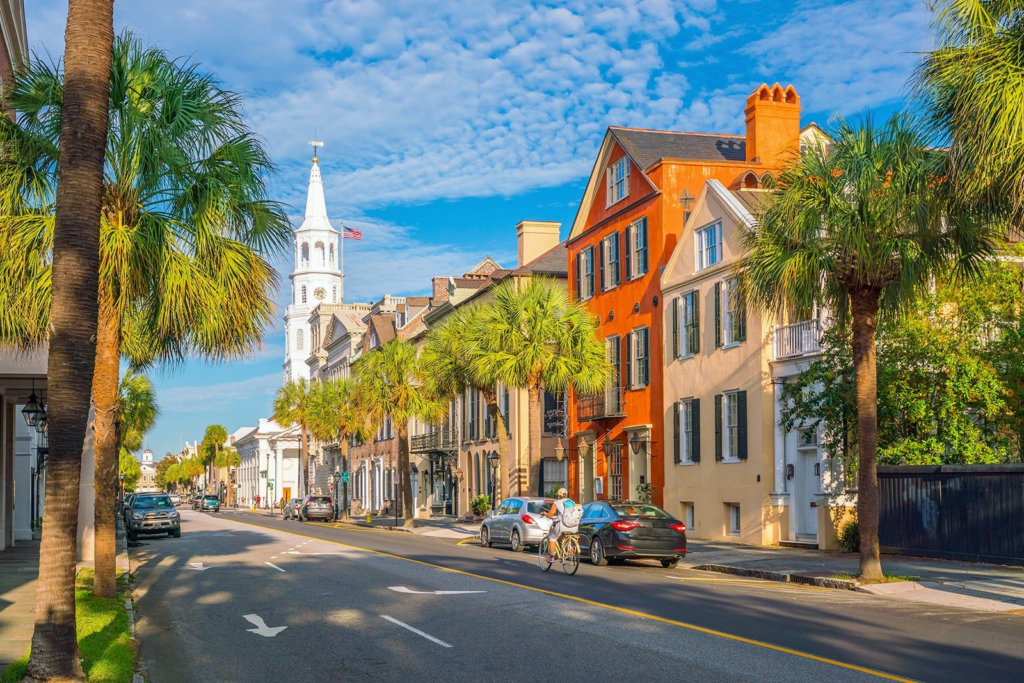
Charleston is widely regarded as the cultural heart of South Carolina, known for its well-preserved historic district, cobblestone streets, and thriving culinary and tourism scene. The greater Charleston metro area has also become a hub for manufacturing, including a major presence from the aerospace and automotive industries.
Greenville
Located in the Upstate region, Greenville has emerged as one of the state’s fastest-growing economic centers, attracting technology companies, manufacturers, and a wave of new residents drawn to its downtown revitalization and access to the Blue Ridge Mountains.
Myrtle Beach
Myrtle Beach anchors South Carolina’s Grand Strand coastline, a major destination for tourism thanks to its beaches, golf courses, and family attractions.
Major Cities Table
| City | Region | Known For |
|---|---|---|
| Columbia | Midlands | State capital, government, education |
| Charleston | Lowcountry | History, tourism, port industry |
| Greenville | Upstate | Manufacturing, tech growth, downtown revival |
| Myrtle Beach | Grand Strand | Beaches, golf, tourism |
South Carolina’s Economy
South Carolina’s economy has diversified significantly in recent decades, moving beyond its historical roots in agriculture and textiles. Today, the state’s economy is supported by:
- Manufacturing, including major automotive and aerospace production facilities
- Tourism, centered around Charleston, Myrtle Beach, and Hilton Head Island
- Ports and logistics, with the Port of Charleston serving as a major East Coast shipping hub
- Growing technology and business sectors, particularly in the Greenville-Spartanburg area
This economic growth has been a key driver behind the state’s rapid population increase, as companies and workers relocate to South Carolina for its business-friendly environment and lower cost of living compared to many other states.
Government and Politics
South Carolina operates under a Republican-leaning political system at the state level, with Republicans holding a trifecta over the governorship and both chambers of the state legislature. Henry McMaster has served as governor since 2017, though he is term-limited and not seeking reelection in the 2026 gubernatorial race.
South Carolina also holds a prominent role in national politics, particularly through its early presidential primary elections, which have historically played a significant part in shaping both major parties’ nomination processes.
Things to Do in South Carolina
South Carolina offers a wide range of attractions for visitors and residents alike, including:
- Historic Charleston, with its preserved architecture, museums, and Fort Sumter National Historical Park
- Myrtle Beach and the Grand Strand, offering beaches, golf courses, and boardwalk attractions
- Congaree National Park, home to one of the largest intact expanses of old-growth bottomland hardwood forest in the country
- Hilton Head Island, known for its resorts, beaches, and outdoor recreation
- The Upstate mountains, offering hiking, waterfalls, and access to the Blue Ridge Mountains near Greenville
Why South Carolina Continues to Attract New Residents
Several factors help explain the state’s rapid growth and enduring appeal:
- A lower cost of living compared to many other coastal and Southern states
- A warm climate, appealing to retirees and remote workers alike
- A growing job market, particularly in manufacturing and logistics
- Diverse landscapes, from mountains to beaches within a single state
- Rich historical and cultural heritage, especially in Charleston and the Lowcountry
FAQs About South Carolina
1. What is the capital of South Carolina? The capital of South Carolina is Columbia, which is also one of the state’s largest cities.
2. How many people live in South Carolina? As of 2026, South Carolina’s population is approximately 5.65 million people, making it the 23rd most populous U.S. state.
3. Is South Carolina a good place to live? Many residents cite South Carlina’s lower cost of living, warm climate, and growing job market as reasons for its rapid population growth in recent years.
4. What is South Carlina known for? South Carlina is known for its historic city of Charleston, its beaches along the Grand Strand, its role in early American and Civil War history, and its growing manufacturing economy.
5. Who is the governor of South Carlina? As of 2026, Henry McMaster serves as governor, though he is term-limited and will not be running in the November 2026 gubernatorial election.
Conclusion
South Carlina continues to stand out as one of the fastest-growing and most historically significant states in the country. From the cobblestone streets of Charleston to the booming economy of the Upstate, the Palmetto State offers a distinctive blend of Southern history, coastal charm, and modern economic opportunity.
Whether you’re considering a move, planning a visit, or simply curious about the state’s story, South Carlina remains a compelling destination shaped by both its past and its rapidly changing present.

