



Introduction
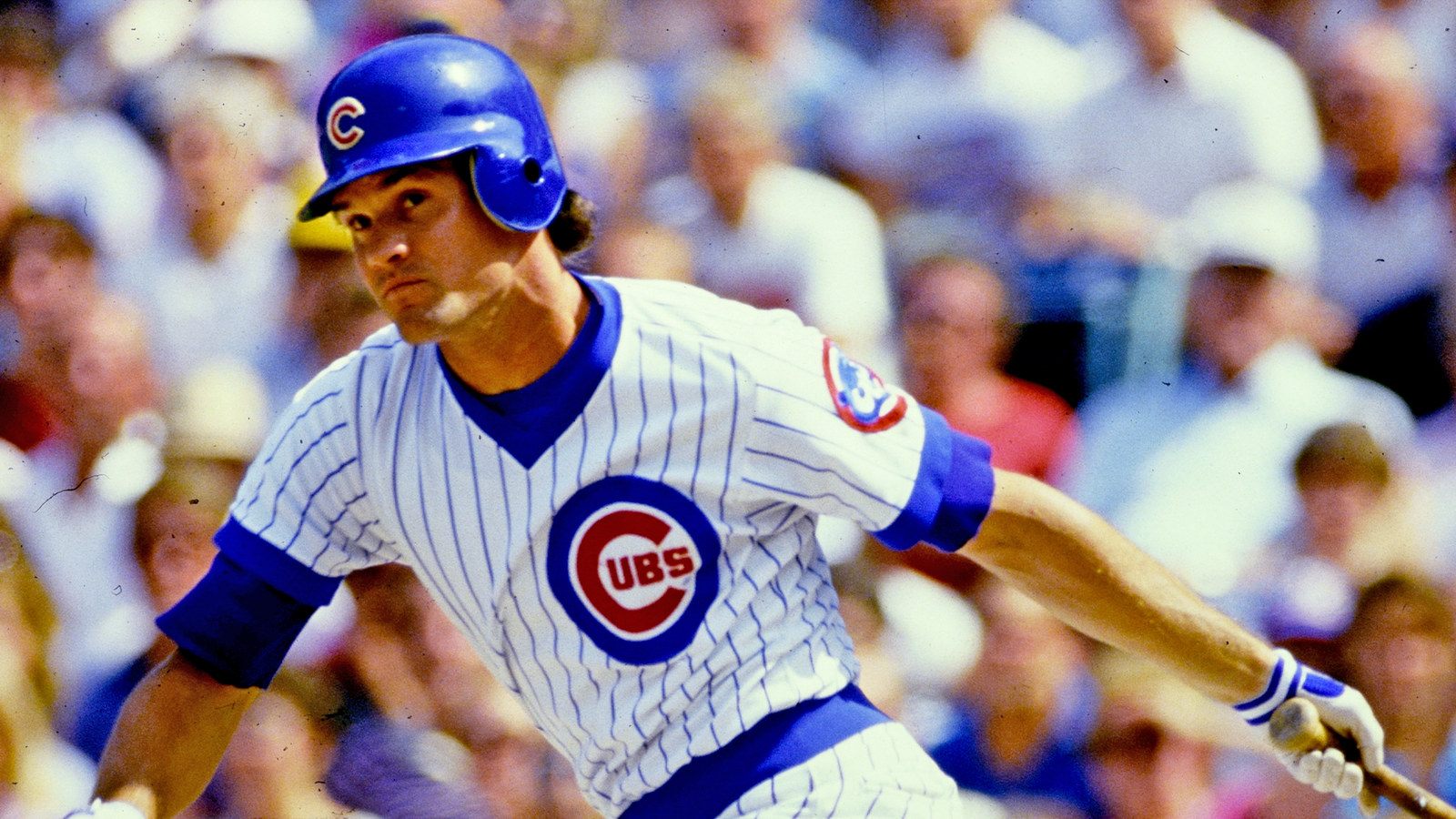
Ryne Sandberg redefined what a second baseman could be, combining elite defense with genuine power at a position rarely known for both. Over 16 seasons, largely with the Chicago Cubs, he became one of the most beloved figures in franchise history, a legacy that has only grown since his passing in July 2025.
This article looks back at his career, his most iconic moments, and the lasting impact he left on baseball.
Who Was Ryne Sandberg?
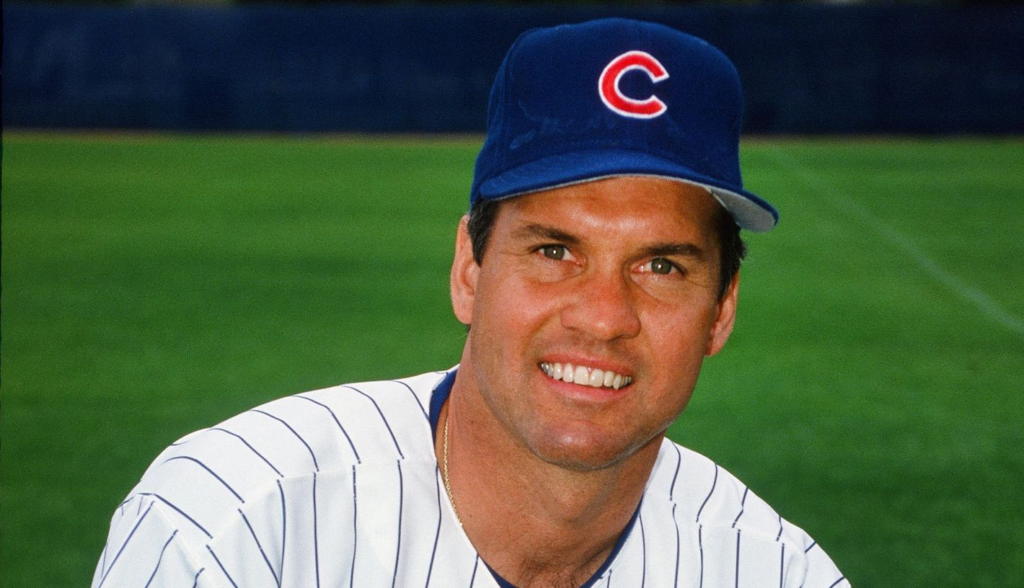
Ryne Dee Sandberg, nicknamed “Ryno,” was an American professional baseball player, coach, and manager, born on September 18, 1959, in Spokane, Washington. He played 16 seasons in Major League Baseball as a second baseman, spending the vast majority of his career with the Chicago Cubs after beginning with the Philadelphia Phillies.
Sandberg passed away on July 28, 2025, at age 65, following a battle with metastatic prostate cancer first diagnosed in 2024.
Quick Facts Table
| Detail | Information |
|---|---|
| Full Name | Ryne Dee Sandberg |
| Born | September 18, 1959, Spokane, Washington |
| Passed Away | July 28, 2025 (age 65) |
| Position | Second Baseman |
| MLB Teams | Philadelphia Phillies (1981), Chicago Cubs (1982–1994, 1996–1997) |
| Career Batting Average | .285 |
| Home Runs | 282 |
| Hall of Fame Induction | 2005 (76.2% of the vote) |
Early Career and Path to Chicago
Sandberg was originally selected by the Philadelphia Phillies in the 20th round of the 1978 MLB draft, following a standout multi-sport high school career at North Central High School in Spokane, Washington, where he earned all-city and all-state honors in football, basketball, and baseball.
He made his MLB debut with the Phillies on September 2, 1981, but his career changed direction after the season, when he was traded to the Chicago Cubs, a move that would define the rest of his playing career.
Ryne Sandberg’s Hall of Fame Career
The “Sandberg Game”
After a relatively quiet start in Chicago, Sandberg’s breakout moment came on June 23, 1984, in a nationally televised game against the St. Louis Cardinals. He hit two dramatic home runs off Hall of Fame closer Bruce Sutter, including a game-tying shot in the ninth inning, in a performance that became known simply as “The Sandberg Game.” The performance helped launch him into stardom and set the tone for an MVP-winning season.
1984 NL MVP Season
Sandberg’s 1984 season remains one of the defining campaigns of his career. He led the National League in hits, runs, and triples that year, earning the NL Most Valuable Player Award and helping guide the Cubs to their first postseason appearance since 1945.
A Rare Blend of Power and Defense
Throughout his career, Ryne Sandberg built a reputation as one of the most complete second basemen in baseball history, combining Gold Glove-caliber defense with legitimate offensive power, a rare combination at the position during his era.
Career Achievements Table
| Achievement | Total |
|---|---|
| All-Star Selections | 10 (1984–1993) |
| Gold Glove Awards | 9 (1983–1991) |
| Silver Slugger Awards | 7 |
| NL MVP | 1 (1984) |
| NL Home Run Leader | 1990 (40 home runs) |
| Career Home Runs | 282 |
| Career Batting Average | .285 |
At the time of his retirement, Sandberg’s 277 home runs as a second baseman stood as a major league record for the position, underscoring just how unusual his power-defense combination was for his era.
Retirement, Return, and Final Season
Sandberg initially retired mid-season on June 13, 1994, before being reinstated in October 1995 and returning for two additional seasons with the Cubs in 1996 and 1997. He played his final MLB game on September 28, 1997, closing out a career that spanned parts of three decades.
The Chicago Cubs retired his No. 23 in recognition of his contributions to the franchise, and he was later inducted into the Chicago Cubs Hall of Fame.
Hall of Fame Induction and Legacy
In 2005, Ryne Sandberg was inducted into the National Baseball Hall of Fame, receiving 76.2% of the vote in his third year of eligibility. His induction speech became well known for its emphasis on respecting the game, an ethos that stayed closely associated with his public image throughout his life.
Following his career as a player, Sandberg spent years coaching in the minor leagues within both the Cubs and Phillies organizations before managing the Philadelphia Phillies from 2013 to 2015.
Life After Playing and Cancer Diagnosis
In 2024, Sandberg publicly announced he had been diagnosed with metastatic prostate cancer. Even amid his diagnosis, he remained connected to the game he loved, including a memorable appearance throwing out the ceremonial first pitch before Game 3 of the 2015 NLCS at Wrigley Field years earlier.
He passed away on July 28, 2025, at his home in Lake Bluff, Illinois. Following his death, National Baseball Hall of Fame President Jane Forbes Clark released a statement describing Sandberg’s relentless work ethic and unshakable positive outlook, noting how he inspired everyone who knew him throughout his career and beyond.
Sandberg’s Continued Influence on the Cubs
Even after his passing, Ryne Sandberg’s influence on the Chicago Cubs organization remains visible. In May 2026, Cubs infielder Nico Hoerner drew comparisons to Sandberg following a standout defensive play, a moment that resonated with fans and reflected how deeply Sandberg’s legacy remains woven into the identity of Cubs baseball at second base.
Why Ryne Sandberg’s Legacy Endures
Several factors continue to define his lasting impact on the game:
- A rare combination of power and defense at second base, redefining expectations for the position
- One of the most iconic single-game performances in baseball history, immortalized as “The Sandberg Game”
- Sustained excellence, reflected in his 10 All-Star selections and 9 Gold Gloves
- A lasting connection to the Chicago Cubs, where his legacy continues to influence how fans and players view the franchise’s history at second base
FAQs About Ryne Sandberg
1. When did Ryne Sandberg pass away? Ryne Sandberg passed away on July 28, 2025, at age 65, following a battle with metastatic prostate cancer.
2. What is Ryne Sandberg best known for? He is best known for his Hall of Fame career as a second baseman with the Chicago Cubs, particularly his iconic performance in “The Sandberg Game” on June 23, 1984.
3. When was Ryne Sandberg inducted into the Hall of Fame? He was inducted into the National Baseball Hall of Fame in 2005, receiving 76.2% of the vote in his third year of eligibility.
4. Did Ryne Sandberg manage in Major League Baseball? Yes, after his playing career, he managed the Philadelphia Phillies from 2013 to 2015, following years of coaching in the minor leagues.
5. What made Ryne Sandberg such a unique player? He combined elite defensive skill, winning nine Gold Gloves, with genuine offensive power, a rare combination for a second baseman during his era.
Conclusion
Ryne Sandberg‘s career stands as one of the most remarkable in Chicago Cubs history, defined by a rare blend of defensive excellence and offensive power that redefined what fans and analysts expected from a second baseman. From his breakout in “The Sandberg Game” to his Hall of Fame induction, his impact on the sport remains deeply felt.
Even after his passing, Ryne Sandberg’s legacy continues to influence the Cubs organization and inspire new generations of players and fans who remember him as one of baseball’s true greats.

