



Introduction
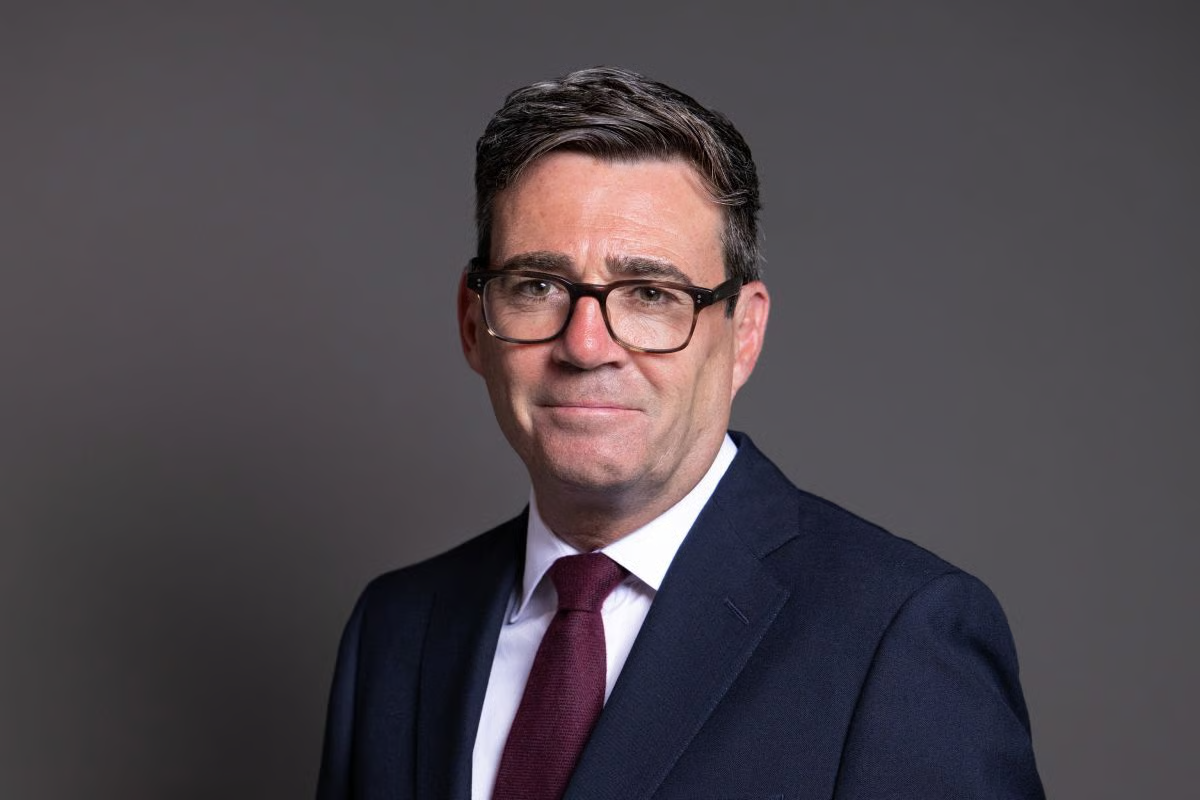
Andy Burnham’s political career has taken one of the most remarkable turns in recent British history. After nearly a decade leading Greater Manchester as its mayor, and two earlier unsuccessful bids for the Labour leadership, Burnham completed a dramatic return to Westminster in the summer of 2026, culminating in his appointment as Prime Minister of the United Kingdom.
This article covers his political career, his years as mayor, and the events that led to his rise to Downing Street.
Who Is Andy Burnham?
Andrew Murray Burnham is a British Labour and Co-operative politician born on January 7, 1970, in Aintree, Lancashire. He served as a Member of Parliament for Leigh from 2001 to 2017, held several UK cabinet positions under Gordon Brown, and served as the first directly elected Mayor of Greater Manchester from 2017 until his return to national politics in 2026.
In July 2026, Burnham was confirmed as leader of the Labour Party and became the United Kingdom’s Prime Minister, succeeding Sir Keir Starmer.
Quick Facts Table
| Detail | Information |
|---|---|
| Full Name | Andrew Murray Burnham |
| Date of Birth | January 7, 1970 |
| Birthplace | Aintree, Lancashire, England |
| Party | Labour and Co-operative Party |
| Education | Fitzwilliam College, Cambridge (MA, English) |
| Prior Role | Mayor of Greater Manchester (2017–2026) |
| Current Role | Prime Minister of the United Kingdom (since July 2026) |
| Spouse | Marie-France van Heel |
Early Life and Education
Andy Burnham was born in Aintree, Lancashire, and raised in Culcheth, Cheshire. He joined the Labour Party at age 14 in 1984 and went on to study English at Fitzwilliam College, Cambridge, where he met his future wife, Marie-France van Heel, a fellow student from the Netherlands.
After graduating, Burnham briefly worked in journalism before becoming a researcher for MP Tessa Jowell and later an adviser to then-Culture Secretary Chris Smith, laying the groundwork for his own political career.
Andy Burnham’s Early Political Career
Entering Parliament
Burnham was elected to Parliament in 2001, representing Leigh, a constituency near his hometown, a seat he would go on to hold for 16 years.
Cabinet Positions Under Gordon Brown
When Gordon Brown became prime minister in 2007, Burnham was promoted into the cabinet, holding several senior positions:
- Chief Secretary to the Treasury (2007–2008)
- Secretary of State for Culture, Media and Sport (2008–2009)
- Secretary of State for Health (2009–2010)
Life in Opposition
Following Labour’s loss of power in 2010, Burnham remained a prominent figure within the party, contesting the Labour leadership twice, in 2010 and 2015, without success on either occasion. He went on to hold senior shadow cabinet roles, including Shadow Health Secretary and later Shadow Home Secretary under Jeremy Corbyn.
Early Career Timeline Table
| Role | Period |
|---|---|
| MP for Leigh | 2001–2017 |
| Chief Secretary to the Treasury | 2007–2008 |
| Culture Secretary | 2008–2009 |
| Health Secretary | 2009–2010 |
| Shadow Health Secretary | 2011–2015 |
| Shadow Home Secretary | 2015–2016 |
Becoming Mayor of Greater Manchester
In May 2017, Andy Burnham was elected as the first directly elected Mayor of Greater Manchester, winning with a substantial majority. He was subsequently re-elected in both 2021 and 2024, serving nearly nine years in the role before returning to national politics.
Building a Regional Political Brand
As mayor, Burnham became closely associated with several major regional initiatives, including:
- The Bee Network, an integrated, London-style public transport system for Greater Manchester
- Efforts to tackle homelessness across the region
- The Greater Manchester Good Employment Charter, aimed at improving workplace standards
- The region’s Culture Strategy, launched in 2019
Earning the “King of the North” Nickname
Burnham’s national profile grew significantly during the COVID-19 pandemic, when he publicly clashed with the UK government over financial support for Greater Manchester and other northern regions during lockdown restrictions. The standoff earned him the nickname “King of the North” and established him as one of the most recognizable regional leaders in the country.
The Path Back to Westminster
Labour’s Difficult 2026
In May 2026, the Labour Party suffered a sweeping defeat in local and regional elections, intensifying pressure on then-Prime Minister Keir Starmer’s leadership. In the aftermath, Andy Burnham emerged as one of the most talked-about potential challengers, despite not holding a seat in Parliament at the time.
Winning the Makerfield By-Election
To return to the House of Commons, a by-election was arranged in Makerfield, a constituency in northwestern England, after Burnham ally Josh Simons resigned his seat. On June 19, 2026, Burnham won the by-election, defeating a candidate from the right-wing populist party Reform UK, using the campaign slogan “for us.”
Starmer’s Resignation and Burnham’s Leadership Win
Just days after Burnham’s by-election victory, Keir Starmer announced he would step down as prime minister. Other potential leadership contenders, including Wes Streeting, opted to back Burnham rather than contest the leadership themselves, and Burnham secured nominations from 379 of the party’s 403 MPs.
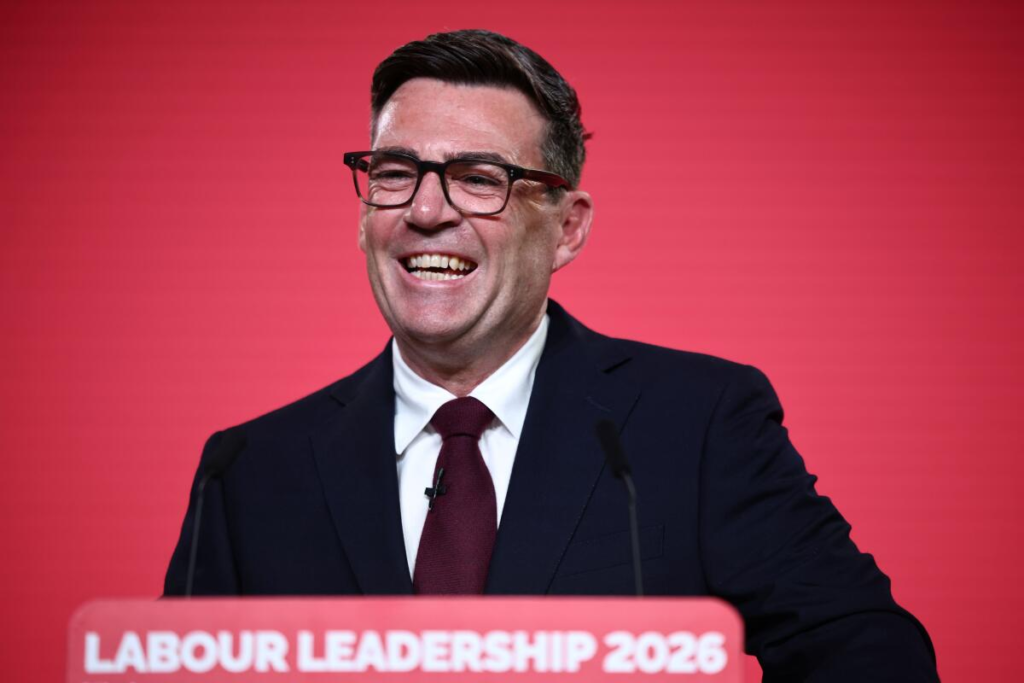
On July 17, 2026, Andy Burnham was formally confirmed as leader of the Labour Party at a special party conference, and he was appointed Prime Minister on July 20, 2026, succeeding Keir Starmer.
Path to Downing Street Table
| Date | Event |
|---|---|
| May 2026 | Labour suffers heavy losses in local elections |
| June 19, 2026 | Burnham wins Makerfield by-election |
| Late June 2026 | Keir Starmer announces resignation |
| July 17, 2026 | Burnham confirmed as Labour leader |
| July 20, 2026 | Burnham appointed Prime Minister |
Burnham’s Early Message as Prime Minister
In his first speech as Labour leader, Burnham pledged to build “a new politics” for Britain and described himself as a leader “for all” of the country. He spoke about wanting to restore hope for people in “forgotten places everywhere” and framed his leadership as a direct response to growing support for Reform UK, the right-wing populist party that has led national opinion polls for months.
Burnham inherits a challenging political and economic environment, including a sluggish economy, cost-of-living pressures linked to ongoing international conflicts, and strained public services, many of the same issues that shaped criticism of his predecessor’s tenure.
Personal Life
Andy Burnham married Marie-France van Heel, whom he met at Cambridge, in 2000. The couple has three children together. Burnham has also spoken publicly about his Roman Catholic faith throughout his career, including praising Pope Francis, whom he met in 2023, while also publicly calling on the Catholic Church to reverse its opposition to same-sex marriage.
Why Andy Burnham’s Rise Continues to Draw Attention
Several factors make his political trajectory one of the most closely watched stories in British politics:
- A rare return to frontline politics after building a powerful regional platform outside Westminster
- Broad party support, securing an overwhelming majority of Labour MP nominations
- A distinct, more relaxed communication style, often contrasted with his predecessor’s approach
- The scale of the challenge ahead, including competition from Reform UK and ongoing economic pressures
FAQs About Andy Burnham
1. How did Andy Burnham become Prime Minister? He won a by-election to return to Parliament in June 2026, was confirmed as Labour Party leader in July 2026 after Keir Starmer’s resignation, and was subsequently appointed Prime Minister.
2. What was Andy Burnham’s role before becoming Prime Minister? He served as Mayor of Greater Manchester from 2017 to 2026, following an earlier career as a Member of Parliament and cabinet minister.
3. Why is Andy Burnham known as the “King of the North”? The nickname stems from his public clashes with the UK government over financial support for northern England during the COVID-19 pandemic.
4. Did Andy Burnham run for Labour leadership before 2026? Yes, he previously contested the Labour leadership in both 2010 and 2015, without success on either occasion.
5. What challenges does Andy Burnham face as Prime Minister? He faces a sluggish economy, cost-of-living pressures, strained public services, and strong competition from the right-wing populist party Reform UK.
Conclusion
Andy Burnham’s political journey, from a young Labour Party member in Lancashire to Prime Minister of the United Kingdom, reflects one of the more unusual and closely watched paths in modern British politics. His years building a powerful regional profile in Greater Manchester ultimately became the foundation for a national comeback few had predicted just months earlier.
As he begins his tenure as Prime Minister, Andy Burnham now faces the task of translating his regional popularity into a national mandate, all while navigating a political landscape shaped by economic pressure and rising competition from Reform UK.

