



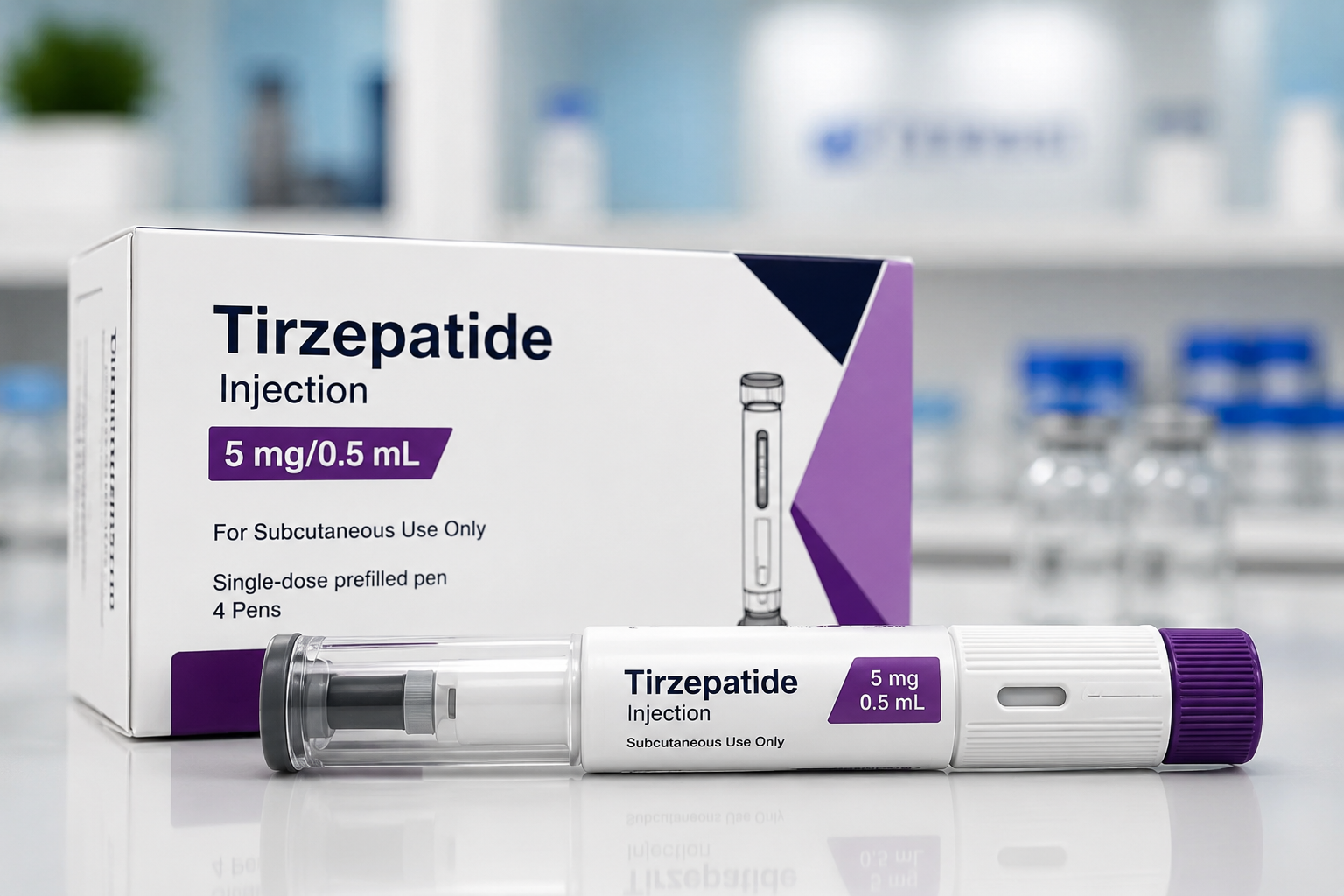
What is Tirzepatide?
Tirzepatide is a novel medication specifically designed for the treatment of type 2 diabetes as well as aiding in weight management. Developed by Eli Lilly, this drug represents a groundbreaking advancement in the realm of diabetes care. It operates as a dual incretin agonist, which means it activates two key receptors in the body: the glucagon-like peptide-1 (GLP-1) receptor and the glucose-dependent insulinotropic polypeptide (GIP) receptor. This dual action significantly enhances its therapeutic benefits over traditional glucose-lowering agents.
The mechanism of action for tirzepatide is fundamentally centered around its ability to stimulate insulin secretion in response to food intake while simultaneously inhibiting glucagon release. This coordinated response aids in better regulation of blood glucose levels, particularly after meals. By mimicking the natural incretin hormones that the body typically produces in response to food, tirzepatide facilitates a more efficient transfer of glucose into the cells, thus reducing hyperglycemia, a common challenge faced by individuals with type 2 diabetes.
Moreover, tirzepatide plays a critical role in appetite regulation, which is beneficial for weight loss. Through its effects on GIP and GLP-1 receptors, it not only improves glucose metabolism but also enhances satiety, leading to reduced food intake. Clinical trials have demonstrated that individuals using tirzepatide experience significant weight loss along with improved glycemic control, making it a dual-purpose agent in managing type 2 diabetes and obesity. Overall, tirzepatide is positioned as a promising option for patients who may struggle to achieve their diabetes and weight management goals with existing therapies.
Clinical Studies and Efficacy of Tirzepatide
Tirzepatide, a novel medication, has emerged as a promising option in the management of type 2 diabetes and weight loss. Several clinical studies have investigated its efficacy, demonstrating significant improvements in glycemic control and body weight reduction among participants.
One of the pivotal trials, known as the SURPASS-2 study, specifically compared tirzepatide with other diabetes medications such as semaglutide. This study included a diverse population of adults with type 2 diabetes, assessing participants over a 40-week period. The results indicated that individuals treated with tirzepatide experienced a remarkable average reduction in HbA1c levels, showcasing enhanced blood sugar control when contrasted with the established therapy. Furthermore, weight loss was notably significant, with many participants losing over 10% of their body weight.
Another crucial study, SURPASS-4, focused on cardiovascular outcomes in patients taking tirzepatide. This trial highlighted that, in addition to improving diabetes markers, tirzepatide appears to have favorable effects on cardiovascular health, portraying its dual benefit as both a diabetes and weight management solution. The study included individuals with pre-existing cardiovascular conditions, providing solid evidence of safety and efficacy in this population.
In comparison to traditional treatments, tirzepatide has shown superior effectiveness in various parameters. For example, in head-to-head comparisons with other GLP-1 receptor agonists, tirzepatide consistently achieved greater reductions in blood glucose and body weight. The combination of its mechanisms — acting on multiple receptors — may contribute significantly to these enhanced results.
Overall, the clinical data supporting tirzepatide reflects its potential as a dual-action therapy in improving diabetes management and facilitating weight loss, further establishing its role in contemporary treatment protocols.
Potential Side Effects and Considerations
As with any medication, understanding the potential side effects associated with tirzepatide treatment is critical for both healthcare providers and patients. In clinical trials, several common adverse events were reported that healthcare professionals should be aware of when prescribing this innovative therapy for diabetes and weight management.
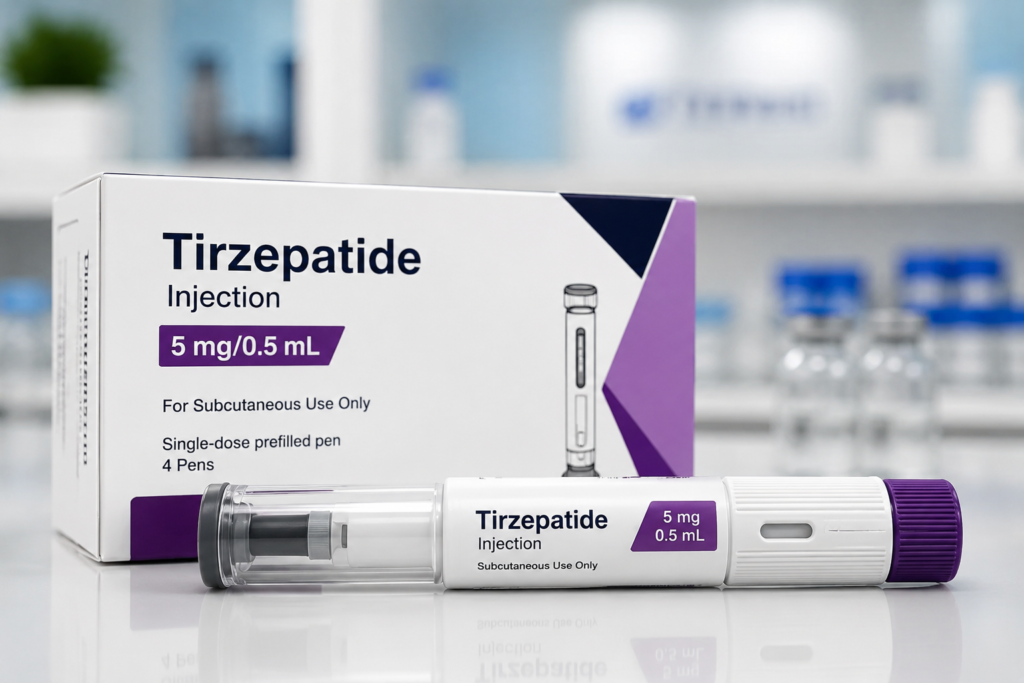
The most frequently observed side effects of tirzepatide include gastrointestinal issues such as nausea, diarrhea, and vomiting. These side effects are often transient and may decrease over time as the patient adjusts to the medication. However, it is important for healthcare providers to monitor these symptoms closely, as they can impact a patient’s adherence to the treatment regimen.
Additionally, tirzepatide has been associated with a potential risk of pancreatitis, prompting clinicians to consider a patient’s history of pancreatic issues before initiating therapy. Other notable adverse events include alterations in renal function and the possibility of significant hypoglycemia, particularly when combined with other glucose-lowering agents. Therefore, patient eligibility should be evaluated with care, focusing on previous health conditions and concurrent medications that may heighten these risks.
Healthcare providers should engage in thorough discussions with patients regarding the importance of reporting any unusual symptoms or side effects during their treatment journey with tirzepatide. Furthermore, regular monitoring of kidney function and blood glucose levels is advised to ensure optimal safety. Education regarding lifestyle modifications, such as dietary changes and exercise, should also accompany tirzepatide therapy to maximize benefits while minimizing any potential risk factors.
In conclusion, while tirzepatide presents a promising option for individuals managing diabetes and weight, understanding its potential side effects and the necessary precautions is essential in optimizing patient outcomes.
The Future of Tirzepatide in Diabetes Treatment
Tirzepatide has emerged as a promising agent in the treatment of diabetes, demonstrating significant potential not only in glycemic control but also in weight management. As research continues to unfold, the future implications of tirzepatide in diabetes treatment could reshape therapeutic approaches. Current studies are exploring its efficacy beyond type 2 diabetes, considering its use in various metabolic disorders such as obesity and hypertension. Given the multifaceted nature of diabetes and its comorbidities, tirzepatide may present a holistic treatment option for patients suffering from multiple metabolic complications.
The ongoing research into tirzeatide is particularly crucial because it aligns well with the current trends in diabetes management. Health professionals are increasingly advocating for integrated care plans that address both glycemic control and weight reduction simultaneously. The unique mechanism of tirzeptide, functioning as a dual GIP and GLP-1 receptor agonist, allows for a multifactorial approach to treatment that places significant emphasis on patient outcomes. Studies have shown that tirzeptide effectively reduces body weight while improving insulin responsiveness, which may help prevent the progression of diabetes-related complications.
Furthermore, as tirzeptide undergoes further clinical trials, there is optimism regarding its potential inclusion in broad treatment protocols. The implications of such integration could be substantial, offering caregivers and patients a more comprehensive toolkit for diabetes management. Enhanced patient outcomes are likely to result from the ability to customize treatment strategies that incorporate tirzeatide. With its promising results, tirzeatide may not only redefine how diabetes is treated but also influence the broader landscape of metabolic healthcare in the years to come.

