



Introduction
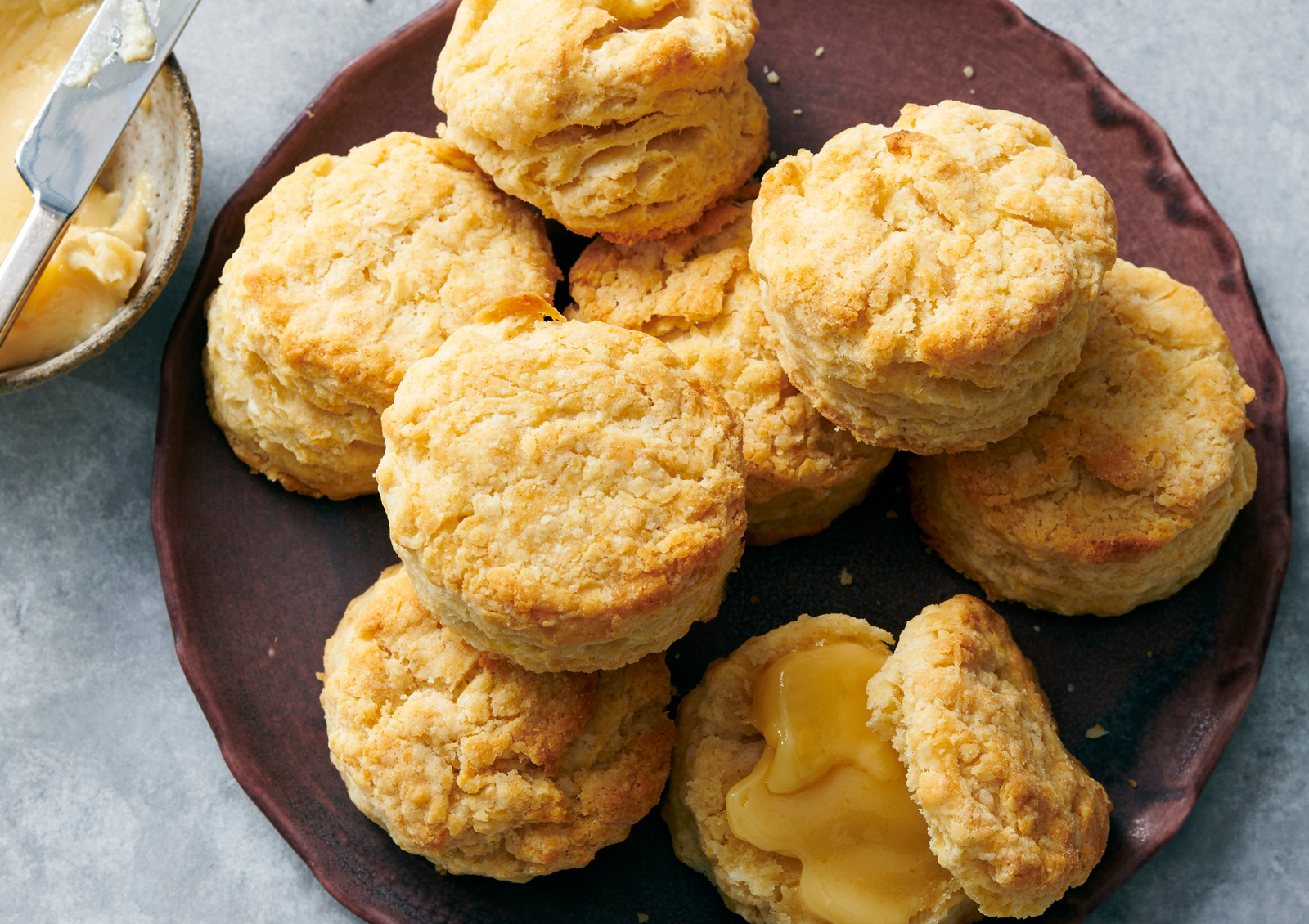
Vegan biscuits have come a long way from the dry, dense reputation plant-based baking once had. Whether you’re grabbing a tube of dough from the grocery store or baking a batch from scratch, today’s vegan biscuits can be just as tall, flaky, and buttery as their traditional counterparts, often without anyone noticing the difference.
This guide covers the best store-bought vegan biscuit brands, essential homemade baking tips, and everything you need to make a genuinely satisfying batch.
A Quick Note on “Biscuits”
In this guide, “Vegan biscuits” refers to the American-style, flaky, savory bread biscuit, the kind served alongside gravy, used for breakfast sandwiches, or enjoyed with a bit of jam. If you’re looking for the British-style biscuit, closer to what Americans call a cookie or cracker, most of the same plant-based baking principles still apply, but the recipes and textures differ significantly.
Store-Bought Vegan Biscuits: What to Look For
Accidentally Vegan Options
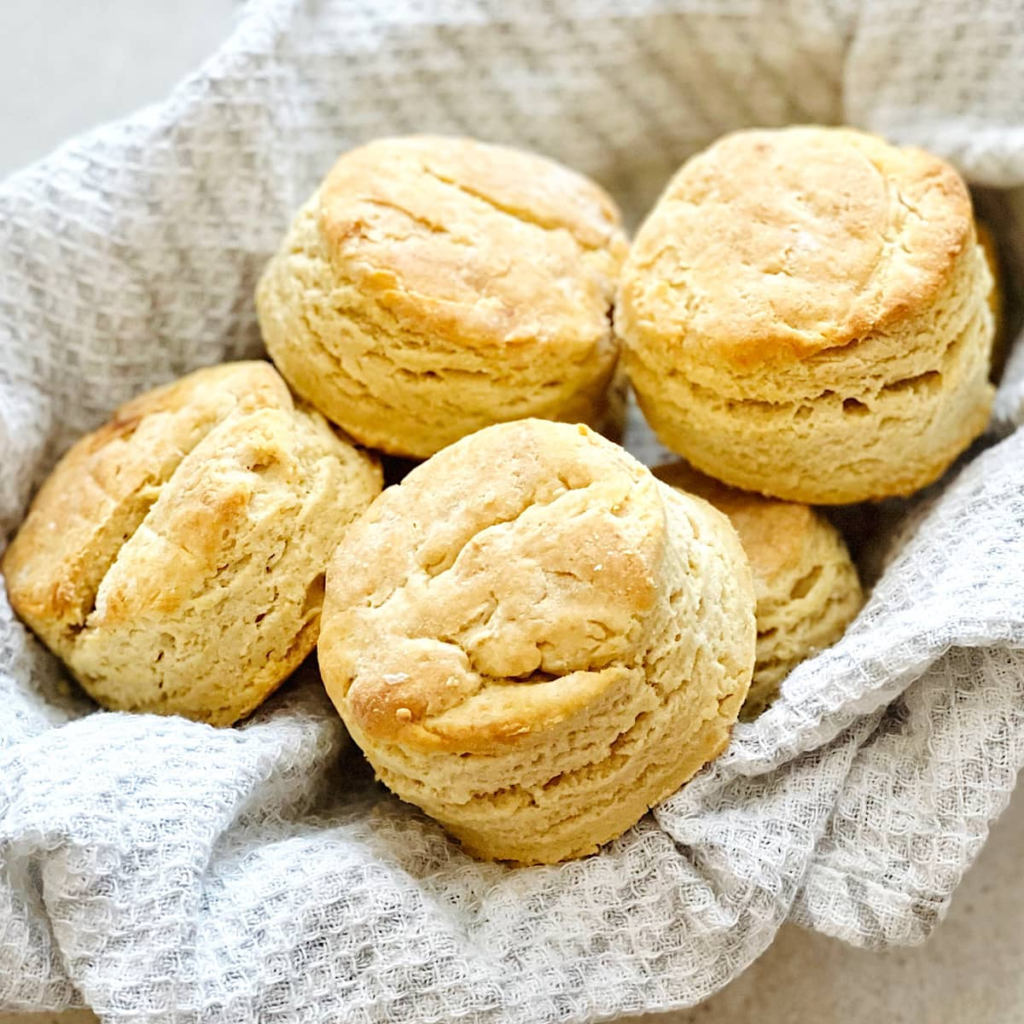
Some popular biscuit brands are either fully vegan or offer accidentally vegan varieties, meaning they don’t intentionally market as plant-based but happen to contain no animal ingredients. Options worth checking include:
- Grands!™ Southern Homestyle Southern Recipe Biscuits
- Grands!™ Southern Homestyle Buttermilk Biscuits (check current formulation)
- Annie’s Organic Flaky Biscuits
- Immaculate Organic Flaky Biscuits
- Bisquick Mix (for homemade biscuits using a mix)
Always Check the Label
Even with “accidentally vegan” products, formulations can change over time, so it’s worth double-checking the ingredient label each time you shop, particularly for hidden dairy ingredients like buttermilk, skimmed milk, or powdered milk, which often appear in biscuit mixes without obviously signaling “dairy” in the product name.
Common Non-Vegan Ingredients to Watch For
| Ingredient | Why It’s Used | Vegan Alternative |
|---|---|---|
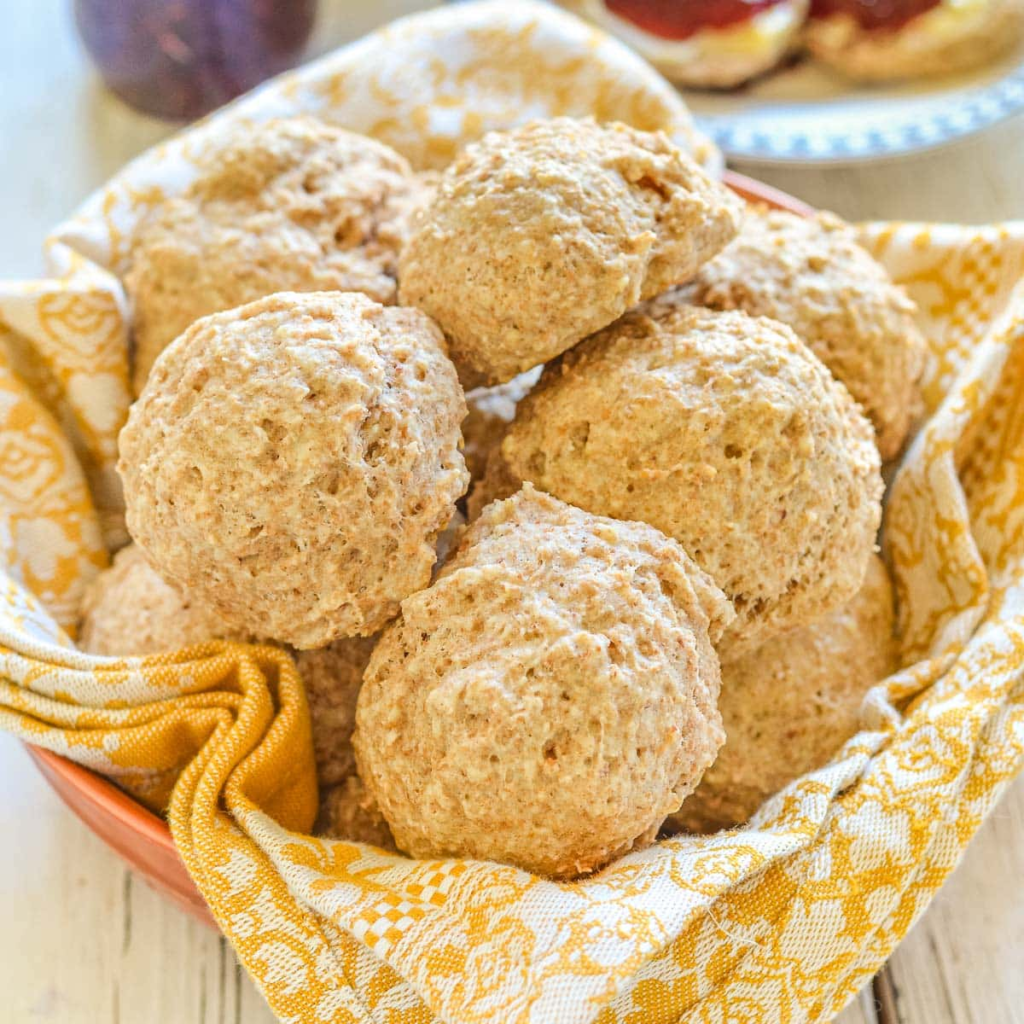
| Buttermilk | Adds tang and tenderness | Plant milk + vinegar or lemon juice |
| Butter | Creates flaky layers | Cold vegan butter (block, not tub) |
| Milk or Cream | Adds richness | Soy, almond, or oat milk |
| Eggs (in some recipes) | Adds structure | Often omitted or replaced with plant milk |
How to Make Vegan Biscuits From Scratch
The Core Ingredients
A basic vegan biscuit recipe typically requires just a handful of ingredients:
- All-purpose flour
- Cold vegan butter (block form preferred)
- Baking powder and baking soda
- Non-dairy milk
- A splash of lemon juice or vinegar (to create a vegan “buttermilk”)
- A pinch of salt and, optionally, a touch of sugar
Step-by-Step Basic Method
- Make your vegan buttermilk by combining non-dairy milk with a tablespoon of lemon juice or vinegar, then let it sit for a few minutes to curdle slightly
- Cut cold vegan butter into the dry ingredients using a pastry cutter or your fingertips, until the mixture resembles coarse crumbs
- Gently fold in the vegan buttermilk, mixing just until the dough comes together, avoid overmixing
- Pat the dough out gently, without a rolling pin, to about 1-inch thickness
- Cut out biscuits using a round cutter, pressing straight down without twisting
- Bake until golden, typically around 400–450°F (200–230°C) for 12 to 15 minutes
- Brush the tops with melted vegan butter immediately after baking for a golden, buttery finish
The Secrets to Flaky, Fluffy Vegan Biscuits
Keep Everything Cold
The single most important factor in achieving flaky layers is temperature. Cold vegan butter creates small pockets of fat that melt during baking, producing steam that separates the dough into flaky layers. Warm butter blends into the flour instead, resulting in a denser, less flaky texture.
Choose the Right Vegan Butter
Block-style vegan butter tends to produce better results than tub-style spreads, since tubs often contain added water that can throw off the dough’s texture. Firmer butter brands tend to yield flakier, taller biscuits compared to softer varieties.
Pick the Right Non-Dairy Milk
Soy milk is often recommended as the closest match to traditional buttermilk, thanks to its higher protein content, which helps build structure and tenderness. Unsweetened almond milk and oat milk also work well as alternatives.
Don’t Overwork the Dough
Handling the dough too much develops gluten, leading to tough, dense biscuits rather than light, flaky ones. Mix just until the ingredients come together, and avoid using a rolling pin, patting the dough gently by hand is usually recommended instead.
Baking Tips Summary Table
| Tip | Why It Matters |
|---|---|
| Use cold vegan butter | Creates flaky, layered texture |
| Choose block butter over tub | Avoids excess water affecting texture |
| Use soy milk for buttermilk | Closely mimics traditional buttermilk structure |
| Avoid overmixing | Prevents tough, dense biscuits |
| Cut straight down, don’t twist | Helps biscuits rise evenly |
Storing and Freezing Vegan Biscuits
Homemade vegan biscuits store well with a bit of planning:
- Room temperature: Store in an airtight container for up to a few days
- Refrigerator: Keeps well for up to two weeks in an airtight container
- Freezer: Baked biscuits can be frozen in a freezer-safe container for up to six months
For the best texture after freezing, reheating in an oven rather than a microwave helps preserve the flaky layers.
Creative Ways to Use Vegan Biscuits
Once you’ve got a batch of vegan biscuits ready, they’re incredibly versatile beyond simply serving them plain:
- Breakfast sandwiches, filled with plant-based sausage, egg substitute, and vegan cheese
- Biscuit-topped pot pie, using quartered biscuits baked directly on top of a vegetable filling
- Vegan doughnuts, made from canned biscuit dough, oil, cinnamon, and sugar
- Biscuits and gravy, paired with a plant-based sausage gravy for a classic Southern-style breakfast
Why Vegan Biscuits Continue Growing in Popularity
Several factors explain the rising demand for plant-based biscuit options:
- Improved recipes and techniques, closing the gap between vegan and traditional biscuits in taste and texture
- Wider availability of quality vegan butter and non-dairy milk, making home baking easier than ever
- Growing demand in food service, with plant-forward restaurants increasingly featuring scratch-made vegan biscuits on brunch menus
- More accessible store-bought options, including both accidentally vegan products and dedicated plant-based brands
FAQs About Vegan Biscuits
1. What is the best non-dairy milk for vegan biscuits? Soy milk is generally considered the best option, since its higher protein content helps create structure similar to traditional buttermilk.
2. Can store-bought biscuits be vegan? Yes, several popular brands are either fully vegan or “accidentally vegan,” though it’s important to check the ingredient label each time, since formulations can change.
3. What makes vegan biscuits flaky? Using cold, block-style vegan butter and avoiding overworking the dough are the two most important factors for achieving flaky, layered biscuits.
4. Can I freeze homemade vegan biscuits? Yes, baked vegan biscuits can be frozen in an airtight, freezer-safe container for up to six months.
5. Do vegan biscuits taste different from regular biscuits? When made with the right ingredients and techniques, most people find vegan biscuits nearly indistinguishable from traditional dairy-based biscuits in both taste and texture.
Conclusion
Vegan biscuits have firmly moved past their once-dry reputation, offering the same tall, flaky, buttery satisfaction as traditional biscuits, whether you’re grabbing a convenient store-bought option or baking a batch from scratch. With the right ingredients, particularly cold vegan butter and a good non-dairy milk, achieving bakery-quality results at home is more achievable than ever.
Whether you’re vegan, dairy-sensitive, or just curious, a good vegan biscuit recipe or store-bought pick is well worth adding to your regular baking rotation.

