



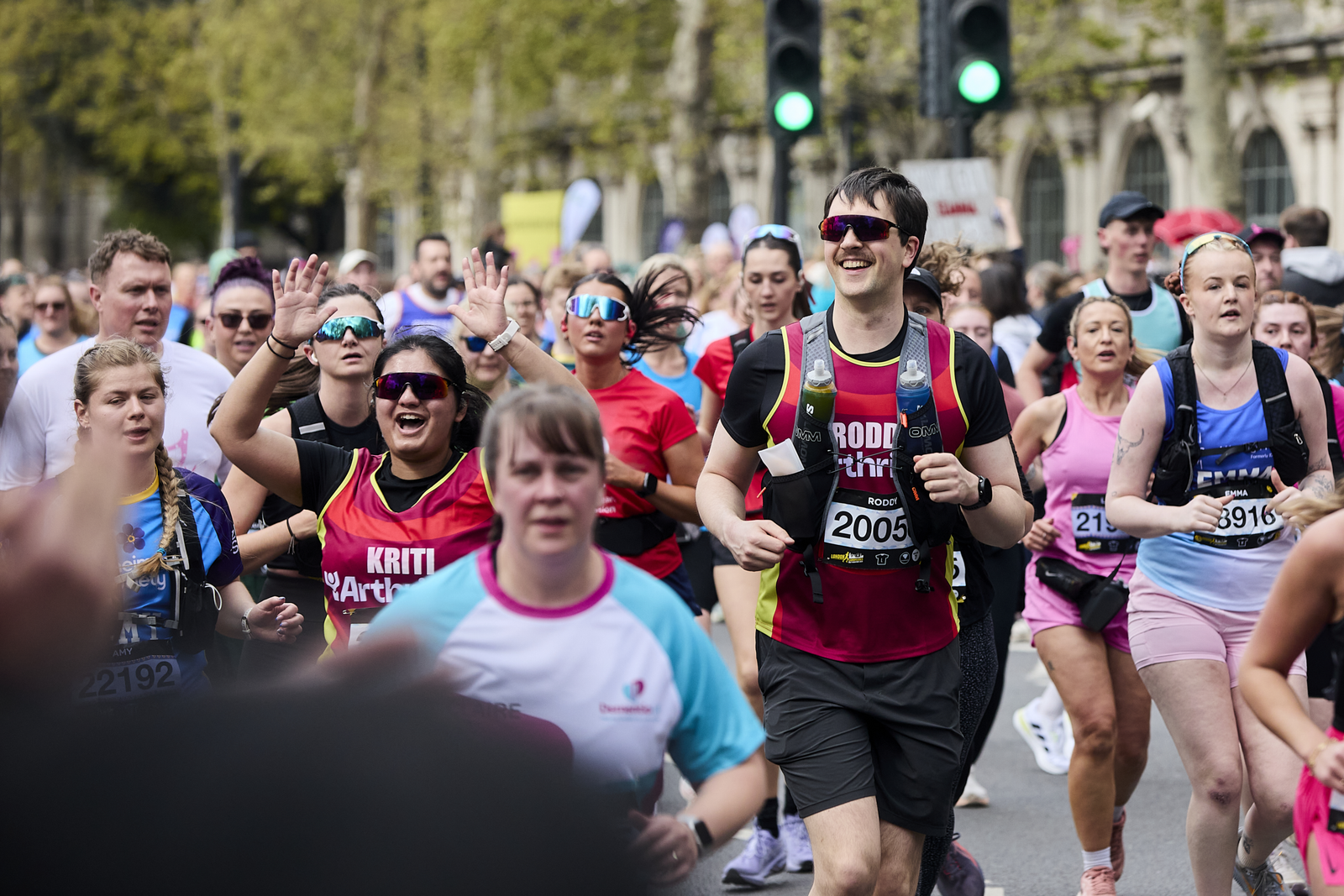
Introduction to the Royal Parks Half Marathon
The Royal Parks Half Marathon is a celebrated annual event that takes runners through some of London’s most scenic and historic parks. Established in 2008, the marathon was created to promote fitness and well-being while simultaneously raising funds for various charities. This event not only serves as a running challenge but also as a platform for participants to engage with the natural beauty of the city.
Over the years, the Royal Parks Half Marathon has seen tremendous growth in participation. What began as a modest gathering of passionate runners has evolved into one of the largest half marathons in the UK, drawing thousands of entrants each year. The event takes place in October, marking the transition into autumn, when the parks display breathtaking foliage that adds to the overall experience. Runners traverse through famous green spaces including Hyde Park, Kensington Gardens, and St. James’s Park, showcasing the perfect blend of nature and urban environment.
One of the distinct elements that sets the Royal Parks Half Marathon apart from other marathon events is its commitment to sustainability. The organizers strive to minimize the environmental impact of the race by incorporating green practices, encouraging participants to make eco-conscious choices, and promoting a message of preservation for the parks used during the event. Thus, the Royal Parks Half Marathon not only focuses on physical fitness but also raises awareness about environmental stewardship.

The race has carved a niche in the running community, fostering a spirit of camaraderie among participants, whether they are seasoned runners or first-time entrants. This diverse atmosphere enhances the overall experience, making the marathon a significant occasion for both competitive and recreational athletes alike.
The Course: Scenic Views and Challenging Paths
The Royal Parks Half Marathon offers a unique experience for runners, taking them through some of London’s most picturesque landscapes. The course is designed to inspire and challenge participants with a blend of scenic views and varying terrain. Runners will have the opportunity to traverse several iconic parks, including Hyde Park, Kensington Gardens, and Green Park, all of which are known for their lush greenery and tranquil surroundings.
As participants weave through these historical sites, they are greeted by stunning vistas that reflect the natural beauty of the city. Notable landmarks such as the Serpentine Lake in Hyde Park, the Albert Memorial in Kensington Gardens, and the vibrant foliage of St. James’s Park create a visually arresting backdrop that motivates and invigorates runners throughout the event.
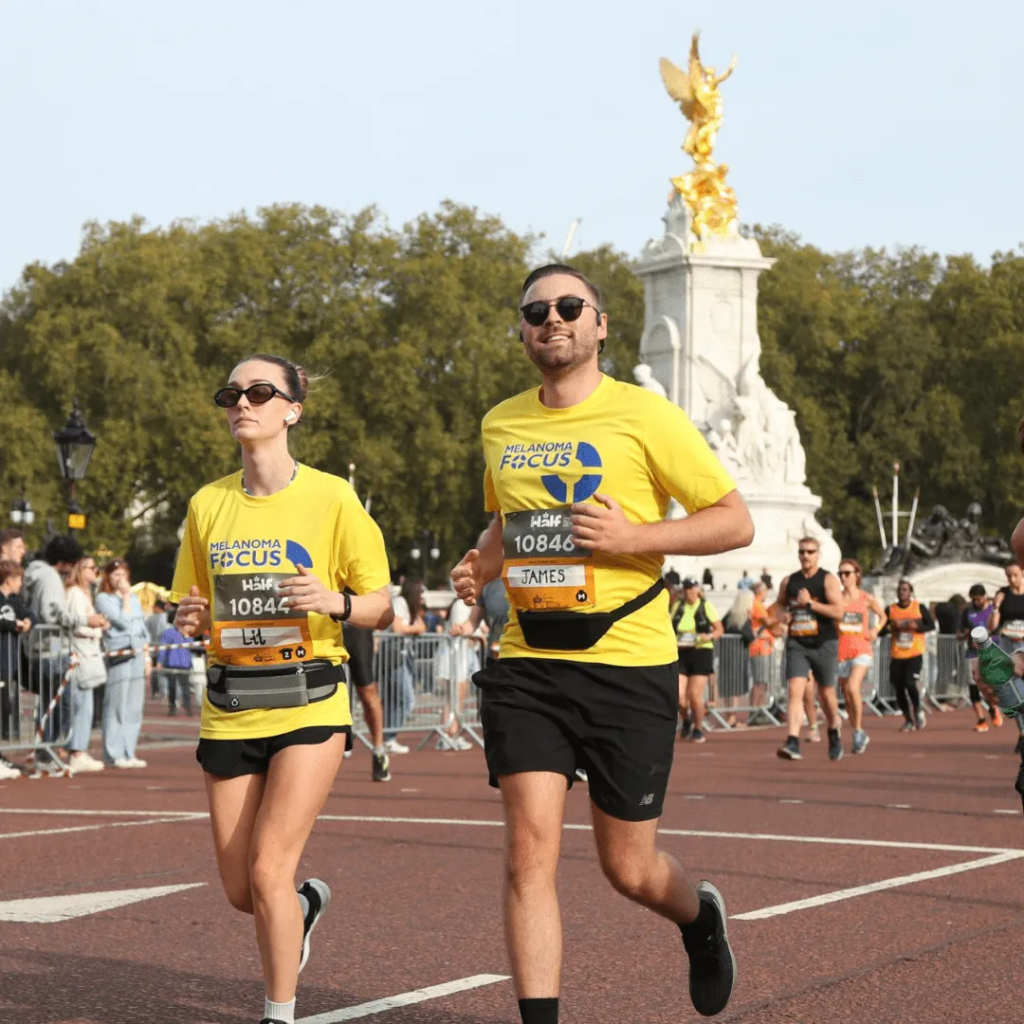
While the course is designed to be welcoming to runners of varying abilities, it does include some challenging elements that require adequate preparation. The terrain can vary from flat, well-maintained paths to sections that may feature mild inclines or uneven surfaces. To successfully navigate the Royal Parks Half Marathon, participants should consider incorporating hill training and varied surface runs into their preparation regimen. This training approach will enhance stamina and improve overall performance, ensuring that runners are ready to tackle the different aspects of the course.
Moreover, the atmosphere during the event contributes significantly to the experience. Enthusiastic spectators, local bands, and cheering supporters create an electric ambiance, making the hard work and training worth it. As runners immerse themselves in the sights, sounds, and emotions of the Royal Parks Half Marathon, they embrace both the challenge and joy that come with completing this remarkable race.
Participating in the Royal Parks Half Marathon: Preparation and Training
Preparing for the Royal Parks Half Marathon requires a structured approach to training, ensuring that both beginners and seasoned runners can perform their best on race day. One of the fundamental components of a successful training regimen is establishing a consistent running schedule, typically spanning 12 to 16 weeks. This timeline allows your body to gradually adapt to increased mileage and intensity while minimizing the risk of injury.
For those new to the half marathon distance, starting with a solid base is crucial. A recommended weekly mileage for beginners might start around 10–15 miles, gradually increasing as confidence and stamina build. Incorporating a long run each week, progressively lengthening to 10 to 12 miles, can be helpful. Conversely, more experienced runners may aim for weekly totals of 25–40 miles, including interval training and tempo runs to enhance speed and endurance.
Nutrition plays a pivotal role in training for the Royal Parks Half Marathon. A diet rich in carbohydrates, lean proteins, and healthy fats fuels the body effectively during both training sessions and on race day. Hydration should not be overlooked; ensuring adequate fluid intake before, during, and after runs is essential for optimal performance. Furthermore, experimenting with different fuels like energy gels or snacks during long runs can help determine what works best for individual needs.
Investing in proper gear is another critical aspect of preparation. Quality running shoes designed for your foot type and gait can make a significant difference, preventing discomfort and injury during training and the race. Additionally, appropriate clothing that is breathable and moisture-wicking enhances comfort during runs.
Mental preparation contributes significantly to success in the Royal Parks Half Marathon. Setting realistic goals, employing visualization techniques, and developing positive self-talk strategies can boost confidence. As race day approaches, tapering your training is advisable to allow the body to recover and store energy effectively, ensuring a strong performance on race day.
The Community Aspect and Charity Involvement
The Royal Parks Half Marathon not only serves as a platform for runners to achieve personal fitness goals but also reinforces the importance of community engagement and charitable contributions. Numerous charities are affiliated with this event, allowing participants to make significant impacts through their involvement. Runners can choose to fundraise for charities that resonate with them, adding a deeper layer of meaning to their marathon experience.
Each year, the Royal Parks Half Marathon supports a variety of causes, from health and wellbeing to environmental sustainability. This connection between athletics and charity fosters a community spirit, as runners collaborate to raise awareness and funds for these vital organizations. Participants often share their personal motivations for supporting their chosen charities, creating a tapestry of stories that inspire others and highlight the event’s social significance.
Several testimonials illustrate how involvement in the Royal Parks Half Marathon has transformed lives. Individuals share their journeys of overcoming obstacles, whether they are related to health, recent challenges, or the desire to give back to the community. The emotional connections formed during training and race day contribute to a sense of belonging, while the collective effort to support charitable initiatives strengthens community ties.
Moreover, the event promotes a culture of healthy lifestyles and physical activity. By encouraging people to engage in running, the Royal Parks Half Marathon advocates for wellness and fitness within the community. Through training groups and workshops, participants often meet new friends, forming bonds that extend beyond the race. This camaraderie fosters a supportive environment that nurtures both physical health and social connectivity.
In conclusion, the Royal Parks Half Marathon exemplifies how community involvement and charity can converge to create a positive impact. Through individual stories, shared experiences, and a commitment to health, this event transforms not only the lives of the participants but also the broader community.

