



Introduction
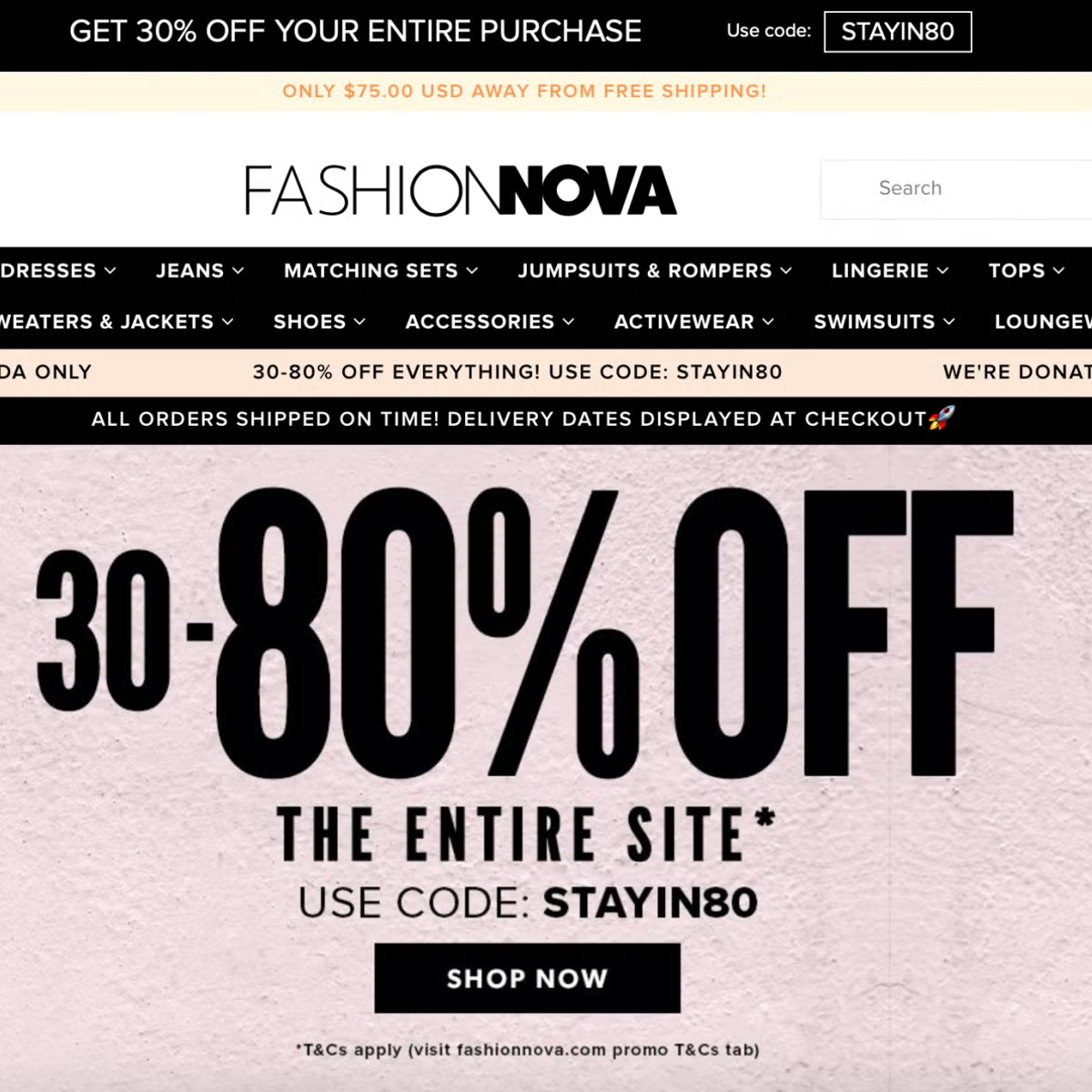
Fashion Nova built one of the most recognizable names in fast fashion largely without relying on traditional advertising, instead turning Instagram influencers and rapid weekly product drops into a multi-billion-dollar business. Two decades after opening its first Los Angeles storefront, the brand remains one of the most-searched fashion names online, even as it navigates a more competitive and challenging retail landscape in 2026.
This guide covers Fashion Nova’s history, its business model, and where the company stands today.
Quick Facts About Fashion Nova
| Detail | Information |
|---|---|
| Founded | 2006, Los Angeles, California |
| Founder & CEO | Richard Saghian |
| Headquarters | California |
| Business Type | Fast fashion e-commerce retailer |
| E-commerce Launch | 2013 |
| Ownership | Privately held, founder-controlled |
| Estimated 2026 Revenue | ~$2.5 billion |
| Social Media Following | 40+ million followers |
The Founding of Fashion Nova
Fashion Nova was founded in 2006 by Richard Saghian, who launched the brand from a single retail location in Los Angeles after gaining early experience in his family’s clothing business. Rather than bringing in outside investors, Saghian retained full ownership of the company from the start, a structure that has remained unchanged through two decades of growth. As of 2026, Fashion Nova continues to operate without institutional investors, private equity backing, or outside shareholders.

After growing through multiple physical store openings, Saghian launched Fashion Nova’s e-commerce website in 2013, a pivotal move that would eventually transform the brand from a regional retailer into a global online fashion powerhouse.
The Business Model Behind Fashion Nova’s Growth
Influencer-Driven Marketing at Scale
Fashion Nova‘s most distinctive strategy has been its approach to marketing. Rather than investing heavily in a small number of celebrity endorsements, the brand built its visibility by partnering with thousands of micro and nano-influencers, flooding social media with organic-feeling content rather than traditional advertising. This approach helped the company achieve 600% growth in 2017 and become Google’s most-searched fashion brand in 2018.
Rapid Product Drops
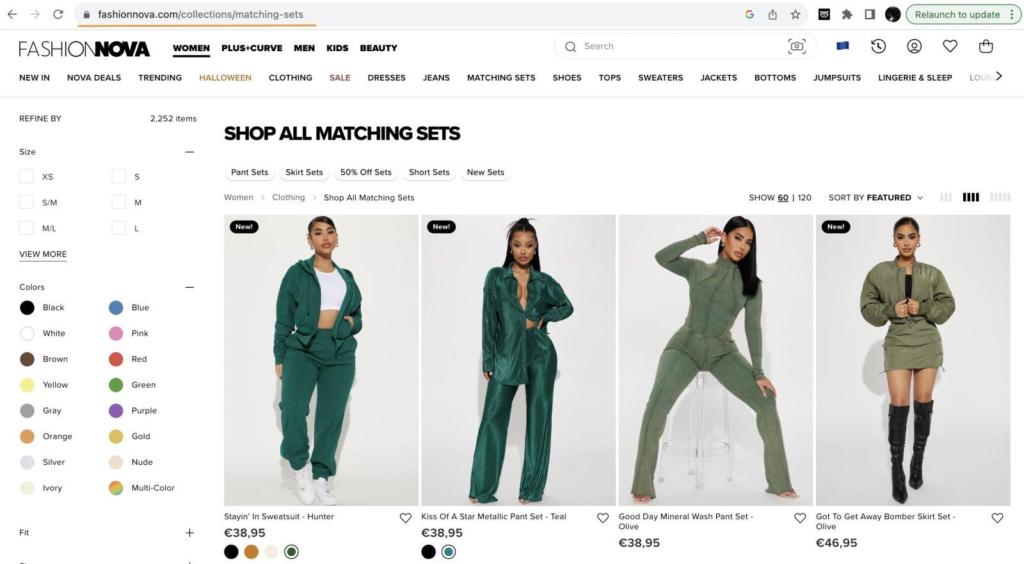
Central to Fashion Nova’s operations is an extremely fast product cycle, with the company reportedly releasing between 600 and 1,000 new items weekly. This constant stream of new inventory keeps the brand’s social media presence active and gives shoppers a steady reason to keep checking back, a strategy closely tied to broader “ultra-fast fashion” trends in the retail industry.
A Direct-to-Consumer Focus
Fashion Nova has built its business almost entirely around direct-to-consumer e-commerce, using first-party data collection and social commerce to convert social media attention directly into website traffic and purchases, rather than relying on wholesale distribution through third-party retailers.
Business Model Table
| Strategy | Description |
|---|---|
| Influencer Marketing | Thousands of micro/nano-influencer partnerships |
| Rapid Product Drops | 600–1,000 new items released weekly |
| Direct-to-Consumer | Sales driven primarily through owned e-commerce channels |
| Size-Inclusive Range | Broad sizing across women’s, men’s, and kids’ categories |
Fashion Nova’s Product Categories
Fashion Nova has expanded well beyond its original women’s apparel focus, now operating across several categories, including:
- Women’s fashion
- Men’s fashion
- Kids’ clothing
- Beauty products
- Footwear and accessories
This category expansion reflects the brand’s broader ambition to become a comprehensive, size-inclusive lifestyle brand rather than a single-category retailer.
Fashion Nova’s Financial Position in 2026
According to available industry estimates, Fashion Nova’s annual revenue for 2026 stands at approximately $2.5 billion, reflecting modest year-over-year growth of around 4.2% compared to 2025. This marks a notable shift from the company’s earlier hypergrowth years, with some industry analysis noting a pause in online sales growth around 2024, followed by signs of improvement toward the end of 2025.
Despite this more measured growth phase, the company has continued to show confidence in its long-term position, including an all-cash purchase of a large new headquarters and continued growth in employee headcount, signals of a company investing through a more competitive retail cycle rather than pulling back
Competitive Landscape
Fashion Nova operates within an increasingly crowded fast fashion market, competing against both fellow fast-fashion players and broader e-commerce retailers. According to business intelligence firm Tracxn, the company faces hundreds of active competitors, with brands like Lulus, Boohoo, and StockX among its more directly comparable rivals.
While Fashion Nova remains a leading name in U.S. online fast fashion, industry analysis suggests it continues to trail some larger category leaders in overall scale, operating amid intense competition from both ultra-fast fashion rivals and more established omnichannel retailers.
Legal and Regulatory Challenges
Like many large fast-fashion retailers, Fashion Nova has faced legal and regulatory scrutiny in recent years. In June 2025, the company agreed to a $5.15 million settlement in a website accessibility class action lawsuit. Separately, in September 2025, the company was named in a data scraping legal dispute involving a shopping software company, reflecting the kind of regulatory and legal complexity that comes with operating a major e-commerce platform at scale.
Why Fashion Nova Remains a Major Player in Fast Fashion
Several factors continue to define the brand’s ongoing relevance:
- A genuinely influential marketing model, built around scaled influencer partnerships rather than traditional advertising
- Consistent product turnover, keeping the brand active and visible across social platforms
- Strong brand recognition, reflected in its continued status as one of the internet’s most-searched fashion brands
- Sustained founder control, maintaining strategic independence without outside investors
FAQs About Fashion Nova
1. Who owns Fashion Nova? Fashion Nova is privately owned and founder-controlled, with Richard Saghian serving as founder, CEO, and principal owner since the company’s founding in 2006.
2. When did Fashion Nova launch its online store? The company launched its e-commerce website in 2013, several years after opening its first physical Los Angeles retail location in 2006.
3. How much revenue does Fashion Nova generate? Estimated annual revenue for 2026 stands at approximately $2.5 billion, reflecting modest growth compared to the previous year.
4. How often does Fashion Noa release new products? The company reportedly releases between 600 and 1,000 new products weekly, a strategy central to its fast fashion business model.
5. What makes Fashion Noa’s marketing strategy different from other fashion brands? Fashion Noa has relied heavily on partnerships with thousands of micro and nano-influencers rather than traditional advertising or a small number of major celebrity endorsements.
Conclusion
Fashion Noa’s journey from a single Los Angeles storefront to a multi-billion-dollar fast fashion brand reflects a genuinely disruptive approach to retail, built on influencer-driven marketing, rapid product cycles, and a founder-controlled business structure that has remained consistent for two decades. While the company now navigates a more competitive and measured growth phase in 2026, its continued investment in infrastructure and sustained brand recognition suggest it remains a significant force in online fashion retail.

