



Introduction
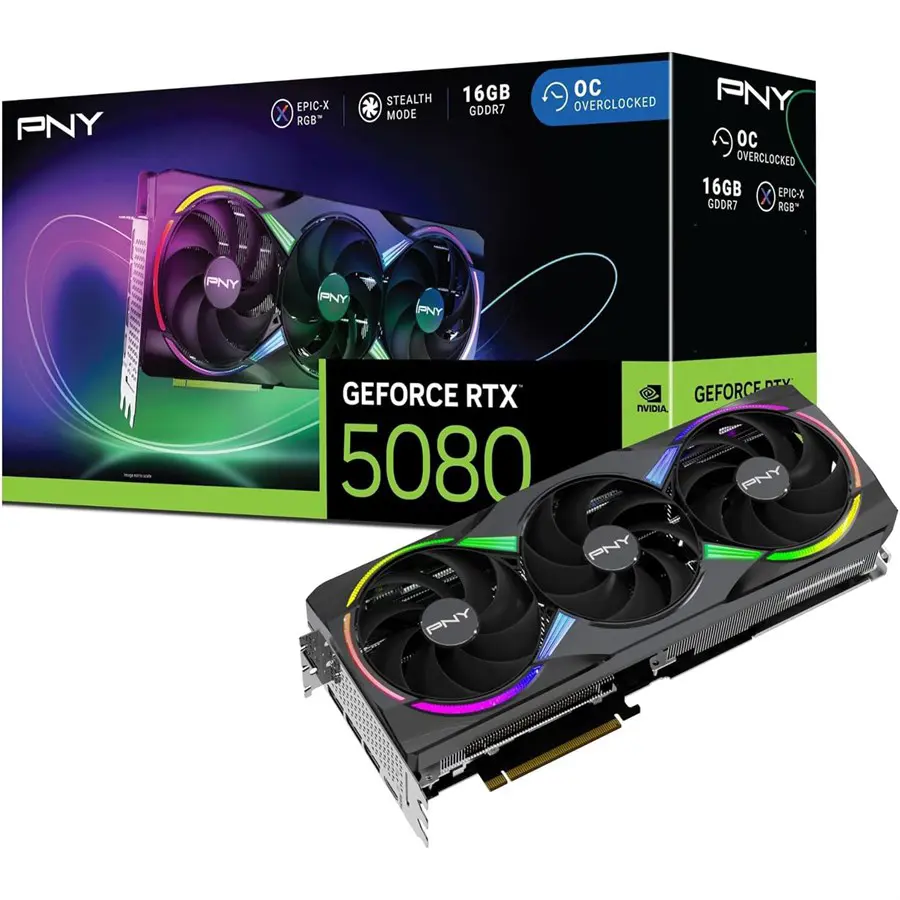
The NVIDIA GeForce RTX 5080 has settled into a clear role in the current graphics card lineup: a genuinely capable 4K gaming GPU priced well below the flagship RTX 5090, without asking buyers to compromise much on performance. Built on NVIDIA’s Blackwell architecture, it brings faster memory, improved ray tracing, and DLSS 4 to a price point many enthusiasts consider the real sweet spot of this generation.
This guide NVIDIA GeForce RTX 5080 full specifications, how it performs in practice, and who should actually consider buying one in 2026.
Quick Facts: NVIDIA GeForce RTX 5080
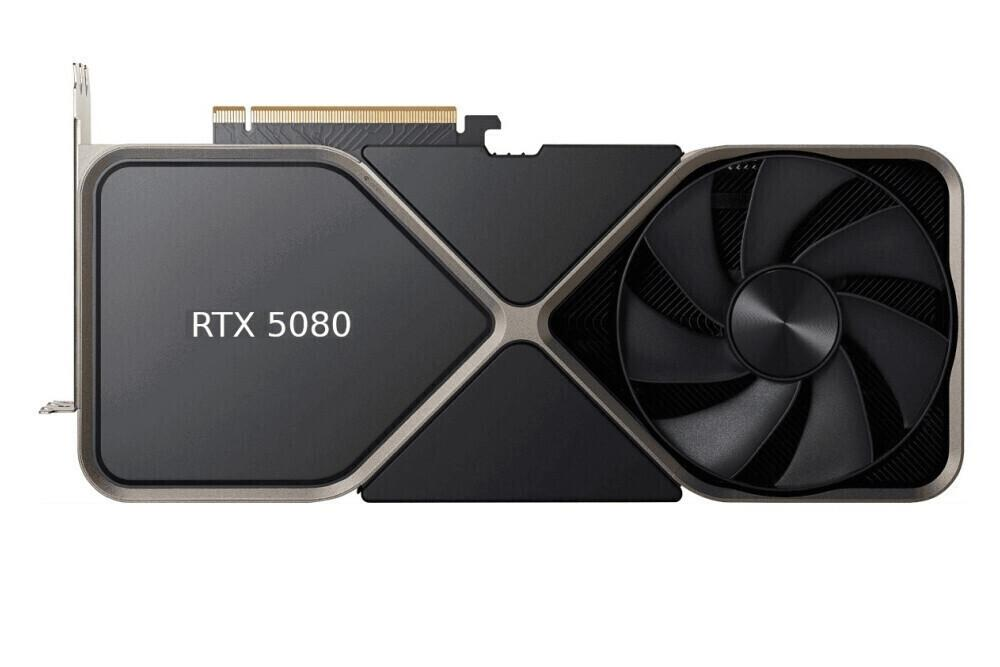
| Specification | Detail |
|---|---|
| Architecture | NVIDIA Blackwell |
| CUDA Cores | 10,752 |
| Memory | 16GB GDDR7 |
| Memory Bus | 256-bit |
| Memory Bandwidth | ~960 GB/s |
| TDP | 360W |
| Recommended PSU | 750W–850W |
| MSRP (Founders Edition) | $999 |
| Launch | Early 2026 |
RTX 5080 Full Specifications
The RTX 5080 sits below the NVIDIA GeForce RTX 5080 current lineup, built around the Blackwell GB203 architecture. Key specs include:
- 10,752 CUDA cores, paired with fourth-generation RT cores for improved ray tracing
- Fifth-generation Tensor cores, powering AI-driven features like DLSS 4
- 16GB of GDDR7 memory on a 256-bit bus, delivering roughly 960 GB/s of memory bandwidth, a meaningful jump over the RTX 4080’s 717 GB/s
- Boost clock speeds in the 2.3–2.62 GHz range
- 360W TDP, requiring either two 8-pin connectors or a single 16-pin (12V-2×6) power connector
A Notable Trade-Off: The Memory Bus
One point worth flagging for enthusiasts: NVIDIA GeForce RTX 5080 256-bit memory bus is technically narrower than some previous 80-series cards, even though the faster GDDR7 memory more than compensates in real-world bandwidth. It’s a detail worth knowing if you’re comparing generation-over-generation specs sheet to specs sheet rather than actual performance.
RTX 5080 Pricing in 2026
NVIDIA GeForce RTX 5080 launched with an official MSRP of $999 for the Founders Edition, matching the RTX 4080 Super’s launch price and coming in $200 below the original RTX 4080. Custom third-party cards from manufacturers like ASUS, MSI, and Gigabyte typically range from around $1,100 to $1,800, depending on cooling design and factory overclocks.
The Gap Between MSRP and Street Price
Since launch, actual retail availability at the $999 MSRP has been inconsistent, with many buyers reporting street prices closer to $1,150–$1,250 due to limited stock. Availability has gradually improved since the card’s early 2026 launch, with prices trending downward over time, though the gap between listed MSRP and real-world pricing remains a genuine factor in the card’s overall value.
Pricing Snapshot Table
| Version | Typical Price |
|---|---|
| Founders Edition (MSRP) | $999 |
| Custom Third-Party Cards | $1,100–$1,800 |
| Common Street Price (2026) | ~$1,150–$1,250 |
How the RTX 5080 Performs
Compared to the RTX 4080 Super
Real-world performance gains over the previous-generation NVIDIA GeForce RTX 5080 Super vary depending on the workload and specific game, with independent testing generally showing improvements somewhere in the range of roughly 10% to 40%, and larger gains typically appearing in titles that take full advantage of DLSS 4 and the card’s improved ray tracing hardware. This means the upgrade case looks different depending on which games and settings matter most to you.
Compared to the RTX 5090
The RTX 5080 generally delivers somewhere in the range of 75–80% of the flagship |NVIDIA GeForce RTX 5080 raw gaming performance, at roughly half the price, a trade-off many reviewers consider one of the stronger value propositions in the current lineup for gamers who don’t need absolute maximum performance.
4K and 1440p Gaming
Independent benchmarks consistently place NVIDIA GeForce RTX 5080 as a strong performer for both native 4K gaming and high-refresh 1440p play, generally delivering smooth frame rates at ultra settings in most current AAA titles, particularly with DLSS 4 and Multi Frame Generation enabled.
DLSS 4 and Software Features
The RTX 5080 supports DLSS 4, NVIDIA GeForce RTX 5080 latest AI-driven upscaling and frame generation technology, alongside Multi Frame Generation, which can significantly boost frame rates in supported titles. NVIDIA has stated it expects more than 75 games to support these newer features by the end of 2026, though actual adoption depends on individual developers implementing the technology, meaning older titles are less likely to receive updates.
The 16GB VRAM Question
One of the more debated aspects of NVIDIA GeForce RTX 5080 is its 16GB VRAM allocation, unchanged from the RTX 4080, which launched back in late 2023. Some reviewers have raised concerns that 16GB may feel increasingly tight for a premium-priced card as newer games continue pushing VRAM usage higher at 4K with maximum texture settings.
What This Means for Buyers
- If your upgrade cycle is roughly two years, the VRAM limitation is unlikely to be a significant issue
- If you plan to keep the card for three to four years or longer, it’s a limitation worth factoring into your decision
- Content creators and AI workflow users working with large models or heavy ComfyUI graphs may find 16GB limiting compared to cards offering 24GB or more
Should You Buy the RTX 5080?
Good Fit For
- RTX 30-series owners, who can expect substantial performance improvements, often in the 40–60% range for RTX 3080/3080 Ti owners specifically
- Buyers wanting strong 4K gaming performance without paying flagship RTX 5090 pricing
- Content creators who benefit from improved encoding and AI-acceleration features
- First-time high-end GPU buyers looking to enter the premium tier at a familiar $999 price point
Consider Waiting or Looking Elsewhere If
- You already own an RTX 4080 or 4080 Super, since the generational improvement may feel incremental depending on your specific games and settings
- You’re budget-conscious, since discounted RTX 4070 Ti Super models may offer better value for less demanding use cases
- You want the absolute best performance available, in which case the RTX 5090 remains the stronger, if significantly pricier, choice
- Heavy VRAM workloads matter to you, particularly for advanced AI or large-scale creative projects
How the RTX 5080 Compares to AMD’s Competition
NVIDIA GeForce RTX 5080 remain the primary competitors at this price tier. Some reviewers note that AMD’s cards offer marginally better raw performance at a lower cost in certain scenarios, making the high-end GPU market genuinely more competitive than it has been in recent years. That said, NVIDIA’s DLSS 4 and broader ray tracing ecosystem remain significant differentiators for many buyers.
Why the RTX 5080 Matters in 2026
Several factors explain why this card has become such a widely discussed option this generation:
- A genuinely strong 4K gaming performer, without flagship-tier pricing
- Meaningful memory bandwidth improvements, thanks to the shift to GDDR7
- Continued DLSS innovation, extending the practical lifespan of the card through software improvements
- A real, competitive alternative to the RTX 5090 for buyers who don’t need absolute maximum performance
FAQs About the NVIDIA GeForce RTX 5080
1. What is the price of NVIDIA GeForce RTX 5080? The official MSRP is $999 for the Founders Edition, though real-world street prices have often ranged from around $1,150 to $1,250 due to limited availability.
2. How much NVIDIA GeForce RTX 5080 have? It includes 16GB of GDDR7 memory on a 256-bit bus, the same VRAM capacity as the RTX 4080, though with significantly higher memory bandwidth.
3. Is the RTX 5080 a good upgrade from the RTX 4080 Super? For most users, the improvement is moderate rather than dramatic, generally in the range of 10–40% depending on the game and settings, so RTX 4080 Super owners may want to weigh their specific needs before upgrading.
4. How does the RTX 5080 compare to NVIDIA GeForce RTX 5080? The RTX 5080 typically delivers around 75–80% of the RTX 5090’s gaming performance at roughly half the price, making it a strong value option for most gamers.
5. What power supply do I need for the RTX 5080? NVIDIA recommends at least a 750W power supply, though some real-world testing suggests an 850W unit provides more stable headroom, particularly in demanding systems.
Conclusion
The NVIDIA GeForce RTX 5080 has established itself as one of the strongest overall value options in the current high-end GPU market, delivering excellent 4K gaming performance, meaningful memory bandwidth improvements, and continued DLSS innovation, all without flagship RTX 5090 pricing. Whether it’s the right upgrade for you ultimately depends on your current hardware, budget, and how much you value the newest ray tracing and AI-driven features.

