



Introduction
The unmanned aerial vehicle, commonly known as a drone, has moved well beyond its early reputation as a hobbyist gadget or military tool. Today, UAVs support everything from package delivery and infrastructure inspection to agriculture and emergency response, backed by an evolving regulatory framework designed to keep the skies safe as adoption grows.
This guide covers what an unmanned aerial vehicle actually is, the main types in use today, their real-world applications, and the current rules governing how they can be flown.
What Is an Unmanned Aerial Vehicle?
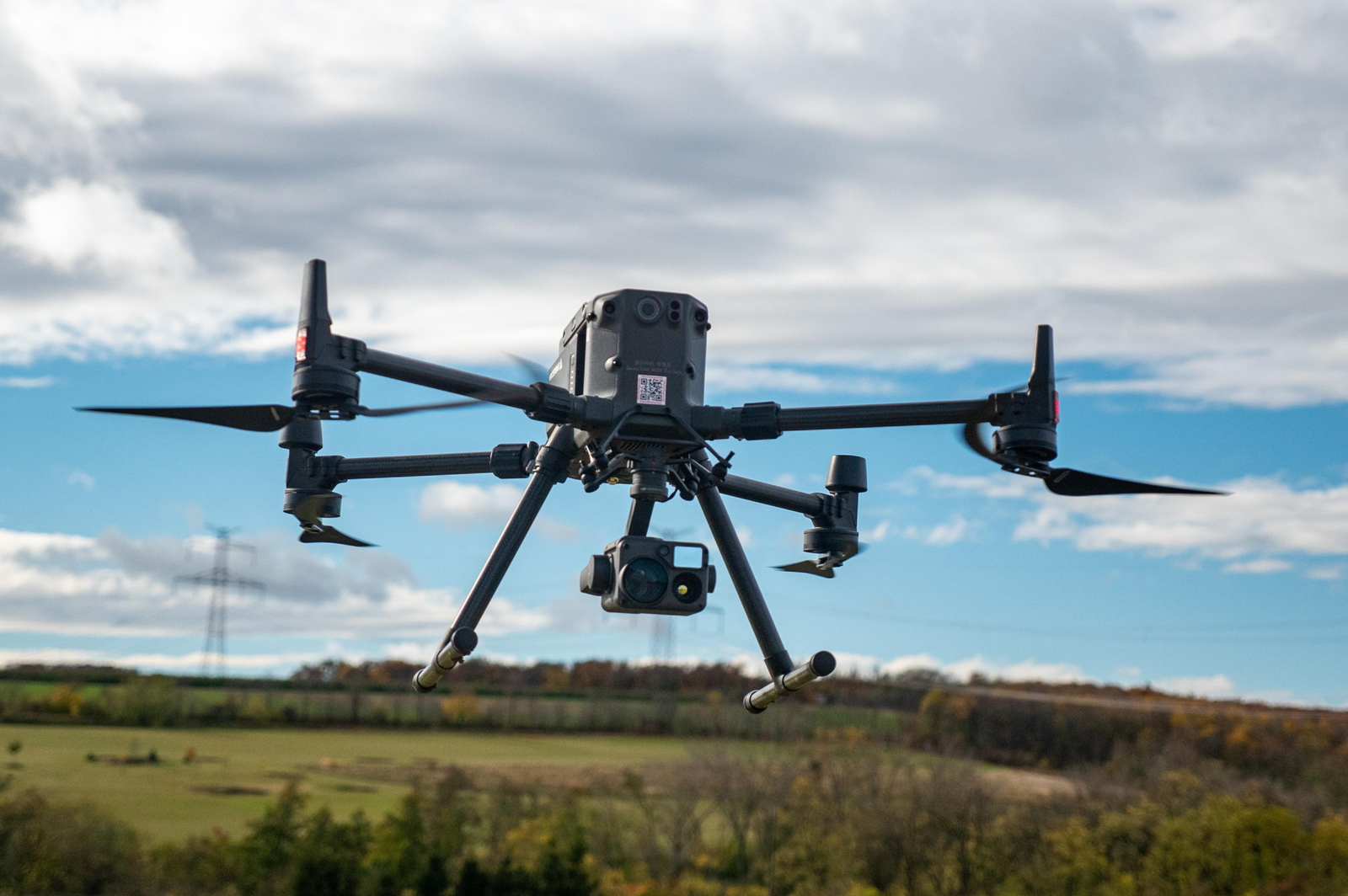
An unmanned aerial vehicle (UAV) is an aircraft that operates without a human pilot on board, controlled either remotely by an operator or autonomously through onboard systems and pre-programmed flight paths. UAVs are often discussed as part of a broader “unmanned aircraft system” (UAS), which includes the aircraft itself along with its control station, communication links, and supporting infrastructure.
Quick Facts Table
| Detail | Information |
|---|---|
| Common Name | Drone |
| Formal Term | Unmanned Aerial Vehicle (UAV) |
| System-Level Term | Unmanned Aircraft System (UAS) |
| Main Regulatory Bodies | FAA (USA), EASA (EU), ICAO (International) |
| Two Primary Aircraft Types | Multi-rotor and fixed-wing |
| Common Uses | Aerial photography, agriculture, inspection, delivery, mapping |
Main Types of Unmanned Aerial Vehicles
Multi-Rotor UAVs
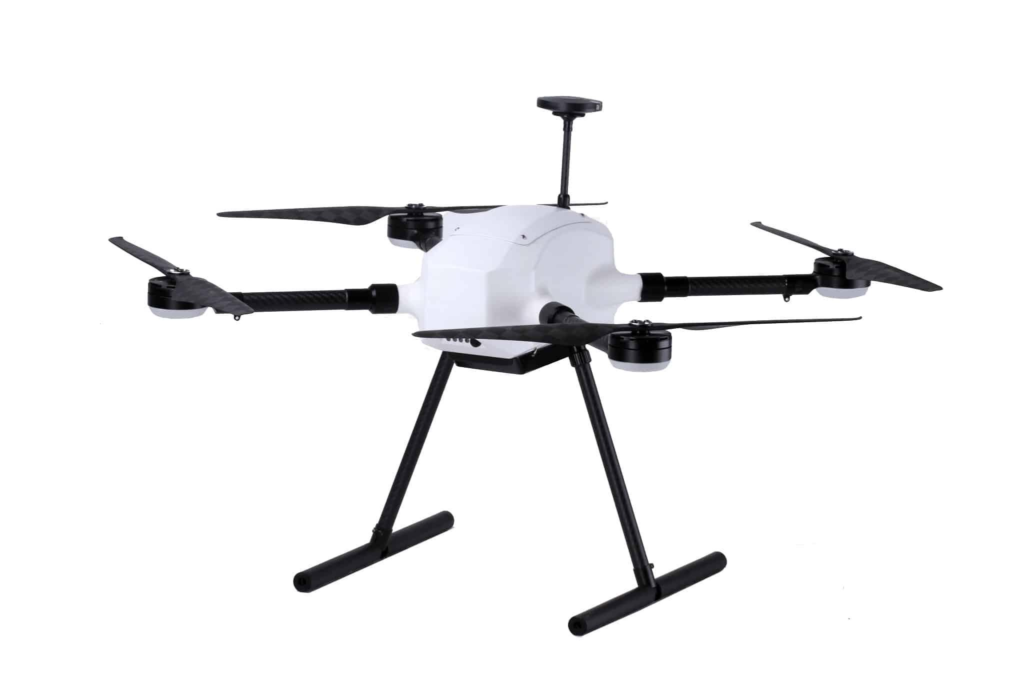
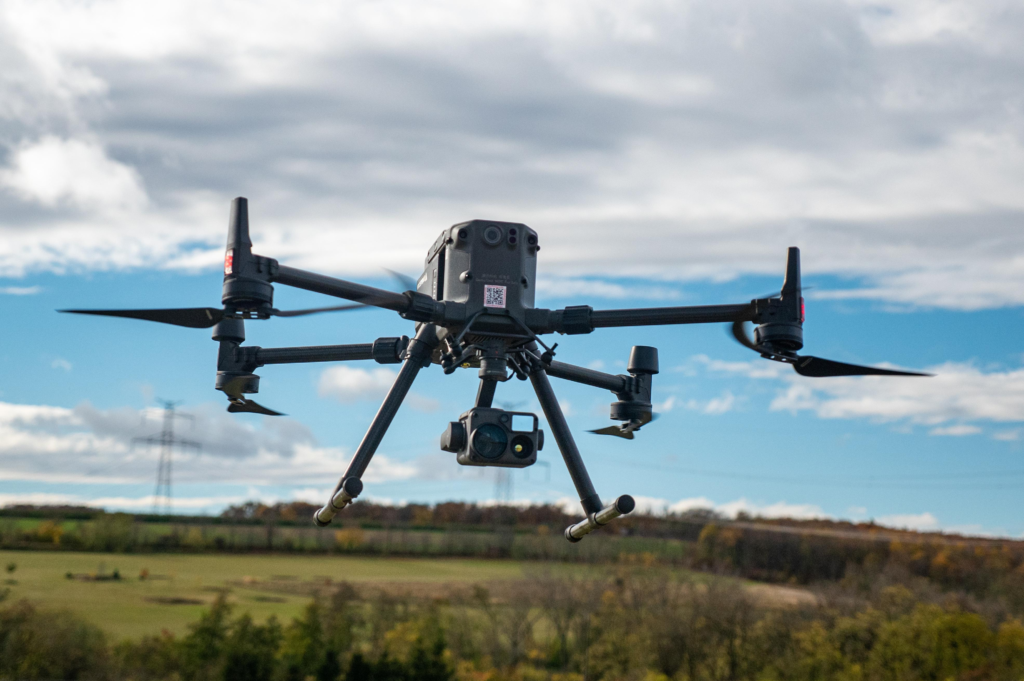
Multi-rotor drones, typically featuring four, six, or eight rotors, are the most common type used for recreational and small-scale commercial purposes. They’re well-suited to tasks requiring vertical takeoff and landing in confined spaces, along with the ability to hover in place, making them ideal for photography, inspection, and localized data collection.
Fixed-Wing UAVs
Fixed-wing UAVs resemble small airplanes and are generally more efficient for covering large areas, since they don’t need to expend energy hovering. This makes them a strong choice for tasks like agricultural mapping, large-scale surveying, unmanned aerial vehicle, particularly when beyond visual line of sight (BVLOS) operations are authorized.
Hybrid VTOL UAVs
An emerging third category combines characteristics of both designs: vertical take-off and landing (VTOL) aircraft that can transition into fixed-wing-style forward flight. This hybrid approach offers the takeoff flexibility of a multi-rotor drone with the extended range and efficiency of a fixed-wing aircraft.
UAV Type Comparison Table
| Type | Best For | Trade-Off |
|---|---|---|
| Multi-Rotor | Confined spaces, hovering, close inspection | Shorter range, higher energy use |
| Fixed-Wing | Large-area coverage, long-distance missions | Requires more space for takeoff/landing |
| Hybrid VTOL | Combining flexibility with extended range | More complex design and higher cost |
Real-World Uses of Unmanned Aerial Vehicles
Commercial and Industrial Applications
Unmanned Aerial Vehicle have become genuinely valuable tools across a wide range of industries, including:
- Infrastructure inspection, examining bridges, cell towers, and pipelines without requiring workers to access hazardous locations
- Agriculture, supporting crop monitoring, precision spraying, and field mapping
- Package and medical supply delivery, an increasingly active area of development and regulation
- Construction and surveying, providing aerial site mapping and progress tracking
- Border and coastal monitoring, supporting security and environmental observation efforts
Public Safety and Emergency Response
unmanned aerial vehicle are increasingly used by fire departments, search and rescue teams, and law enforcement agencies for tasks like disaster assessment, locating missing persons, and monitoring hazardous situations from a safe distance.
Everyday Commercial Use
Beyond specialized industrial applications, unmanned aerial vehicle are widely used for aerial photography and videography, real estate marketing, and environmental research, reflecting just how broadly the technology has been adopted across everyday commercial activity.
Understanding UAV Regulations
Why Regulation Matters
As UAV use has expanded rapidly, aviation authorities around the world have worked to establish clear safety frameworks. According to the Regulation of Unmanned Aerial Vehicles overview on Wikipedia, the International Civil Aviation Organization (ICAO) began exploring drone regulation as early as 2005, leading to a formative 2011 report that shaped how countries like Ireland, and later the United States and European Union, developed their own national frameworks.
U.S. Regulations: FAA Part 107
In the United States, most commercial and many recreational UAV operations fall under Federal Aviation Regulation 14 CFR Part 107, overseen by the Federal Aviation Administration (FAA). Key requirements generally include:
- Registering your drone with the FAA
- Passing the FAA’s aeronautical knowledge exam for commercial operation
- Being at least 16 years old to hold a Remote Pilot Certificate
- Flying at or below 400 feet in uncontrolled (Class G) airspace
- Obtaining LAANC or DroneZone authorization to fly in controlled airspace
Recreational flyers operating strictly under the special rule for model aircraft face somewhat different requirements, including registration and adherence to community-based safety guidelines through organizations like the Academy of Model Aeronautics.
European Union Regulations
In the European Union, UAV operations are governed by EASA regulations, which categorize drones by weight and operational risk. For example, current rules place specific operational requirements on aircraft under 500 grams and under 2 kilograms, including minimum distance requirements from people and defined remote pilot competency levels.
Regulatory Comparison Table
| Region | Regulating Body | Key Framework |
|---|---|---|
| United States | FAA | 14 CFR Part 107 |
| European Union | EASA | Weight and risk-based categories |
| International | ICAO | Global coordination and guidance |
Where UAV Regulation Is Headed
Aviation authorities in the United States, European Union, India, South Korea, Japan, and Australia, among others, continue actively developing new UAV regulations, particularly around two major areas:
- Beyond visual line of sight (BVLOS) operations, which would allow drones to fly further than an operator can directly see, unlocking use cases like long-distance delivery and large-area inspection
- Unmanned aircraft system traffic management (UTM), aimed at safely coordinating the growing number of drones sharing the same airspace
As package delivery, medical supply transport, and infrastructure inspection use cases continue expanding, regulators continue working to balance innovation with airspace safety.
Choosing the Right UAV for Your Needs
When selecting a UAV for a specific task, it’s worth considering:
- Area coverage needs: Fixed-wing UAVs suit large areas; multi-rotor UAVs suit confined or detailed inspection work
- Regulatory requirements: Commercial use typically requires certification and registration, unlike casual recreational flying
- Payload requirements: Some tasks, like agricultural spraying or heavy-lift delivery, require UAVs designed for specific payload capacities
- Range and endurance: Longer missions may require fixed-wing or hybrid VTOL designs rather than standard multi-rotor drones
Why Unmanned Aerial Vehicles Continue to Grow in Importance
Several factors explain the UAV industry’s continued expansion:
- Genuine operational efficiency, reducing costs and risks across inspection, agriculture, and delivery use cases
- Improving technology, including longer battery life, better sensors, and more capable autopilot systems
- Evolving regulatory frameworks, gradually enabling more advanced operations like BVLOS flight
- Broadening industry adoption, spanning construction, public safety, agriculture, and logistics
FAQs About Unmanned Aerial Vehicles
1. What is the difference between a UAV and a drone? They generally refer to the same thing. “UAV” is the more formal, technical term, while “drone” is the common, everyday name for the same type of aircraft.
2. Do I need a license to fly a UAV? In the United States, commercial UAV operations generally require a Remote Pilot Certificate under FAA Part 107, while recreational flying has separate, though still regulated, requirements.
3. What’s the difference between multi-rotor and fixed-wing UAVs? Multi-rotor UAVs can hover and take off vertically, making them ideal for confined spaces, while fixed-wing UAVs are more efficient for covering large areas over longer distances.
4. What industries use unmanned aerial vehicles? UAVs are widely used in agriculture, construction, infrastructure inspection, public safety, package delivery, and aerial photography, among many other industries.
5. What is BVLOS, and why does it matter? BVLOS stands for “beyond visual line of sight,” referring to drone operations conducted beyond what an operator can directly see. It’s a major focus of current regulatory development, since enabling BVLOS flight would unlock significantly more advanced use cases like long-distance delivery.
Conclusion
Unmanned aerial vehicles have evolved from a niche technology into an essential tool across industries ranging from agriculture and construction to public safety and logistics. As regulatory frameworks continue maturing, particularly around beyond visual line of sight operations and traffic management systems, UAVs are positioned to take on even more advanced roles in the years ahead.

