



Introduction
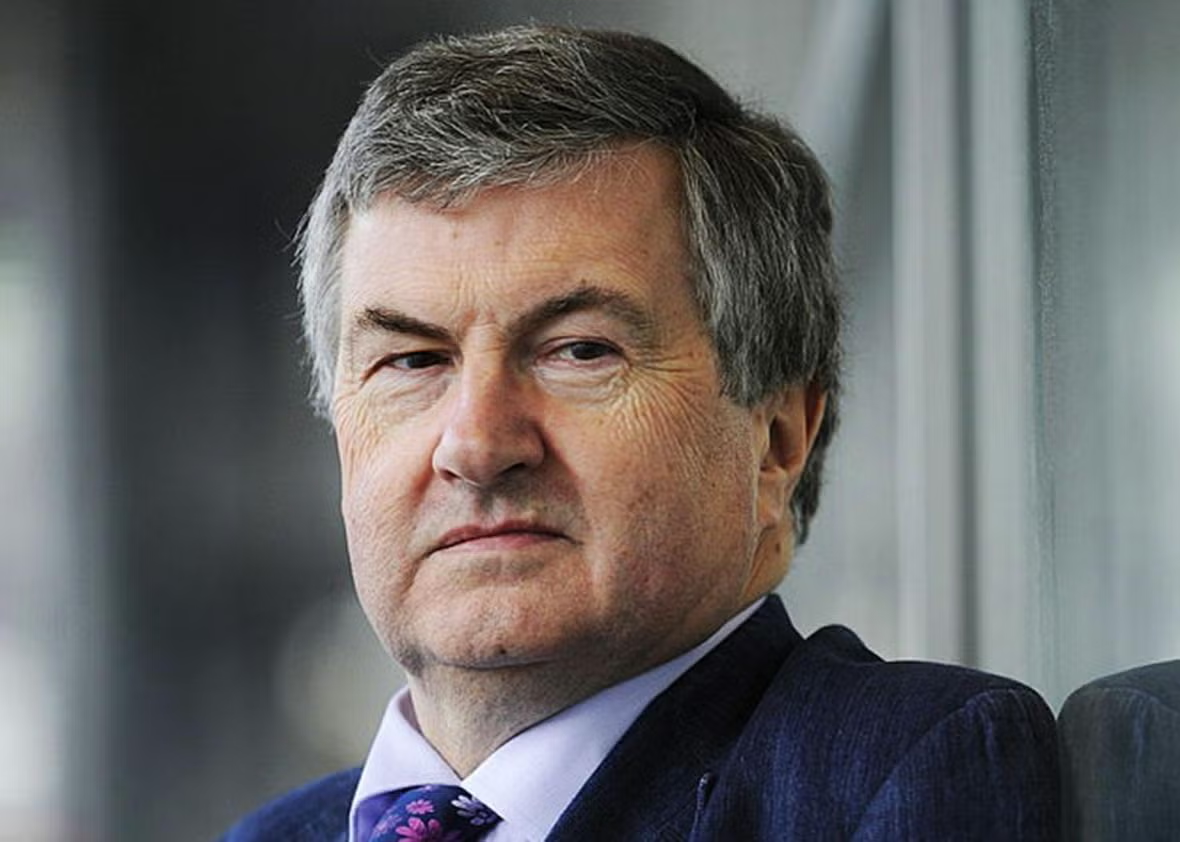
Richard Evans built a genuinely prolific career as a working character actor across four decades of American television, appearing in some of the most iconic shows of the 1960s and 1970s. While he never became a household name, his consistent presence on prime-time classics made him a familiar face to generations of TV viewers, a career that came to a close with his passing in 2021.
This article looks back at Richard Evans career, his most memorable roles, and the legacy he left behind.
Who Was Richard Evans?
Richard Evans was an American film and television actor born on January 23, 1935, in Kansas City, Missouri. Over a career spanning roughly 40 years, from 1958 to the mid-2000s, he built a reputation as a dependable, versatile guest-star presence across dozens of television series, alongside supporting roles in feature films.
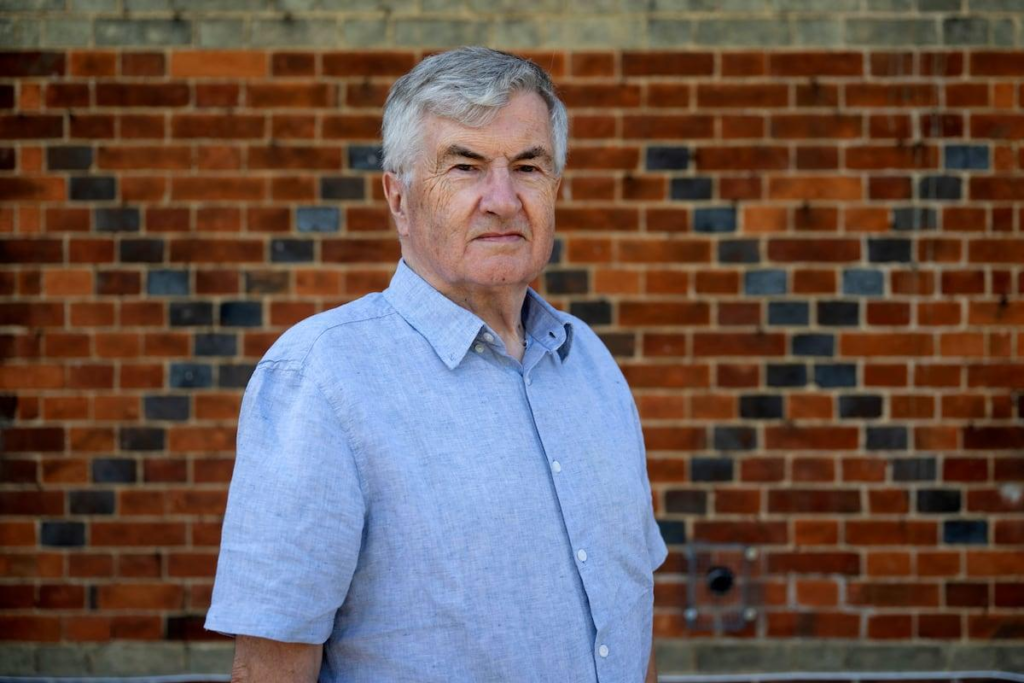
He passed away on October 2, 2021, at age 86, at his home on Whidbey Island in Washington state.
Quick Facts Table
| Detail | Information |
|---|---|
| Full Name | Richard Rodell Evans |
| Born | January 23, 1935, Kansas City, Missouri |
| Died | October 2, 2021 (age 86) |
| Profession | Actor, Writer, Director |
| Years Active | 1958–2007 |
| Best Known For | Peyton Place, Dirty Little Billy, Islands in the Stream |
Early Life and Path Into Acting
Richard Evans early life was shaped by hardship and travel. His family was affected by the Dust Bowl, the severe drought that intensified the impact of the Great Depression across the Southern Plains, and part of his childhood was spent in pre-war Japan. His path to acting came somewhat by chance: after being noticed by a talent agent while performing at a California community playhouse, he began his television career in 1958, initially billed under the name “Dick Evans.”
Richard Evans Television Career
A Familiar Face on Prime-Time Classics
Richard Evans filmography reads like a checklist of golden-age American television, with guest appearances across an extraordinary range of iconic shows, including:
- Gunsmoke
- Bonanza
- Star Trek
- The Virginian
- The F.B.I.
- Mannix
- Alfred Hitchcock Presents
- The Fugitive
- Lou Grant
- Quincy, M.E.
- The A-Team
Across these roles, Richard Evans frequently played gauche rancher’s sons, junior officers, gunslingers, and various morally ambiguous characters, becoming a reliable presence in the kind of episodic guest-star roles that defined much of network television during that era.

A Season Regular on Peyton Place
Richard Evans is perhaps best remembered for his role as Paul Hanley, an English literature professor, on the groundbreaking ABC primetime soap opera Peyton Place in 1965. In one memorable storyline, his character falsely accused Ryan O’Neal’s character, Rodney Harrington, of murdering his sister, a plot that became one of the show’s more talked-about early moments.
Career Timeline Table
| Milestone | Year |
|---|---|
| Television debut | 1958 |
| Guest appearance, Alfred Hitchcock Presents | 1959 |
| Guest appearance, The Rifleman | 1960/1962 |
| Regular role, Peyton Place (Paul Hanley) | 1965 |
| Dirty Little Billy (film) | 1972 |
| The Nickel Ride (film) | 1974 |
| Islands in the Stream (film) | 1977 |
| Later career, including Miss Scarlet and the Duke | 2020 |
Notable Film Roles
Beyond his extensive television work, Richard Evans also built a respectable film career, taking on supporting roles in several notable productions:
- Dirty Little Billy (1972), playing Goldie, a saloon-owning gambler and killer who mentors Billy the Kid, played by Michael J. Pollard, in Stan Dragoti’s unromantic Western
- The Nickel Ride (1974), a neo-noir crime drama directed by Robert Mulligan
- Islands in the Stream (1977), an adaptation of Ernest Hemingway’s novel, directed by Franklin J. Schaffner, in which Evans played the ex-Marine sidekick to George C. Scott’s lead character, an actor Evans later named as his favorite collaborator
Life Beyond Acting
Richard Evans creative interests extended well beyond performing on camera. Influenced by the French New Wave film movement, he wrote, produced, and directed several independent films over the course of his career. He also remained active in local theatre, particularly later in life on Whidbey Island in Washington’s Puget Sound.
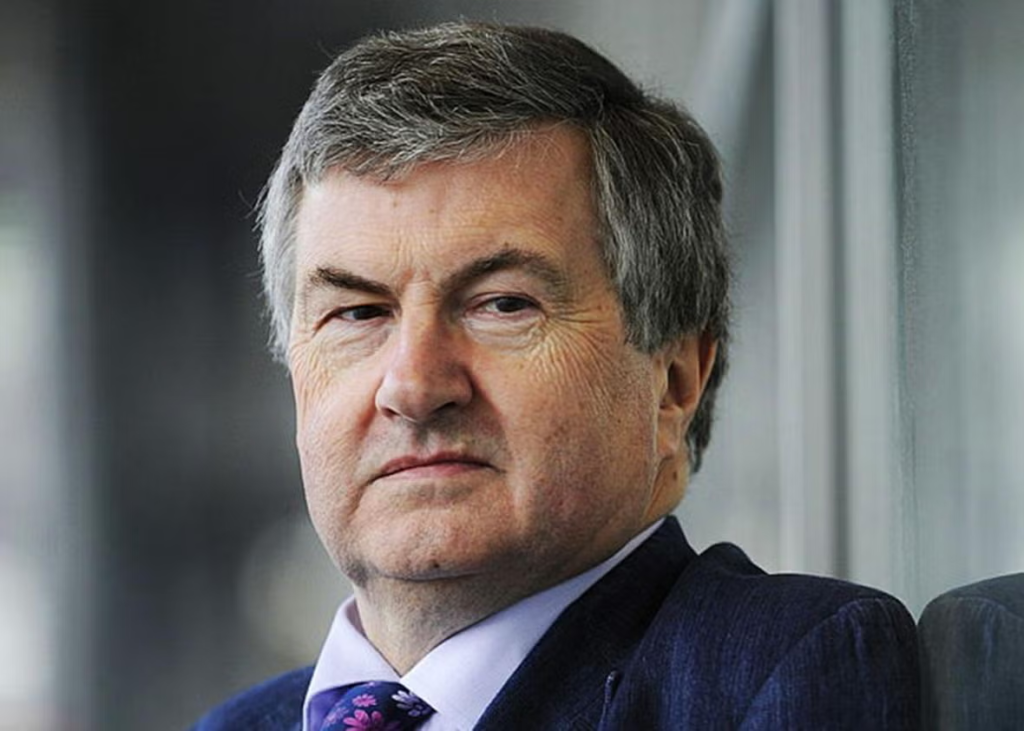
In 2018, Evans published an autobiographical book titled Fazkils, reflecting on his family history, his decades in Hollywood, and the broader arc of his creative life.
Personal Life
Richard Evans was married to Jo Evans, a former casting director, for 68 years. He was survived by his son, Paul, and three granddaughters, Sarah, Madalyn, and Rachel.
Why Richard Evans’s Career Remains Notable
Several factors continue to define his lasting place in television history:
- An extraordinarily broad résumé, spanning some of the most iconic and enduring shows of American television’s golden age
- A memorable role on a genre-defining soap opera, helping shape Peyton Place‘s early storytelling
- Meaningful film credits, working alongside respected directors and co-stars like George C. Scott
- A creative life beyond acting, including writing, directing, and publishing his own memoir later in life
FAQs About Richard Evans
1. What was Richard Evans best known for? He is best remembered for playing Paul Hanley on the ABC soap opera Peyton Place and for his role in the 1972 Western Dirty Little Billy.
2. What TV shows did Richard Evans appear in? He made guest appearances across numerous classic television series, including Gunsmoke, Bonanza, Star Trek, Mannix, The Fugitive, and The A-Team.
3. When did Richard Evans pass away? He passed away on October 2, 2021, at age 86, due to cancer.
4. Did Richard Evans work behind the camera as well as acting? Yes, influenced by the French New Wave, he wrote, produced, and directed several independent films, and also worked in local theatre later in life.
5. Did Richard Evans write any books? Yes, in 2018 he published an autobiographical book titled Fazkils, sharing memories of his family history and his career in Hollywood.
Conclusion
Richard Evans career reflects the kind of steady, prolific character work that quietly shaped decades of American television, even without the widespread name recognition of a leading man. From his memorable turn on Peyton Place to his many guest appearances across television’s most iconic shows, his contributions helped define the era of episodic golden-age TV.

