



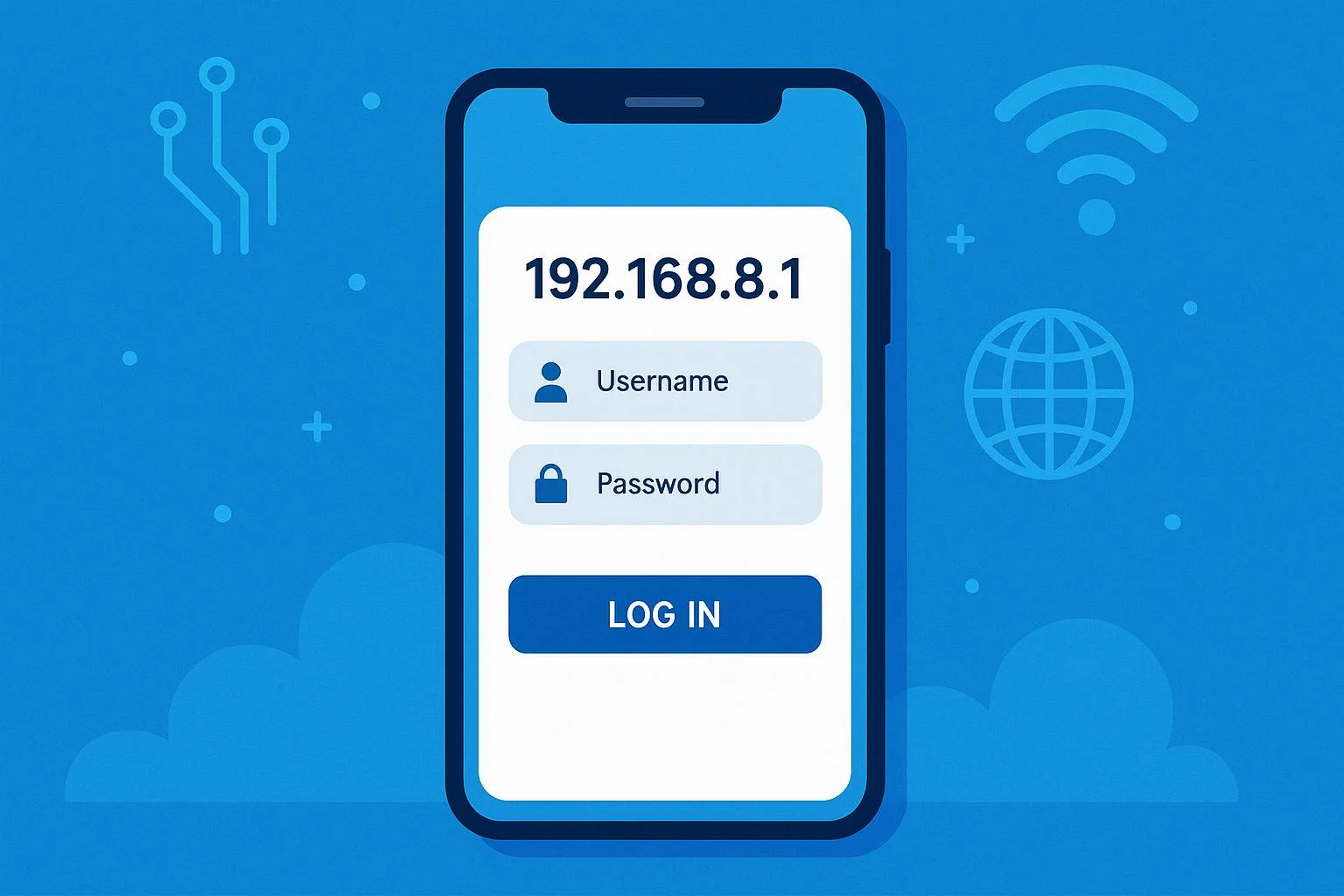
Introduction to 192.168.8.1
In the realm of computer networking, an IP address serves as a unique identifier for devices connected to a network, facilitating communication between them. Among the various IP addresses, the address 192.168.8.1 emerges as a notable entry that holds significance within the private IP address range. This particular address is characterized by its classification under the designated range for private networks, which encompasses addresses from 192.168.0.0 to 192.168.255.255.
The significance of 192.168.8.1 lies predominantly in its common usage in household networks and small office setups, acting as the default gateway for various routers manufactured by different network equipment providers. This designation allows devices within the network to communicate efficiently, as they can route traffic internally without needing to access external networks.
Additionally, private IP addresses, including 192.168.8.1, play an essential role in network security. By keeping internal communications separated from the public internet, they mitigate exposure to potential security vulnerabilities. Users often encounter this address when configuring router settings, accessing the device management interface, and establishing network credentials.
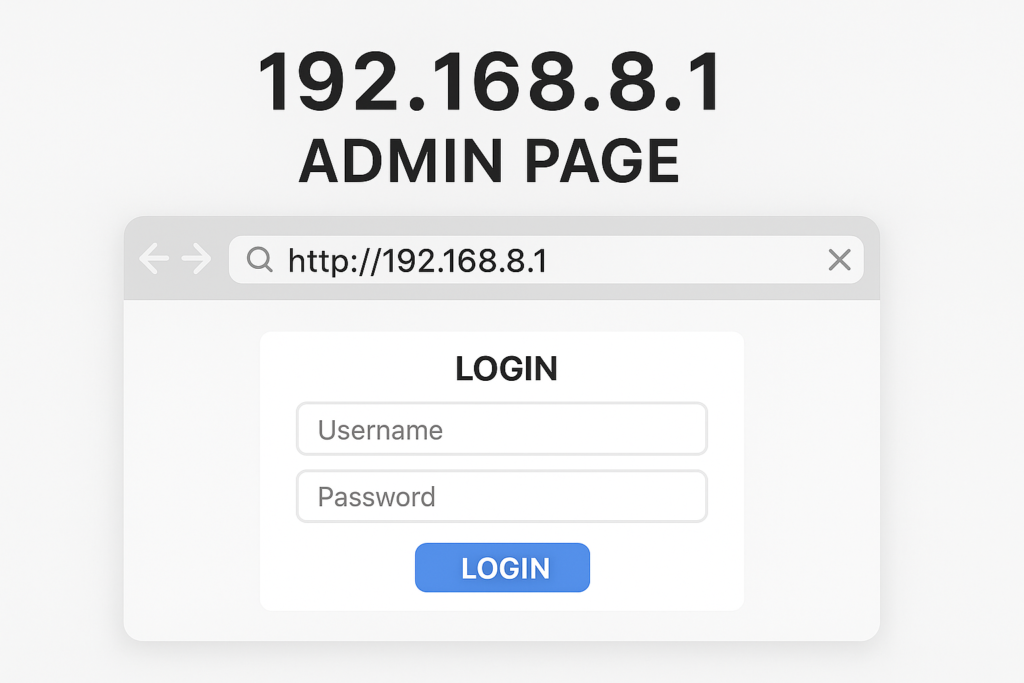
The appropriateness of 192.168.8.1 extends beyond simple connectivity; it is integral to setting up Wi-Fi networks, ensuring seamless internet access for devices like laptops, smartphones, and smart home devices. Overall, understanding the role of 192.168.8.1 within the networking environment underscores its utility and relevance in everyday technology use, paving the way for efficient network management and operation.
How to Access 192.168.8.1
Accessing the router settings through the IP address 192.168.8.1 is an essential step for managing your network. This guide will provide a detailed, step-by-step approach tailored for different devices and operating systems.
To begin, ensure that your device is connected to the network of the router. This can be either through a wired Ethernet connection or a wireless connection. If you are using a wireless connection, verify that you are connected to the correct Wi-Fi network associated with the router.
For Windows users, open a web browser, such as Chrome, Firefox, or Edge. In the address bar, type http://192.168.8.1 and press Enter. A login page should appear where you need to enter the administrator credentials. These are often set to default values such as ‘admin’ for both username and password if they haven’t been changed. Once logged in, you will have access to the router’s settings.
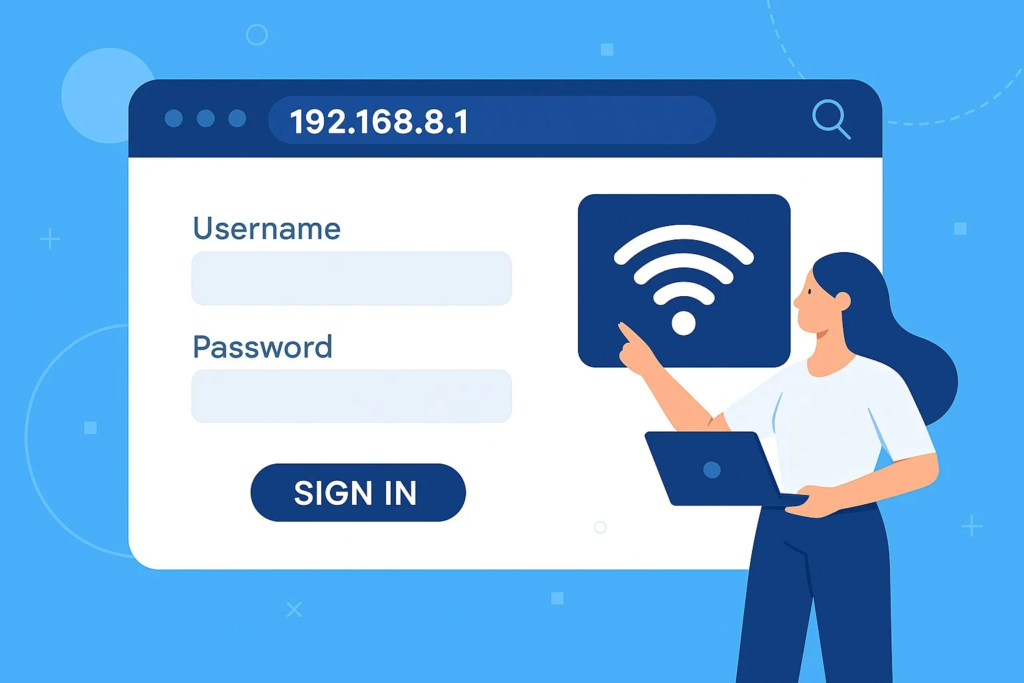
If you are using a macOS device, the process is very similar. Open Safari or any other preferred browser, type http://192.168.8.1 into the address bar, and hit Enter. After the login prompt appears, enter the necessary credentials to enter the router management interface.
For mobile users, whether on iOS or Android, open a web browser app and follow the same procedure by entering http://192.168.8.1. Ensure that you are connected to the router’s Wi-Fi as mobile data will not work.
If you encounter issues accessing the IP address, check your network connections. Ensure the router is powered on, and that your device is linked to the correct network. Resetting the router may also help if accessibility problems persist. By following these guidelines, you should successfully access your router settings through 192.168.8.1 without complications.
Configuring Settings on 192.168.8.1
Accessing the router’s settings through the IP address 192.168.8.1 allows users to effectively manage their home or office network. To begin with, ensuring a stable Wi-Fi network is often the primary concern. Users can configure their Wi-Fi settings by entering their desired network name (SSID) and password. It is advisable to choose a strong password to prevent unauthorized access and enhance network security.
In addition to basic Wi-Fi configuration, 192.168.8.1 offers various security settings that can bolster a network’s defenses. One of the essential features users may manage is the router’s firewall settings. Enabling the firewall can provide an additional layer of protection against external threats, which is paramount in today’s connected environment. Furthermore, the option to change default administrator passwords is available; this step is crucial for safeguarding access to the router’s settings against potential malicious actors.
Different router models that operate using the IP address 192.168.8.1 might offer additional features tailored to specific needs. For instance, some routers allow for Quality of Service (QoS) settings, enabling users to prioritize bandwidth for certain applications or devices, such as video streaming or online gaming. Another significant feature could be the ability to set up a guest network, which allows visitors to access the internet without compromising the primary network’s security.
Ultimately, configuring settings on 192.168.8.1 equips users with the necessary tools to customize their network according to their specific requirements. Whether improving security measures or enhancing connectivity through advanced features, navigating through the settings available at this IP address is essential for optimizing network performance and security.
Troubleshooting Common Issues with 192.168.8.1
When using the IP address 192.168.8.1 to access your router’s settings, users may encounter several common issues that can complicate the connection process. Understanding these challenges and having strategies to address them can greatly enhance the user experience.
One prevalent problem is the inability to access the 192.168.8.1 address altogether. This issue could stem from a number of factors, such as incorrect IP configurations or a misconfigured device. To resolve it, ensure that your device is connected to the router, either through a wired or wireless connection. Moreover, check if your device has been assigned an IP address within the same range (192.168.8.x). If not, you may need to release and renew your IP address via the command prompt or network settings.
Another common issue involves connection problems. If the connection to the router appears to be unstable or repeatedly disconnects, this could suggest various issues, including problems with the router itself, network congestion, or interference from other devices. To troubleshoot, restart both your router and device, ensure firmware is updated, and limit the number of devices connected simultaneously to reduce congestion.
Configuration errors can also hinder proper access to the 192.168.8.1 settings. For instance, if incorrect login credentials are used, access will be denied. Users should refer to their device’s manual for the correct default username and password. If the credentials have been changed and forgotten, a factory reset on the router is often necessary to restore default settings.
By approaching these common issues methodically, users can effectively navigate the challenges associated with 192.168.8.1 and ensure a smoother connection experience. Addressing these common concerns not only improves connectivity but also enhances overall network performance.

