



What is a Web3 Wallet?
A Web3 wallet serves as a digital wallet specifically designed to facilitate interactions with decentralized applications (dApps) on blockchain networks. Unlike traditional wallets, which primarily handle standard cryptocurrency transactions, Web3 wallets provide users the capability to engage in a wide array of blockchain-based activities including trading, gaming, and decentralized finance (DeFi) operations. This significant upgrade positions Web3 wallets as essential tools in the evolving landscape of Web3 technology.
One of the fundamental distinctions between traditional wallets and Web3 wallets lies in their underlying architecture. Traditional wallets often operate on centralized platforms, which may compromise user autonomy and security. In contrast, Web3 wallets empower users by allowing them full control of their digital assets, private keys, and personal data. This is made possible through self-custody functionalities, enabling direct management of cryptocurrencies and tokens without relying on third-party intermediaries.
Furthermore, Web3 wallets support various blockchain protocols, making them versatile instruments for managing different types of digital assets. Through seamless integration with multiple dApps, users can explore diverse functionalities ranging from NFT marketplaces to lending platforms and decentralized exchanges. This capacity not only enhances user experience but also underscores the wallet’s pivotal role in the broader adoption of Web3 technologies.
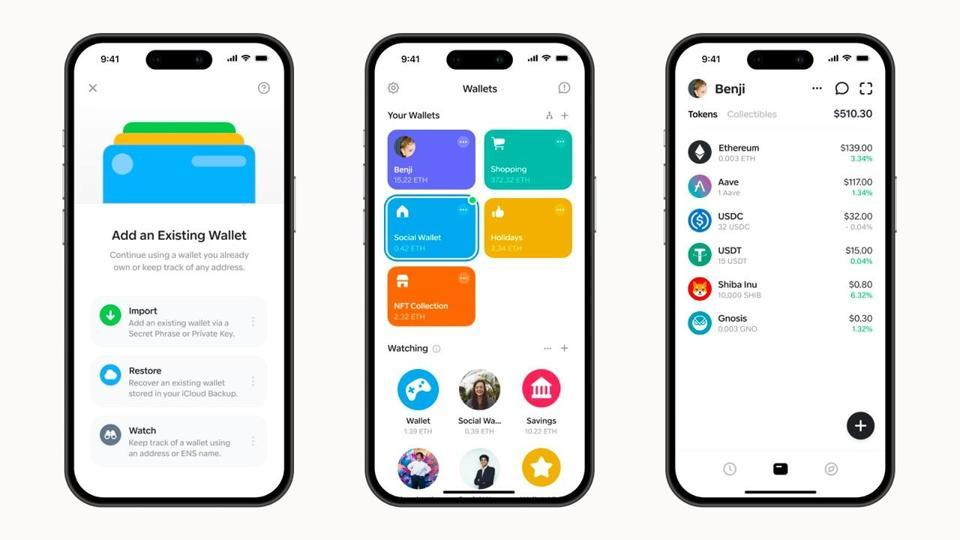
In summary, a Web3 wallet represents a critical innovation that bridges users and the decentralized ecosystem. Its ability to interact with various blockchain applications while maintaining user sovereignty marks a significant departure from traditional wallet systems. As the Web3 landscape continues to expand, the relevance and functionality of Web3 wallets will undoubtedly grow, shaping the future of digital interactions and assets.
Key Features of Web3 Wallets
Web3 wallets represent a significant evolution in the way users manage their digital assets, offering a range of features that enhance security, user experience, and versatility. One of the most critical aspects of a web3 wallet is private key management. Unlike traditional wallets, which may rely on centralized entities, web3 wallets empower users to maintain full control over their private keys. This decentralization ensures that individuals, rather than third parties, are in charge of their assets, thereby elevating the importance of securely managing these keys to prevent unauthorized access.
Security protocols are another cornerstone of web3 wallets, incorporating advanced measures to safeguard against threats. Many web3 wallets utilize encryption technologies and biometric authentication to fortify user accounts. An acknowledgment of potential vulnerabilities and the implementation of robust security measures make web3 wallets a reliable option for users concerned about asset protection. Furthermore, the continuous development of these security features is vital, as hackers constantly evolve their tactics.
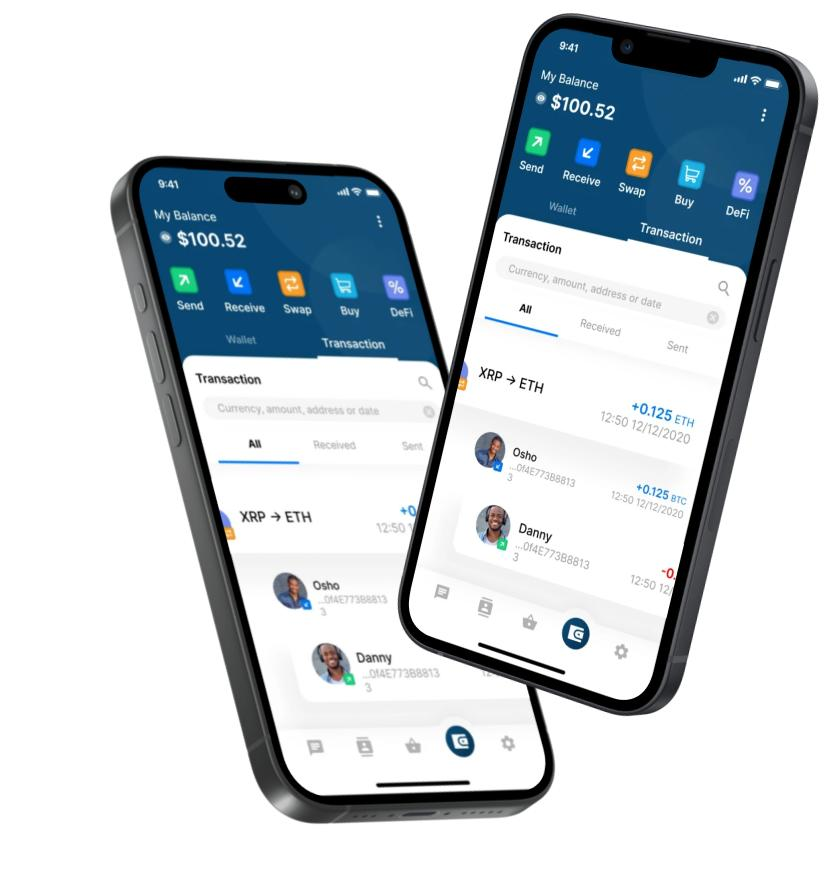
Multi-chain support is also vital in the realm of web3 wallets. By allowing users to interact with various blockchain networks, these wallets enable the seamless management of diverse digital assets, including cryptocurrencies and NFTs. This flexibility ensures that users can diversify their investments while utilizing a single interface to access multiple blockchains. The user interface of a web3 wallet significantly influences user engagement and satisfaction. A well-designed interface can facilitate a smooth onboarding process and make it easier for users to navigate essential features efficiently.
In conclusion, the key features of web3 wallets, such as private key management, comprehensive security protocols, multi-chain support, and an intuitive user interface, collectively enhance the experience of managing digital assets. As the digital landscape continues to evolve, understanding these features will be crucial for anyone participating in the Web3 ecosystem.
Advantages of Using a Web3 Wallet
The advent of web3 wallets marks a significant evolution in how users interact with digital assets. One of the primary benefits of adopting a web3 wallet is enhanced privacy. Unlike traditional finance systems, which often require extensive personal information, web3 wallets allow users to transact while maintaining their anonymity. This shift empowers individuals to control their data and decide how much information they wish to share with others.
Additionally, web3 wallets provide users with the capacity to interact seamlessly with a wide range of decentralized applications (dApps). These applications span various sectors, including gaming, finance, and social networking, exemplifying the versatility of blockchain technology. By using a web3 wallet, individuals can easily connect with these platforms, enabling a richer and more integrated online experience.
An important advantage for both everyday users and businesses is the increased control over assets. With traditional financial services, third-party institutions often oversee users’ funds, which can lead to concerns regarding security and accessibility. Web3 wallets solve this dilemma by allowing users to hold their private keys, offering unparalleled security and autonomy over their digital assets. This control also extends to the ability to perform transactions without intermediaries, which streamlines processes and reduces fees.
Moreover, web3 wallets hold the potential for integration with decentralized finance (DeFi) services. By leveraging these platforms, users can participate in an array of financial activities, including lending, borrowing, and earning interest on their assets. This aligns with the broader goals of web3 to create open and permissionless financial systems. As more users and businesses recognize the advantages of using a web3wallet, it is likely that adoption will continue to grow, reshaping how we think about finance and digital ownership.
Choosing the Right Web3 Wallet
When selecting a web3wallet, there are several critical factors to consider to ensure that you find an option that aligns with your needs and level of expertise. One of the foremost aspects is security; the chosen wallet must employ robust security measures, including encryption and two-factor authentication, to protect your assets and personal information. It is advisable to read up on the wallet’s reputation regarding any security breaches or vulnerabilities that may have been reported in the past.
Compatibility with various blockchain networks is another essential consideration. Not all web wallets support every blockchain; therefore, you should check which specific networks are supported by the wallet you are considering. This is particularly important if you plan on interacting with multiple decentralized applications (dApps) or wish to hold various cryptocurrencies.
User reviews and feedback can provide significant insights into the performance and usability of a web wallet. Platforms like Reddit and specialized forums allow users to share their experiences, highlighting strengths and weaknesses that may not be immediately apparent from the wallet’s website. These reviews can help you gauge the wallet’s functionality and customer support.
Ease of use is also a crucial aspect of your selection process. A user-friendly interface can greatly enhance your overall experience, especially if you are new to blockchain technology. Look for wallets that offer comprehensive guides or tutorials on how to use them, as this can facilitate a smoother onboarding process.
Some popular options in the current market include Metamask, Trust Wallet, and Coinbase Wallet. Each offers unique features and varying levels of support for different cryptocurrencies, helping users make an informed decision. Ultimately, the best choice will depend on your specific requirements, including security preferences, supported tokens, and ease of access.

