



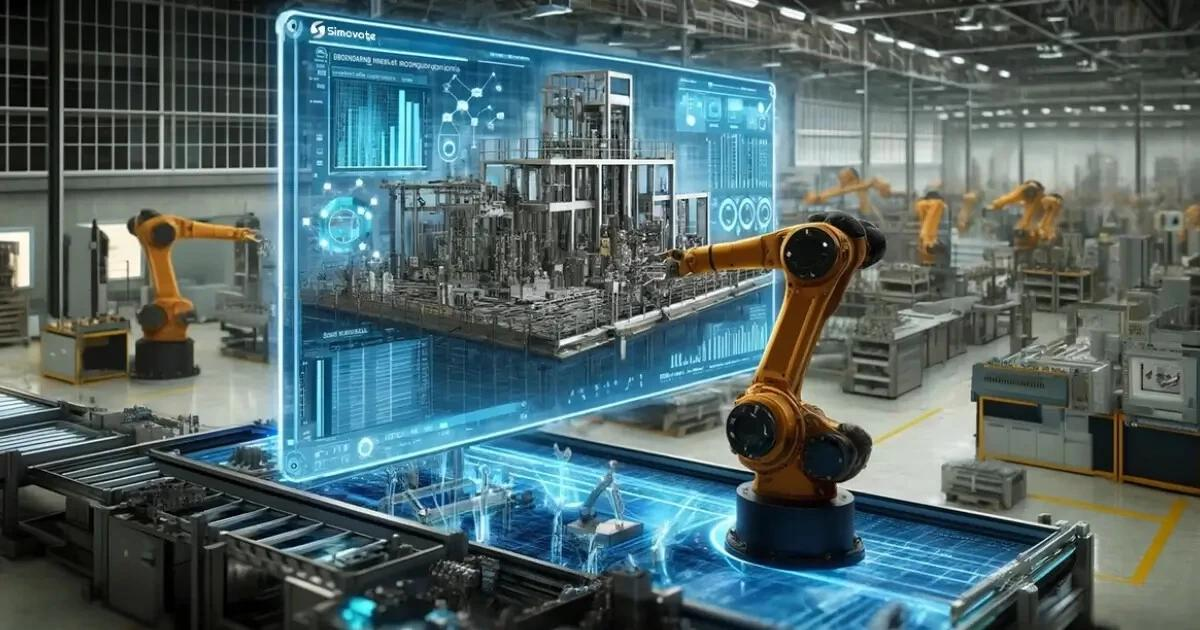
Understanding Digital Twins
The term digtial twins refers to a digital replica of a physical entity, system, or process. This concept has become increasingly significant in various industries as it allows for real-time monitoring and simulation of physical counterparts. By using data and advanced modeling techniques, digital twins enable organizations to predict outcomes, optimize performance, and facilitate better decision-making processes.
The origins of the term can be traced back to the early 2000s, when technology began to enable the creation of virtual models that closely mimic physical objects. Michael Grieves, who is credited with coining the term, envisioned digital twins as a method for integrating product development and lifecycle management. Since then, the evolution of digital twins within the tech industry has expanded their applications far beyond initial expectations. Today, they play a critical role in sectors such as manufacturing, healthcare, urban planning, and renewable energy.
At the core of digital twins is the use of extensive data collection and analysis. By gathering information from sensors and IoT devices placed on physical entities, organizations can create accurate representations of those entities in a digital format. These digital representations can then simulate real-world conditions and scenarios, providing insights that would be difficult or impossible to obtain otherwise. For example, in manufacturing, digital twins can predict equipment failures by analyzing data trends, thus preventing costly downtimes.
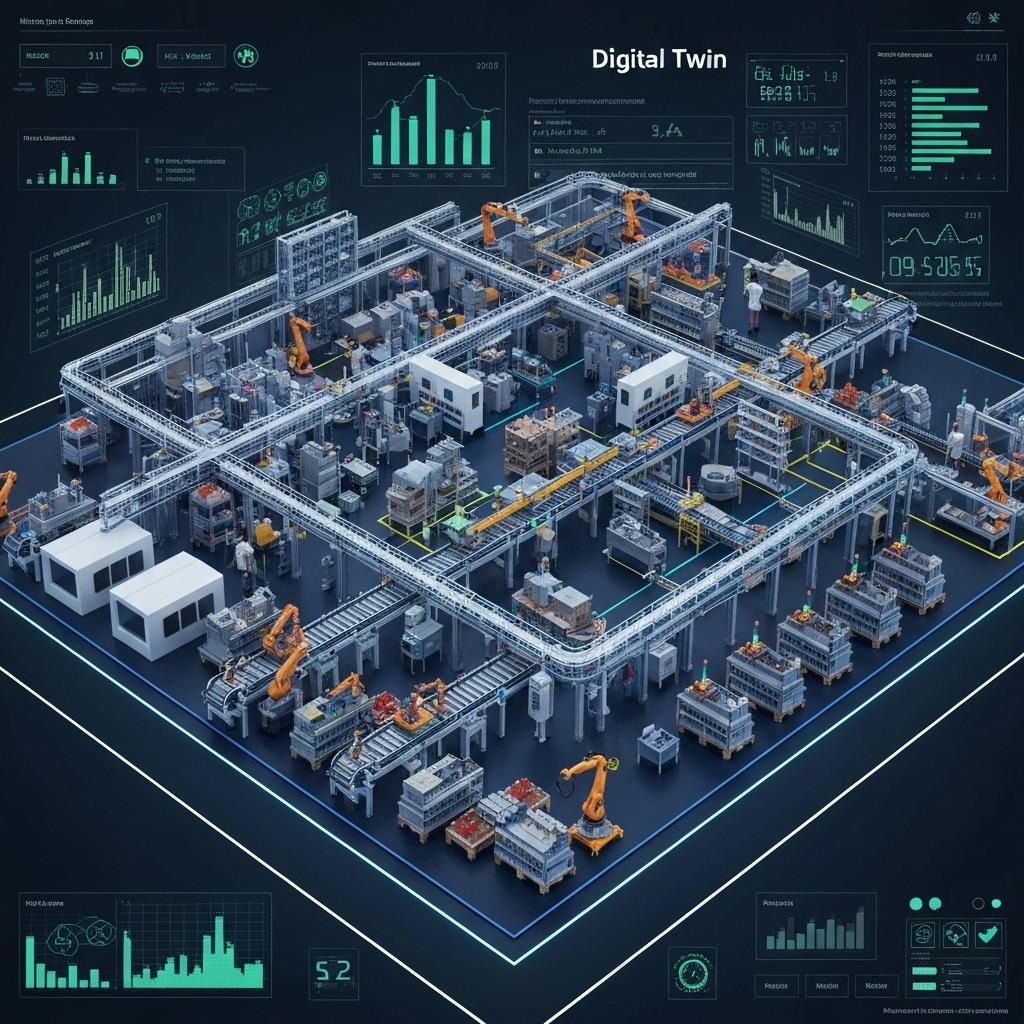
Furthermore, utilizing digital twins allows organizations to run simulations in a safe environment without risking physical assets. The ability to experiment virtually enhances innovation and reduces costs, marking a significant advancement in how we manage and understand complex systems. As technology continues to advance, digital twins are set to transform operations across various sectors, ensuring continuous improvement and adaptation to changing demands.
Applications of Digital Twins Across Industries
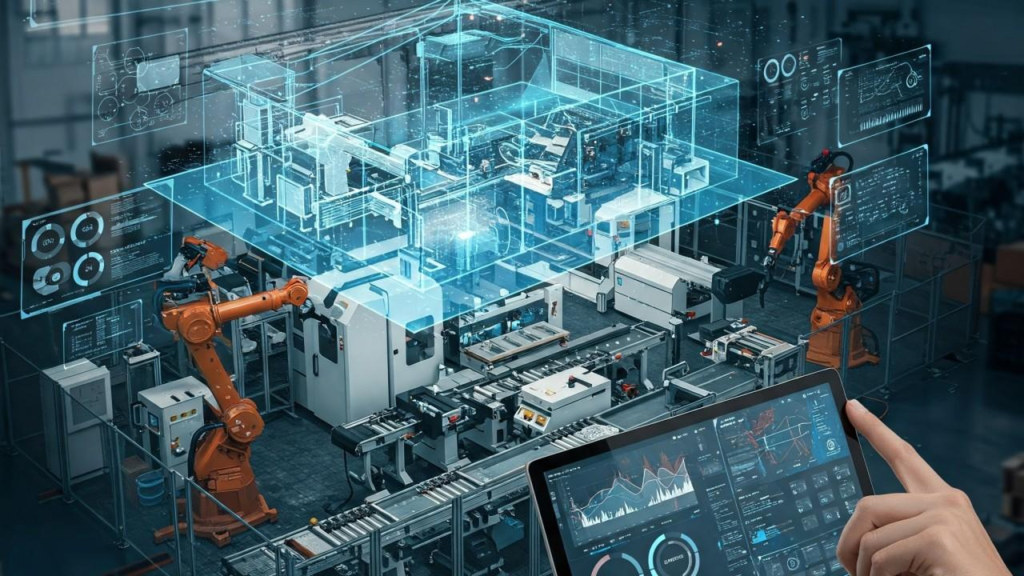
Digital twins are rapidly becoming a transformative technology across various sectors, showcasing their potential to optimize processes and improve decision-making. In manufacturing, the implementation of digital twins allows companies to create virtual replicas of physical assets. By integrating real-time data, organizations can monitor performance, predict failures, and optimize maintenance schedules, ultimately enhancing operational efficiency.
A notable case study in manufacturing involves a leading automotive manufacturer that harnessed digital twin technology to simulate production lines. Through this approach, the company was able to identify bottlenecks and streamline workflows, resulting in a 30% increase in production efficiency. This instance exemplifies how digital twins can lead to significant productivity gains by enabling predictive maintenance and real-time analytics.
In the healthcare sector, digital twins are revolutionizing patient care and hospital management. Healthcare providers are using digital twins to model patient physiology and treatment responses. For example, a recent initiative involved creating digital twins of patients undergoing complex surgeries, allowing surgeons to visualize and plan procedures with greater accuracy. The result was a marked decrease in surgical complications and improved patient outcomes.
Moreover, urban planning is leveraging digital twins to create smarter cities. By constructing digital replicas of urban environments, city planners can analyze traffic patterns, energy consumption, and resource distribution. A prominent example can be seen in Singapore, where the city has developed a comprehensive digital twin of its entire urban landscape to enhance infrastructure planning and environmental sustainability.
In conclusion, digital twins are proving to be an invaluable asset across various industries, from manufacturing and healthcare to urban planning. By improving efficiency and streamlining operations, they are set to play a pivotal role in shaping the future of these sectors.
The Technology Behind Digital Twins
Digital twins represent a significant advancement in the realm of technology, leveraging various sophisticated components to create real-time, virtual replicas of physical entities. At the heart of this technology lies the Internet of Things (IoT), which facilitates seamless data collection from sensors and devices embedded in physical assets. These IoT devices continuously transmit data related to their operational status, environmental conditions, and performance metrics, forming a robust foundation for the digital twin model.
Moreover, artificial intelligence (AI) plays a critical role in the functionalities of digital twins. AI algorithms process the vast amounts of data gathered via IoT, enabling the generation of insights that inform decision-making. For instance, machine learning techniques can analyze historical performance data to predict potential failures or maintenance needs, thereby enhancing operational efficiency and reducing downtime. By incorporating AI, digital twins evolve from mere static representations to dynamic systems capable of learning and adapting over time.
Data analytics further enriches the digital twin experience by providing tools for processing and visualizing the information collected. Advanced analytics techniques transform raw data into actionable intelligence, allowing stakeholders to monitor performance in real-time and make informed decisions swiftly. The integration of IoT, AI, and data analytics forms a synergistic relationship that empowers digital twins to simulate real-world conditions and predict future outcomes accurately.
Additionally, the interplay between these technologies fosters an environment for continuous improvement and optimization. Organizations can leverage digital twins to refine their processes, products, and services, ultimately driving innovation. These technological components are central to realizing the full potential of digital twins, making them indispensable in various industries, from manufacturing to healthcare and beyond.
Future Perspectives: The Evolution of Digital Twins
The future of digital twins holds exciting potential as advancements in technology continue to evolve. With the increasing integration of machine learning and artificial intelligence, digital twins are poised for a transformation that enhances their applicability and efficiency across various sectors. This evolution will enable more sophisticated simulations and predictive analytics, allowing organizations to optimize operations and drive innovation.
As industries become more data-driven, the adoption of digital twin is likely to extend beyond traditional sectors such as manufacturing and automotive. Emerging fields, like healthcare, smart cities, and renewable energy, are beginning to leverage these digital counterparts to improve systems’ design, maintenance, and performance. For example, in healthcare, digital twin could facilitate personalized medicine by providing real-time insights into patient conditions, thereby enabling tailored treatment plans.
The implications of this technology are profound. As digital twin become integral to business strategies, they can drive efficiencies, reduce costs, and enhance the customer experience. Organizations that embrace these innovations stand to gain a competitive advantage in a rapidly changing market landscape. Moreover, as more digital replicas of physical assets emerge, we can expect broader societal impacts, including improved infrastructure systems and smarter urban development.
In conclusion, the evolution of digital twin will significantly reshape industries, drive technological advancements, and offer new opportunities for growth and innovation. Businesses must stay attuned to these emerging trends to effectively harness the capabilities of digital twin and position themselves for success in the future.

