




Introduction to Ranthambore
Ranthambore National Park, located in the Sawai Madhopur district of Rajasthan, stands as one of the largest and most famous national parks in India. Sprawling over an area of approximately 392 square kilometers, this park is not only renowned for its wildlife but also for its rich history and stunning landscapes. Originally a hunting ground for the maharajas of Jaipur, Ranthambore was declared a national park in 1980 and is now a crucial part of the Project Tiger initiative, aimed at conserving the majestic Bengal tiger.
The park’s unique ecosystem supports a diverse range of flora and fauna, making it a paradise for wildlife enthusiasts and photographers alike. Visitors can expect to encounter a variety of animals, including the elusive tigers, leopards, sambar deer, and numerous bird species. The combination of dry deciduous forests, open grasslands, and intermittent lakes provides essential habitats for these animals, fostering a delicate balance within the ecosystem.
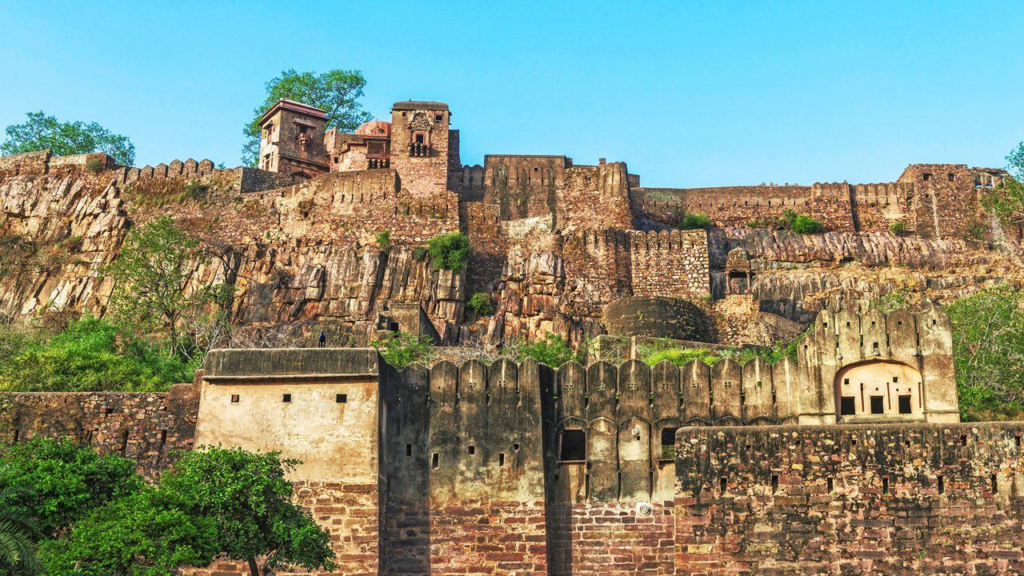
Geographically, Ranthambore is characterized by its rugged terrain, hills, and the prominent Ranthambore Fort, a UNESCO World Heritage site that adds historical significance to this natural wonder. The fort, situated atop a hill, offers panoramic views of the park and serves as a reminder of the rich Rajput architecture and history. Additionally, the geographical features such as ponds and lakes are vital water sources for the wildlife, particularly during the dry season when water becomes scarce.
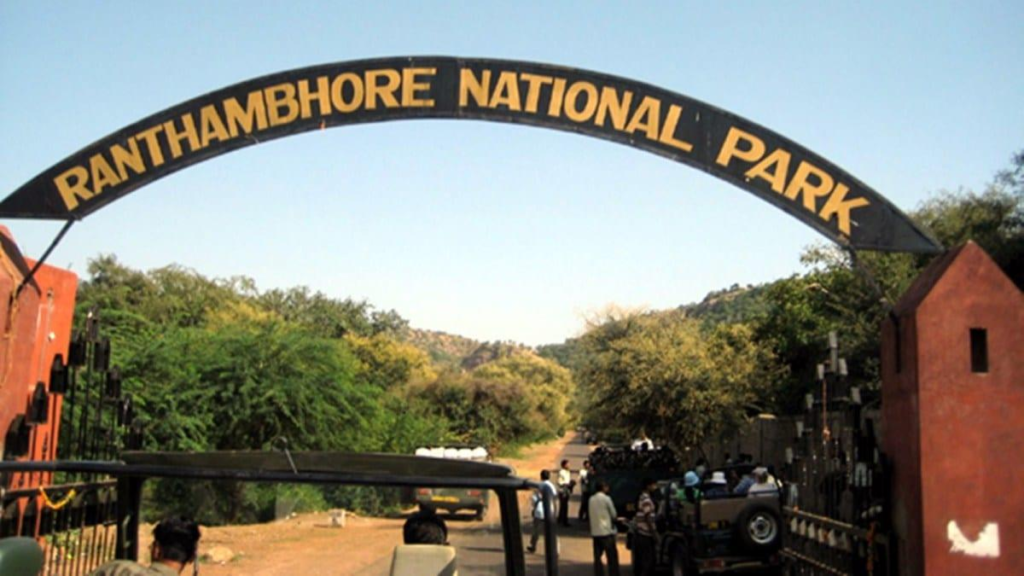
In essence, Ranthambore is not just a sanctuary for wildlife but also a site of immense ecological and historical importance. Its scenic beauty, coupled with the chance to observe tigers in their natural habitat, makes it an exceptional destination for travelers and nature lovers seeking adventure and tranquility.
Flora and Fauna of Ranthambore
Ranthambore National Park, located in the northern part of India, showcases a diverse array of flora and fauna, making it a significant ecological hotspot. The park is renowned not only for its breathtaking landscapes but also for the richness of its biodiversity. Among the vast expanse of this sanctuary, one can find a variety of vegetation, ranging from dry deciduous forests to scenic lakes and open grasslands, all supporting a unique ecosystem.
The flora of Ranthambore includes more than 300 species of plants. Dominant tree species are characterized by the presence of Dhok, a deciduous species that thrives in this climate, alongside other notable trees such as Banyan, Peepal, and various species of Acacia. The undergrowth is rich with shrubs and herbs that provide essential forage for the park’s herbivorous wildlife. Additionally, seasonal blooms of wildflowers attract a multitude of pollinators, contributing to the park’s ecological diversity.
In terms of fauna, Ranthambore is best known for its population of Bengal tigers, which reside in the park and serve as its most iconic symbol. These majestic creatures roam the various habitats found within the park, from dense forests to open plains, and exhibit fascinating behaviors during hunting and mating seasons. Apart from tigers, the park is home to a wide array of wildlife, including leopards, sambar deer, sloth bears, and numerous species of birds. The varied habitats, including the numerous water bodies, play a crucial role in sustaining these wildlife populations, providing them with necessary resources and promoting healthy ecosystems.
Overall, the interplay between the rich vegetation and the vibrant wildlife forms an intricate web of life in Ranthambore, inviting visitors to explore and understand the profound beauty of one of India’s premier national parks. This environment not only showcases the wonders of nature but also highlights the importance of conservation efforts to protect such invaluable biodiversity.
Best Time to Visit Ranthambore
Ranthambore National Park, renowned for its diverse wildlife and scenic landscapes, attracts nature enthusiasts throughout the year. However, understanding the optimal times to visit this majestic location can significantly enhance the experience. The park experiences a distinct climate characterized by hot summers, pleasant winters, and a monsoon season, each of which influences wildlife sightings and overall visitor experience.
Generally, the best time to explore Ranthambore is between October and March. During these months, the weather tends to be mild with temperatures ranging from 10°C to 25°C, making it comfortable for safaris and other activities. This period coincides with the dry season, which increases the likelihood of spotting wildlife. As water sources diminish, animals, including the iconic Bengal tiger, venture out into the open, providing visitors with better sighting opportunities.
From April to June, the park experiences extreme heat, with temperatures soaring above 40°C. While this period may not be ideal for some tourists, it does present a unique opportunity for avid wildlife watchers. The scorching temperatures compel animals to frequent waterholes, enhancing the chances of sighting diverse fauna, including leopards, deer, and various bird species that thrive in this rich ecosystem.
Monsoon, which spans from July to September, generally sees a decline in tourist numbers due to the heavy rainfall and muddy paths. Nevertheless, the landscape transforms, becoming beautifully lush and vibrant, which adds a different flavor to the park’s aesthetics. Wildlife activity can also rise, particularly for birdwatching enthusiasts, as migratory birds flock to the area during this time.
In summary, the choice of when to visit Ranthambore largely depends on personal preferences regarding weather and wildlife viewing. Each season offers a unique experience, making it essential for travelers to plan according to their interests and the type of encounters they seek within this remarkable national park.
Activities and Experiences in Ranthambore
Ranthambore is a destination that offers a plethora of activities for visitors seeking adventure and cultural immersion. One of the most popular ways to explore the rich biodiversity of this national park is through safari tours. These excursions, typically conducted in open-top vehicles, allow visitors to get up close and personal with the majestic wildlife that calls Ranthambore home, including the elusive Bengal tiger. Guided safaris can be tailored to specific interests, giving participants the chance to learn from experienced professionals who share valuable insights about the flora and fauna.
For bird enthusiasts, Ranthambore provides an exceptional opportunity for bird-watching. The region is a haven for over 300 species of birds, making it an ideal location for both amateur and seasoned bird-watchers. Ornithologists and nature lovers can spot various migratory and resident birds in their natural habitats, often accompanied by stunning landscapes that make for a perfect backdrop.
Photography is another enriching activity in Ranthambore. The park’s dramatic scenery and wildlife create countless opportunities for capturing stunning images. Photographers can benefit from early morning or late evening safaris, which offer the best light and animal activity. Additionally, the local villages surrounding Ranthambore offer a glimpse into the traditional way of life in rural India. Cultural experiences can include interacting with local artisans, participating in regional festivals, or tasting authentic Rajasthani cuisine.
Guided treks through the rugged terrain of the national park provide an alternative way to immerse oneself in the sights and sounds of Ranthambore. These hikes, often led by knowledgeable guides, allow participants to appreciate the intricate ecosystem up close, exploring hidden spots that safari vehicles cannot reach. Visitors to this remarkable region can create unforgettable memories through diverse activities and experiences that highlight both the natural and cultural splendor of Ranthambore.

