



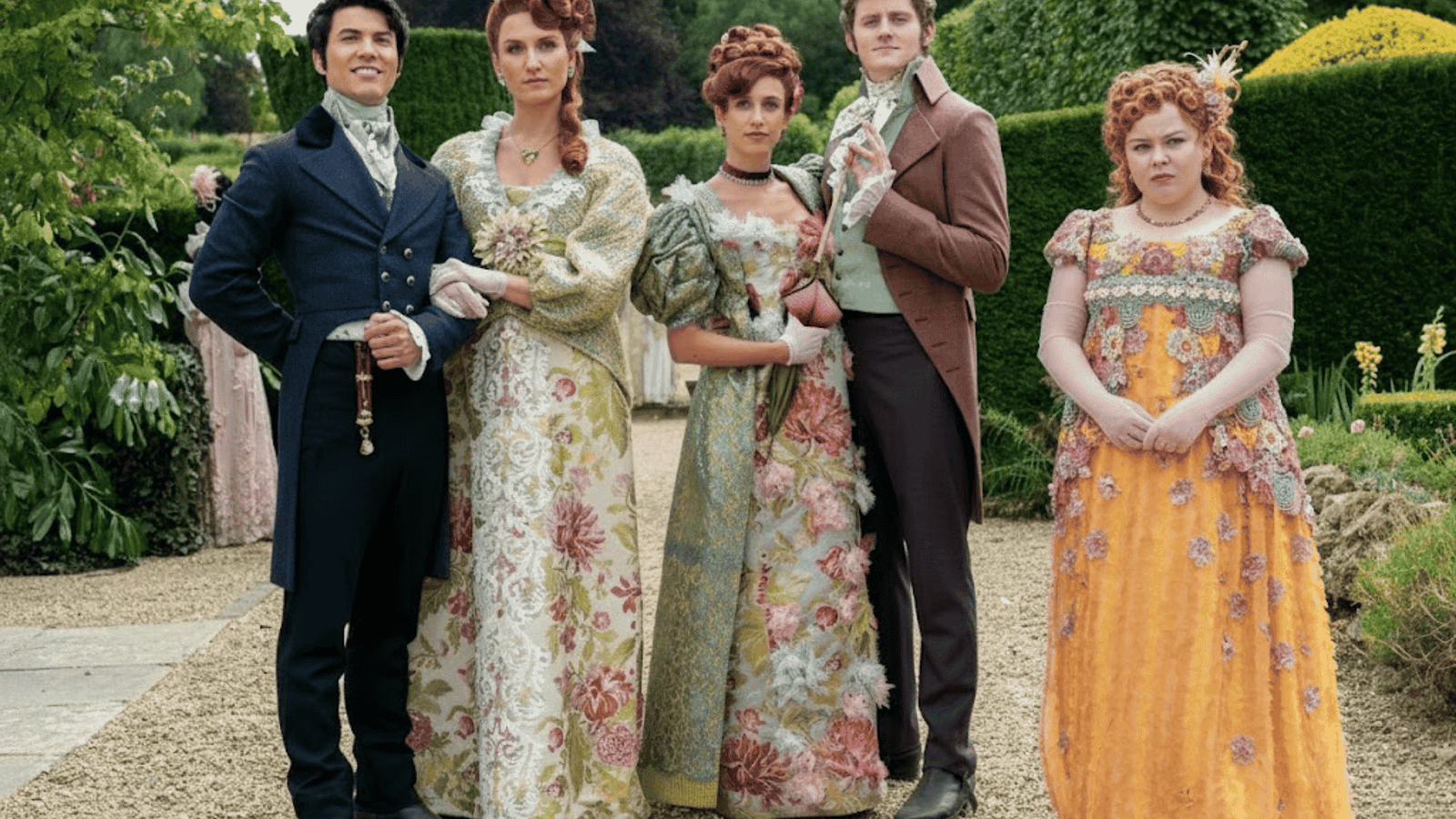
Overview of Regency Era Fashion
The Regency era, spanning from 1811 to 1820, represents a significant period in British history marked by remarkable changes in fashion, culture, and society. During this time, the world was experiencing a shift that was influenced by the political landscape, social norms, and notable artistic movements such as Romanticism. Regency era fashion is known for its distinct characteristics that reflect the upper classes, particularly in London, and it set a foundational course for subsequent trends in clothing and personal style.
The political climate during the Regency period was tumultuous, with the Napoleonic Wars reshaping societal dynamics and the economy. This atmosphere gave rise to a fashion style that prioritized both elegance and functionality, allowing for greater freedom of movement. The aesthetic features of clothing during this time were marked by higher waistlines, flowing fabrics, and intricate detailing, reflecting a move away from the more rigid structures of the preceding Georgian fashion. Fabrics such as muslin became widely popular, resulting in garments that conveyed an ethereal quality, resonating with the Romantic ideals of beauty and nature.
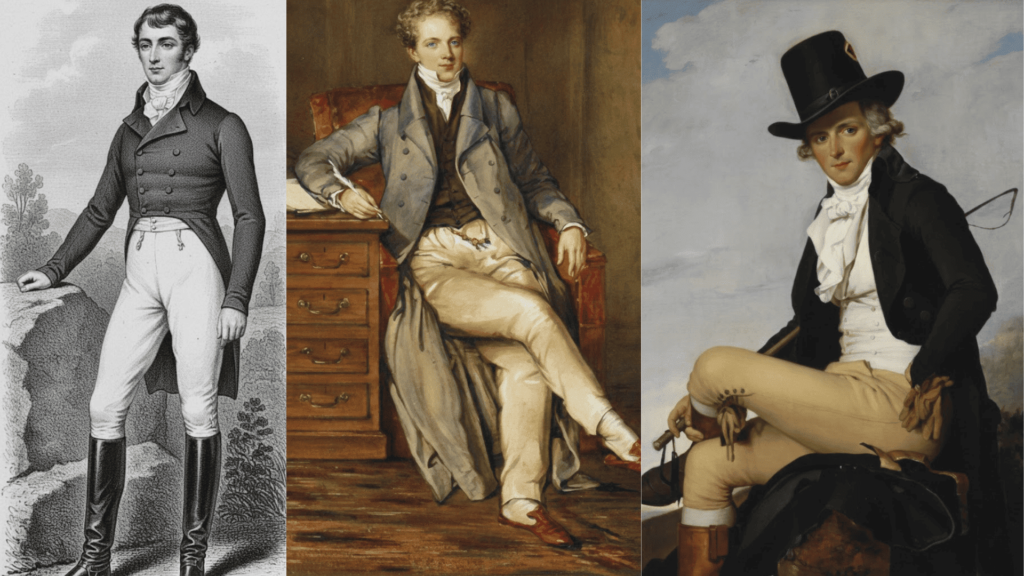
Social norms also played a pivotal role in shaping Regency era fashion, particularly the influence of gender roles. Women’s clothing emphasized femininity, often adorned with delicate lace and embroidery. In contrast, menswear reflected a more tailored approach with cutaway coats and waistcoats that showcased a gentleman’s status and refined sensibilities. Furthermore, the increased importance of social events, such as balls and soirées, contributed to an ever-evolving landscape of self-expression through attire.
As we explore the implications of fashion in this era, it becomes clear that the developments during the Regency period were not merely superficial. They were reflective of deeper societal shifts, emotions, and the burgeoning desire for individual expression, all of which established the Regency era as a vital chapter in the history of fashion.
Key Features of Regency Era Fashion
The Regency era, spanning from 1811 to 1820 in the United Kingdom, is renowned for its distinctive fashion that emphasized elegance and refinement. Women’s clothing during this period prominently featured the empire waist dress, characterized by a high waistline situated just below the bust. This silhouette created a flowing effect, often enhanced by lightweight fabrics such as muslin, silk, and cotton. The cut of these garments allowed for freedom of movement and exuded a sense of grace, which was emblematic of the period’s aesthetic. The use of delicate patterns, intricate embroidery, and subtle lace details further highlighted the sophistication of Regency era fashion.
In contrast, men’s fashion transitioned during this time towards a more tailored and structured appearance. The tailcoat became a hallmark of Regency attire, with a fitted silhouette that accentuated the waist while allowing for the display of a waistcoat beneath. These coats, often crafted from wool and richly colored fabrics, signaled status and wealth. Regency era men also adopted trousers, moving away from the knee breeches of previous decades, reflecting a shift towards practicality without sacrificing appearance. The inclusion of shirts with high collars and cravats further defined male elegance in this period.
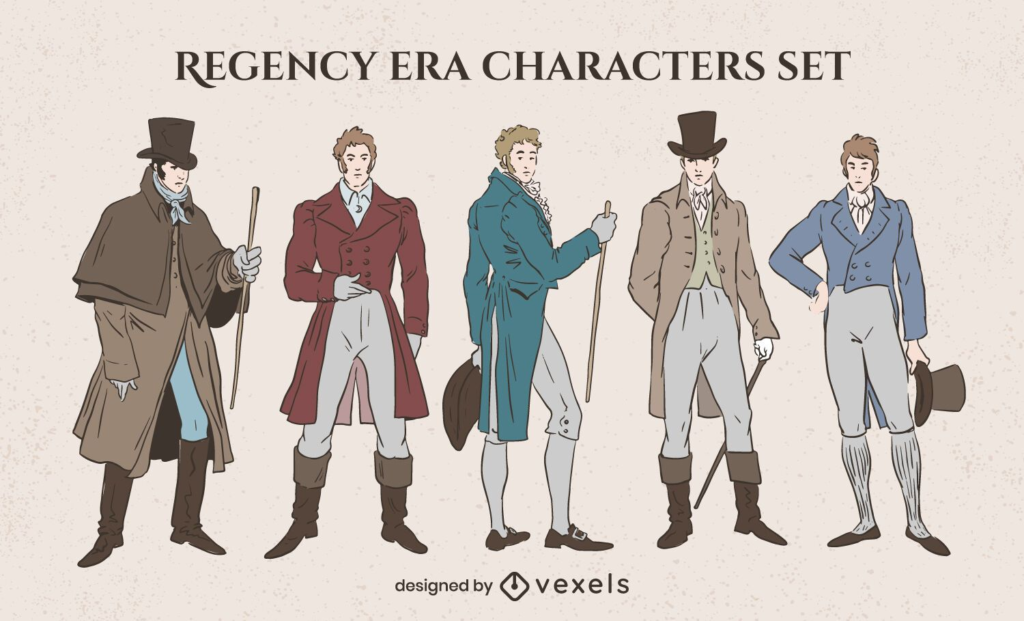
Accessories played a crucial role in both men’s and women’s attire, serving not only as adornments but as symbols of social standing. Women utilized shawls, gloves, and bonnets, while men complemented their ensembles with canes and pocket watches. The careful selection of accessories in Regency era fashion was indicative of one’s identity and societal status, reinforcing the importance of appearance and style in social settings. Overall, the key features of clothing from the Regency era encapsulated a blend of simplicity and opulence, showcasing the cultural and social dynamics of the time.
Influence of Regency Era Fashion on Modern Trends
The influence of Regency era fashion on contemporary attire is both subtle and pronounced, showcasing the enduring charm of this historical aesthetic. This specific period, spanning from 1811 to 1820 in Great Britain, is often identified by its emphasis on elegance, grace, and restrained glamour. As modern designers draw upon this rich historical source, elements such as high waistlines, light fabrics, and delicate ornamentation have re-emerged in various collections.
A notable resurgence of Regency inspiration can be seen in recent fashion trends. Designers frequently incorporate iconic features such as puffed sleeves and empire waist dresses, reminiscent of the attire worn by characters in the beloved literature and films from that era. These elements are not solely confined to high fashion; they permeate ready-to-wear collections, allowing broader audiences to embrace the Regency style. Film and television adaptations of Regency romance novels, including the acclaimed series and cinematic productions, have played a pivotal role in popularizing this fashion amidst contemporary viewers, thereby influencing consumer preferences.
Moreover, accessories such as gloves, bonnets, and jewelry are being reinterpreted in modern contexts, providing additional layers of sophistication to present-day outfits. Such adaptations highlight the versatility of Regency era fashion; they can seamlessly enhance both casual wear and formal ensembles. The revival of these historical designs signals a collective yearning for nostalgia and elegance, encapsulating the essence of an era defined by its artistic expression.
In conclusion, the impact of Regency era fashion on modern trends illustrates its enduring legacy. The melding of historical styles with contemporary sensibilities reflects a broader understanding of how the past continually shapes current and future fashions. As such, the motifs from this era remain relevant, inspiring a new generation of fashion enthusiasts and designers alike.
Iconic Figures and Fashion Icons of the Regency Era
The Regency era, spanning from 1811 to 1820, was a period characterized by significant cultural, artistic, and social changes. Among these changes was the evolution of fashion, marked by iconic figures who not only set trends but also shaped the very essence of Regency era fashion. Notable socialites such as Georgiana Cavendish, Duchess of Devonshire, and Emma Hamilton exemplified a style that combined elegance with theatricality. Known for her extravagant ensembles, Georgiana’s fashion choices often featured elaborate dresses with full skirts and corseted waists, capturing the attention of high society and influencing the fashion standards of her time.
Moreover, literary characters such as Elizabeth Bennet from Jane Austen’s “Pride and Prejudice” serve as fictional representations of the era’s aesthetic ideals. Elizabeth’s practical yet fashionable wardrobe reflects the dichotomy of elegance and simplicity inherent in Regency style. The portrayal of such characters in literature helped to disseminate what was considered fashionable and desirable, solidifying the connection between literature and the sartorial trends of the time.
The influence of these figures extends beyond their own time, resonating with contemporary fashion enthusiasts and designers today. Modern interpretations of Regency era fashion can be seen in recent collections featuring high waistlines, delicate fabrics, and intricate detailing that echo the past while appealing to current tastes. Fashion shows and historical dramas alike draw inspiration from these iconic figures, showcasing how the Regency aesthetic continues to inspire both casual attire and haute couture. By examining these influential individuals and their distinctive styles, we gain a deeper appreciation for the complexities of Regency era fashion and its enduring impact on modern style sensibilities.

