




Introduction to Reliance Refinery
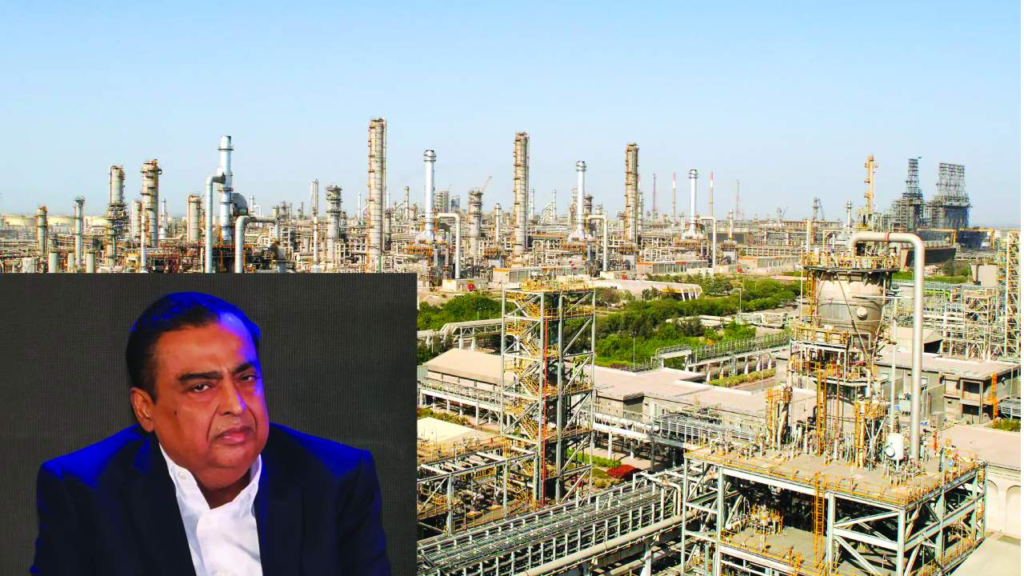
The Reliance Refinery, situated in Jamnagar, India, stands as a crucial asset within the global oil and gas sector. Operated by Reliance Industries Limited, the refinery has cemented its status as one of the largest in the world. With a staggering capacity of approximately 1.24 million barrels per day, it significantly contributes to both domestic and international fuel supplies. This extensive throughput enables the refinery to process a vast array of crude oil types, maximizing efficiency and output.
Established in 1999, the Reliance Refinery has played a transformative role in shaping the oil landscape in India. It not only serves as a critical source of refined products such as gasoline, diesel, and kerosene, but it further enhances the petrochemical sector by producing essential feedstocks. The strategic positioning of the refinery facilitates easy access to shipping routes, enhancing its operational capabilities in crude oil procurement and product distribution. This geographical advantage is complemented by state-of-the-art technology, which has made the Reliance Refinery a benchmark within the industry.
The importance of the Reliance Refinery extends beyond mere production statistics; it has also been pivotal in boosting India’s energy security. As one of the leading petroleum refiners, it helps meet the growing energy demands of the nation while exporting refined products to international markets. This aspect underscores Reliance Industries Limited’s commitment to enhancing the economy and providing energy solutions both locally and globally. In this context, the refinery not only exemplifies industrial prowess but also signifies the merger of innovation, infrastructure, and strategic foresight in the oil and gas domain.
Technological Innovations at Reliance Refinery
The Reliance Refinery is recognized for its continuous commitment to technological advancements, which play a vital role in enhancing its operational efficiency and sustainability. By integrating state-of-the-art technologies and innovative processes, the refinery has established itself as a leader in the global refining industry.
One of the key innovations at Reliance Refinery is the adoption of advanced process controls and automation systems. These systems optimize operational parameters in real-time, ensuring that the refining processes maintain high efficiency levels while reducing energy consumption. Moreover, the implementation of digital technologies allows for predictive maintenance, minimizing downtime and maximizing throughput.
Furthermore, Reliance has developed proprietary technologies, such as its advanced catalytic cracking process, which significantly improves the yield of valuable products from feedstock. This proprietary technology not only enhances the economic viability of refining operations but also contributes to reduced environmental impact by promoting the conversion of heavier crude oils into lighter, more valuable fuels. In addition, Reliance’s integration of renewable energy sources within its operations showcases its commitment to environmental sustainability.
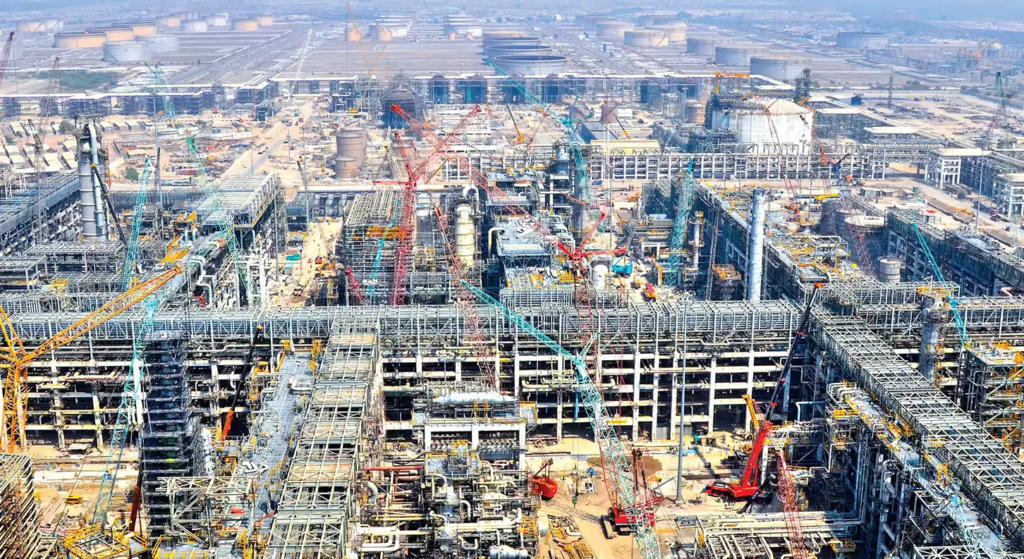
The refinery’s use of cutting-edge data analytics and artificial intelligence facilitates the optimization of logistics and supply chain processes. This ensures that raw materials and finished products are managed effectively, reducing both operational costs and carbon footprints. By continuously refining its technological capabilities, Reliance Refinery sets industry standards that align with the growing global mandate for sustainable practices.
In conclusion, the innovative technologies implemented at Reliance Refinery not only enhance the efficiency and cost-effectiveness of its operations but also underscore the company’s dedication to sustainability and environmental stewardship. With ongoing investments in research and development, Reliance is poised to remain at the forefront of advancements in the refining sector.
Economic Impact of Reliance Refinery
The Reliance Refinery plays a pivotal role in the economic landscape of both local and national arenas. One of the most significant contributions of the refinery is job creation. The facility directly employs thousands of personnel, ranging from skilled workers to engineers, which in turn stimulates local economies through employment. Additionally, the refinery generates numerous indirect jobs within the ancillary industries, such as transport, logistics, and maintenance services, thereby having a ripple effect on the region’s employment rate.
Moreover, the refinery contributes substantially to the gross domestic product (GDP) of the country. By processing a wide variety of crude oil and converting it into market-ready fuel products, the Reliance Refinery enhances the energy security of India. This enhancement, coupled with the refinery’s capacity, allows for substantial local and international sales, thus aiding in foreign exchange earnings. The reliability and efficiency of the refinery’s operations enable it to serve not just domestic markets but also export markets, further expanding its economic footprint.
In terms of the fuel supply chain, the Reliance Refinery plays a central role in maintaining fuel availability and affordability in the market. Its output significantly influences the pricing structure of fuel products, as the refinery’s ability to process various crude grades allows for flexibility in responding to market demands. Additionally, by providing a steady supply of fuels, it helps stabilize prices, which is essential for curbing inflationary pressures on consumers. Given the fluctuations in the global oil market, the operations of the Reliance Refinery can directly impact global fuel prices, showcasing its significance on an international scale.
Future Prospects and Challenges for Reliance Refinery
The future of the Reliance Refinery appears to be a blend of substantial growth opportunities and significant challenges. As the world’s demand for energy continues to evolve, the refinery is well-positioned to capitalize on trends towards cleaner fuels and sustainable practices. This aligns with the global push for green energy, allowing Reliance Refinery to explore investments in renewable energy sources and upgrade existing technologies. The refinery’s continued commitment to innovation and modernization will ensure it remains competitive while addressing environmental concerns.
One potential growth avenue lies in the adoption of advanced digital technologies. By integrating data analytics and IoT (Internet of Things) within refining operations, Reliance Refinery can enhance its efficiency, reduce operational costs, and improve safety standards. Furthermore, expanding its petrochemical capabilities could provide lucrative opportunities in high-demand sectors such as automotive and construction.
However, Reliance Refinery also faces numerous challenges that could hinder its growth trajectory. Regulatory pressures worldwide are tightening, with stringent environmental policies becoming the norm. Compliance with these regulations will be imperative, demanding significant investment in sustainable practices and technologies. The refinery must also navigate the complex landscape of geopolitical factors that can impact oil prices and refining margins.
Moreover, the rise of competition from both traditional and new energy players intensifies market dynamics. This competition not only stems from other large-scale refineries but also from emerging technologies that offer alternative solutions to fossil fuels. For Reliance Refinery to thrive in this evolving landscape, it will need to maintain a proactive stance, continuously reassessing its strategies to adapt to changing market conditions and consumer preferences.

