



Introduction
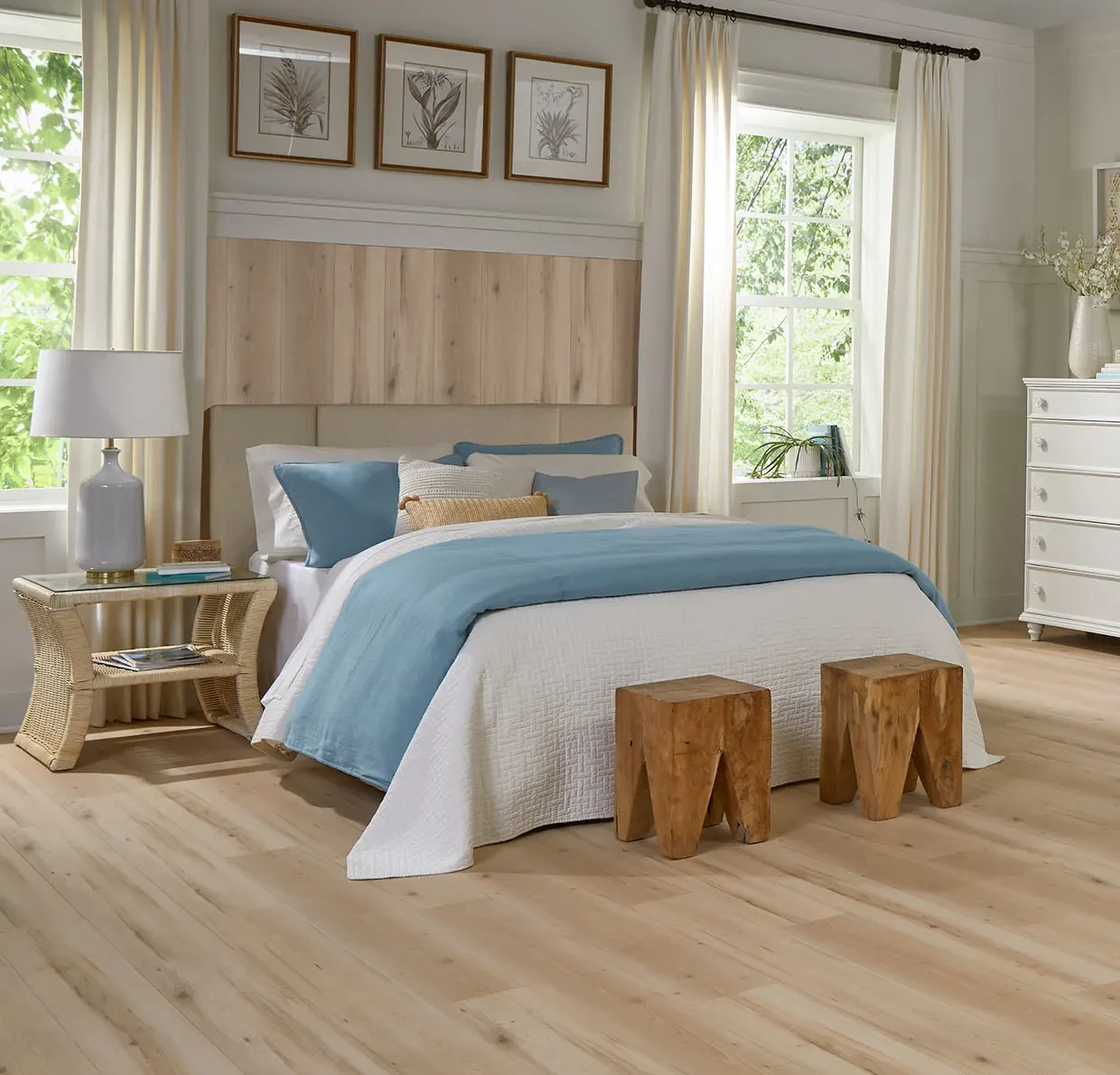
Wood flooring remains the gold standard for homeowners seeking warmth, character, and lasting value. Even with more flooring materials on the market than ever before, real wood continues to define timeless interiors, and 2026 is bringing fresh trends in tone, plank width, and finish that are reshaping how homeowners approach it.
This guide covers the main types of wood flooring, what they cost, and the design trends defining the year ahead.
Solid vs. Engineered Hardwood
Before choosing a wood species or finish, it helps to understand the two main categories of wood flooring construction.
Solid Hardwood
Solid hardwood is milled from a single, continuous piece of timber, typically around ¾-inch thick. It’s a traditional favorite known for its long lifespan and its ability to be sanded and refinished multiple times over the decades. However, it expands and contracts with humidity, so it’s generally not recommended for basements, bathrooms, or other moisture-prone areas.
Engineered Hardwood
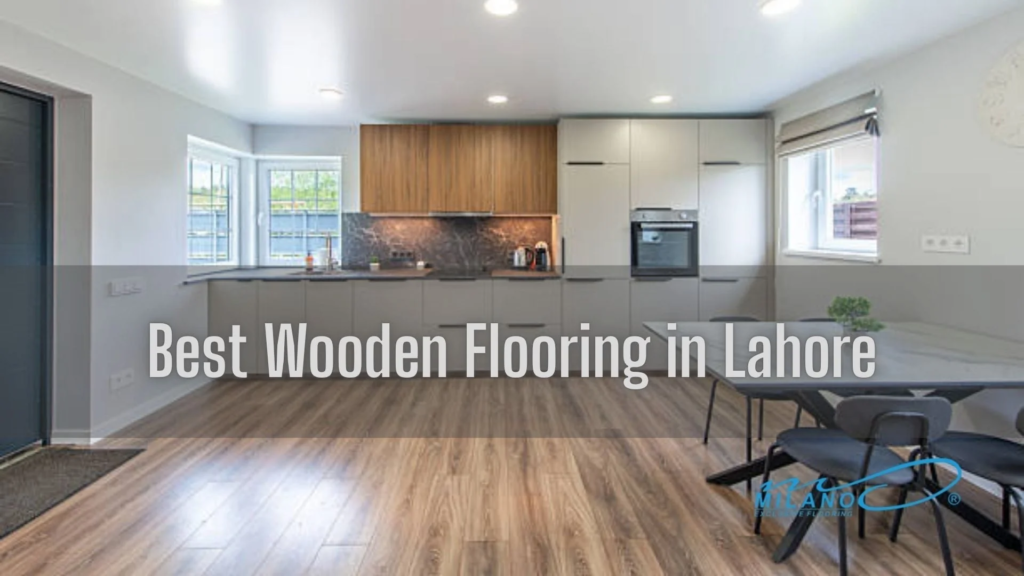
Engineered hardwood consists of a real wood veneer layered on top of plywood or fiberboard. This layered construction makes it more dimensionally stable than solid wood, allowing it to handle moisture-prone environments like kitchens and basements more effectively. It’s also generally more DIY-friendly, often installed using click-lock or glue-down systems.
Comparison Table
| Feature | Solid Hardwood | Engineered Hardwood |
|---|---|---|
| Construction | Single piece of solid wood | Wood veneer over plywood/fiberboard |
| Moisture Resistance | Lower; avoid damp areas | Higher; suitable for more rooms |
| Refinishing | Multiple times over its lifespan | Limited, depending on veneer thickness |
| Installation | Typically nailed or stapled | Often glue-down or click-lock |
| Best For | Living rooms, bedrooms | Basements, kitchens, radiant heat systems |
Popular Wood Flooring Species
White Oak
White oak remains one of the most requested species for 2026, prized for its neutral tones and tight, closed grain structure that works well across a wide range of interior styles.
Red Oak
Red oak offers solid performance and durability at a more accessible price point, making it one of the most widely available and budget-friendly domestic hardwoods.
Hickory
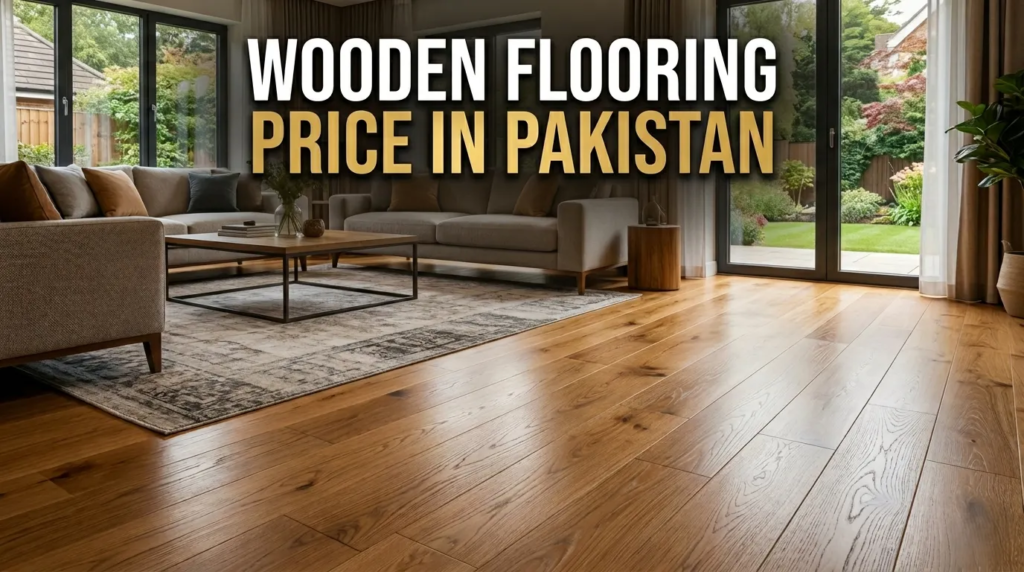
For homeowners prioritizing maximum durability, hickory is significantly harder than oak, scoring notably higher on the Janka hardness scale, which measures a wood’s resistance to denting and wear.
Maple
Maple offers a pale cream to soft golden hue that reflects light well, making rooms appear brighter and larger. It works especially well in minimalist and contemporary designs, though its dense composition requires professional installation expertise.
Species Comparison Table
| Species | Hardness (Relative) | Best For |
|---|---|---|
| White Oak | Medium-high | Neutral, versatile interiors |
| Red Oak | Medium | Budget-friendly, classic style |
| Hickory | Very high | High-traffic, durability-focused homes |
| Maple | Medium-high | Bright, minimalist, contemporary spaces |
How Much Does Wood Flooring Cost in 2026?
Wood flooring pricing depends on several factors, including species, plank width, installation method, and regional labor rates.
- Material costs generally range from $4 to $15 per square foot, depending on species and grade
- Installed costs typically range from $6 to $25 per square foot, factoring in labor and subfloor preparation
- High-quality, wide-plank domestic hardwood can run closer to $12.50 per square foot for materials alone, with total installed costs reaching $22 to $23.50 per square foot
- DIY installation using floating or clip-in systems can bring total costs down to roughly $4 to $12 per square foot
Hidden Costs to Watch For
Beyond the base material and labor costs, homeowners should budget for:
- Old floor removal, which can add significant cost depending on the existing flooring
- Subfloor preparation, especially important for older homes
- Material overage, typically 10% extra to account for cuts and waste
- Freight and delivery costs, which have increased in recent years
Together, these hidden costs can add 20% to 50% to a base quote, so it’s worth requesting a detailed estimate before committing to a project.
Cost Snapshot Table
| Cost Factor | Typical Range |
|---|---|
| Material Only | $4–$15 per sq ft |
| Installed (Professional) | $6–$25 per sq ft |
| DIY (Floating/Click-Lock) | $4–$12 per sq ft |
| Hidden Costs (Removal, Prep, Overage) | +20–50% of base quote |
Top Wood Flooring Trends for 2026
Warm Tones Are Back
After years of cool gray flooring dominating showrooms, 2026 has shifted firmly toward warm, honey-toned oaks, rich chestnuts, and soft amber hues. These warmer tones help spaces feel more grounded and inviting, and they also tend to hide dust and minor scratches better than cooler finishes.
Wide and Variable-Width Planks
Standard narrow planks are giving way to wider formats, with 7-inch to 10-inch planks becoming the top choice for high-end renovations. Some homeowners are even mixing multiple plank widths within the same room to create a more historic, custom-built aesthetic.
Matte and Textured Finishes
High-gloss finishes have fallen out of favor, replaced by matte and low-sheen coatings that give wood a more natural, “just sanded” look. Textural details like wire-brushing and hand-scraped edges are also trending, helping floors hide everyday wear while adding a tactile, dimensional quality underfoot.
Patterned Layouts
Herringbone and chevron patterns are making a comeback, this time at a larger scale using longer, wider planks. These oversized patterned layouts create a bold architectural statement, particularly in entryways, dining rooms, and primary suites.
Sustainability and Biophilic Design
Eco-conscious flooring choices, including reclaimed wood and sustainably sourced hardwood, have moved from a niche preference to a mainstream expectation. This aligns with a broader interest in biophilic design, which aims to create a stronger visual connection between indoor spaces and the natural world.
Trend Summary Table
| Trend | What It Looks Like |
|---|---|
| Warm Tones | Honey, caramel, and amber-toned oaks |
| Wide/Variable Planks | 7–10 inch planks, mixed widths in one room |
| Matte Finishes | Low-sheen, wire-brushed, hand-scraped textures |
| Patterned Layouts | Oversized herringbone and chevron designs |
| Sustainable Materials | Reclaimed wood, responsibly sourced hardwood |
Choosing the Right Wood Flooring for Your Home
When narrowing down your options, consider:
- Room function: High-moisture areas like kitchens and basements generally call for engineered hardwood
- Household lifestyle: Homes with pets or children may benefit from harder species like hickory and textured, low-sheen finishes that hide scratches
- Budget: Red oak and maple tend to offer strong value, while wide-plank domestic hardwood sits at the higher end of the price range
- Long-term plans: Solid hardwood offers more refinishing flexibility over time, which can be worth the investment for homeowners planning to stay long-term
Why Wood Flooring Remains the Gold Standard
Despite a growing number of flooring materials on the market, wood continues to hold its position for several reasons:
- Long-term value, with hardwood installations recovering a strong percentage of their cost at resale
- Refinishing flexibility, allowing solid hardwood floors to be restored rather than replaced
- Timeless design appeal, adapting well to both traditional and contemporary interiors
- A wide range of species, tones, and finishes, suiting nearly any budget or design vision
FAQs About Wood Flooring
1. What is the most popular wood flooring type in 2026? White oak remains highly requested for its neutral tones, while hickory appeals to those prioritizing maximum durability.
2. Is engineered hardwood as good as solid hardwood? Engineered hardwood offers better moisture resistance and is well-suited to kitchens and basements, though it generally has less refinishing flexibility than solid hardwood over its lifetime.
3. How much does it cost to install wood flooring? Installed wood flooring typically costs between $6 and $25 per square foot, depending on species, plank width, and labor costs in your area.
4. What wood flooring color is trending in 2026? Warm honey, caramel, and chestnut tones have replaced cool grays as the dominant trend, though softer blond and whitewashed tones remain popular as well.
5. Can I install wood flooring myself? Yes, many engineered hardwood products use DIY-friendly floating or click-lock systems, which can significantly reduce installation costs compared to professional nail-down installation.
Conclusion
Wood flooring continues to offer a rare combination of timeless style, long-term value, and genuine durability that few other materials can match. Whether you choose classic red oak, durable hickory, or a wide-plank white oak in one of 2026’s warm, honey-toned finishes, the right choice comes down to your budget, lifestyle, and how each room in your home will be used.
With so many species, finishes, and installation options available, investing in quality wood flooring remains one of the most reliable ways to add lasting beauty and value to your home.

